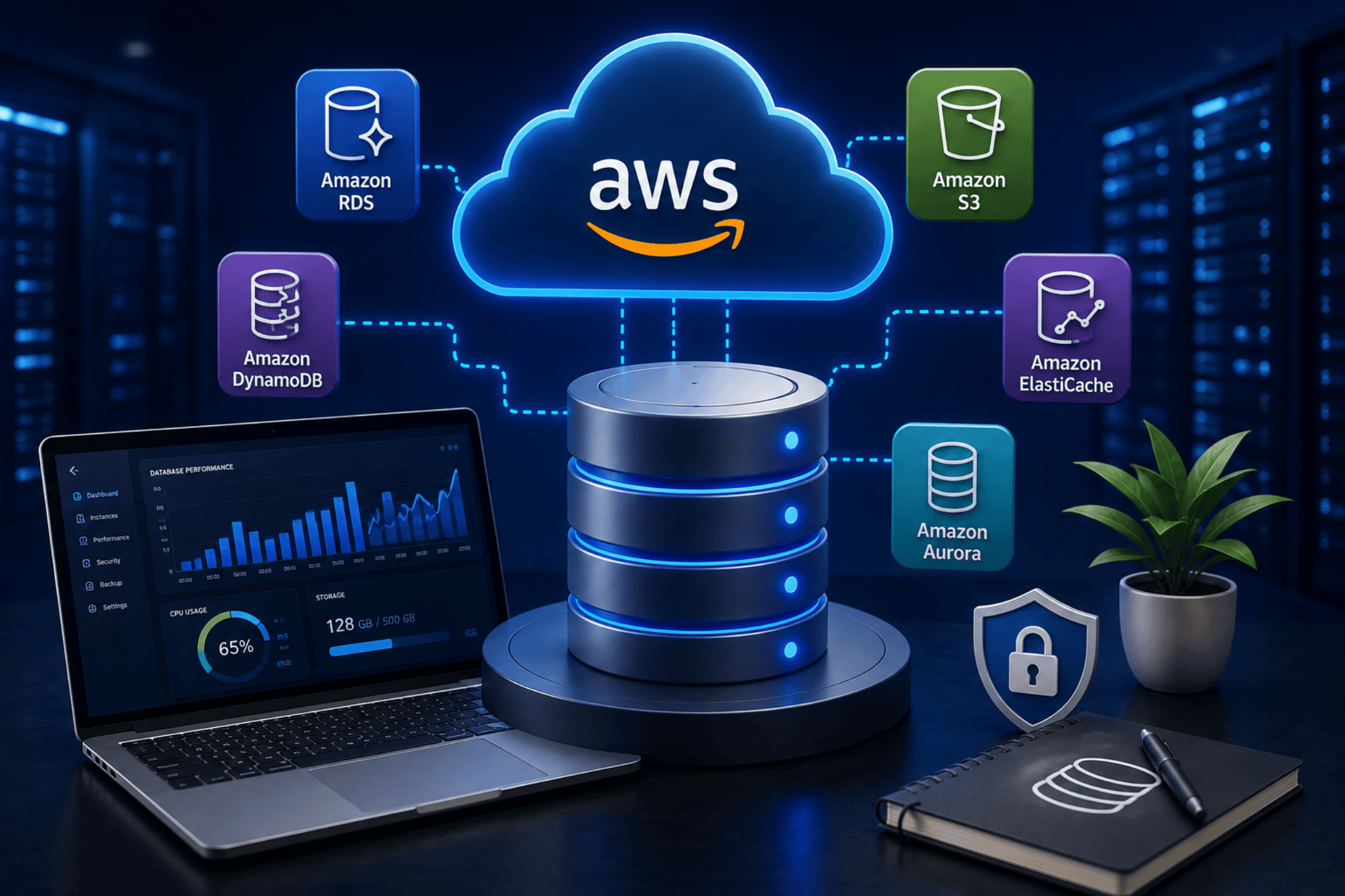

- 1. What is the Advanced Data Science course about?The Advanced Data Science course is an immersive training program designed for individuals looking to deepen their knowledge in the field of data science. The course focuses on advanced statistical methods, machine learning algorithms, data visualization techniques, and big data technologies. Students will not only learn the theoretical concepts but also engage in real-world projects, equipping them with the skills necessary to analyze complex data, build robust machine learning models, and effectively communicate insights.
- 2. Who should take this course?This course is ideal for professionals who already have a foundational understanding of data science and wish to enhance their skills further. It is especially beneficial for data scientists, analysts, and developers familiar with programming in Python or R, basic statistics, and machine learning techniques. The course is designed to expand your knowledge and enable you to apply advanced methodologies to solve complex problems across various industries.
- 3. Are there any prerequisites for this course?Yes, to make the most of this course, participants should have a good grasp of programming languages like Python or R, along with a basic understanding of probability theory, statistics, and foundational machine learning concepts. If you're already familiar with data analysis, data cleaning, and basic machine learning, you'll be well-prepared for the course.
- 4. What topics will I learn in the course?The course covers a wide range of advanced topics in data science. You'll explore advanced statistical techniques, including multivariate analysis and Bayesian methods, and get hands-on experience with machine learning algorithms, such as ensemble methods, deep learning (CNNs, RNNs), and reinforcement learning. You’ll also dive into Natural Language Processing (NLP), applying techniques like BERT and GPT for text generation and classification. Furthermore, you will work with big data tools like Hadoop and Spark, and learn how to handle large datasets efficiently. Data visualization tools like Plotly and Seaborn will be used to help you present your findings visually.
- 5. How is the course structured?The course is divided into two main segments. The first part focuses on building a strong foundation with topics like data preprocessing, exploratory data analysis (EDA), and introductory machine learning techniques. This prepares you for the more advanced content, which includes deep learning, NLP, big data analytics, and time series forecasting. The course culminates in a Capstone Project, where you will apply everything you’ve learned to solve a real-world problem, from model building to deployment.
- 6. What practical skills will I gain?By the end of this course, you’ll gain proficiency in handling large datasets and applying advanced algorithms to real-world problems. You'll develop expertise in model deployment, using cloud platforms to deploy your models in production environments. The course also focuses on data visualization and effective communication, helping you present complex findings in a manner that’s clear and actionable. With hands-on projects throughout the course, you’ll learn to tackle challenges such as data cleaning, feature engineering, model evaluation, and fine-tuning.
- 7. What are the tools and technologies I will learn?Throughout the course, you will use industry-standard tools and technologies including Python and R for programming, Scikit-learn, TensorFlow, and Keras for machine learning and deep learning. For big data analytics, you'll gain experience with Hadoop and Spark. In addition, the course will introduce you to visualization tools like Plotly, Seaborn, and Tableau for presenting your insights in a visually appealing way. You will also gain hands-on experience with tools for model deployment such as Docker and AWS.
- 8. How will this course help my career?The Advanced Data Science course will equip you with the cutting-edge skills needed to stand out in the competitive data science job market. You’ll be able to confidently apply advanced machine learning techniques, work with big data, and visualize insights in a way that is meaningful to both technical and non-technical stakeholders. The Capstone Project will give you the opportunity to showcase your skills, demonstrating your ability to take on complex data science challenges from start to finish. With these advanced competencies, you will be well-prepared for roles like data scientist, machine learning engineer, or big data analyst.
- 9. Will I receive a certificate after completing the course?Yes, upon successful completion of the Advanced Data Science course, you will receive a DreamsPlus Advanced Data Science Certification. This certificate will validate your expertise in advanced data science techniques and can significantly enhance your resume, demonstrating your proficiency to potential employers.
- 10. How can I enroll in the course?Enrollment is simple. You can visit our website at dreamsplus.in and fill out the registration form. For more information, you can also reach out to our support team via email at support@dreamsplus.in or call us directly at +91 95000 56713. We’ll be happy to assist you with the enrollment process or answer any further questions you may have. The Advanced Data Science course is a great opportunity to level up your skills and become an expert in one of the most sought-after fields today.
Data Science
Advanced Data Science certificate program
Enroll in an Advanced Data Science Course and Get Certified Course Description: This course focuses on the…
- 4
- 0

Enroll in an Advanced Data Science Course and Get Certified
Course Description:
This course focuses on the fundamental knowledge of data science, emphasizing advanced methods and approaches for deriving insights from data. The students will learn advanced statistical approaches, machine learning algorithms, and data visualization strategies. We will explore real-world applications and practical projects.
Prerequisites:
- Proficiency in programming languages such as R or Python
- Understanding probability theory and basic statistics is crucial.
- familiarity with machine learning concepts and techniques.
Course Objectives:
- Learn advanced statistical methods for analyzing data.
- Examine cutting-edge machine learning techniques and algorithms.
- Gain expertise in the interpretation and visualization of data.
- Use what you’ve learned through practical projects and case studies.
Foundation & Intermediate Syllabus:
- Data Collection and Acquisition:
- Understanding various data sources, such as databases, APIs, web scraping, etc.
- obtaining and gathering unprocessed data for analysis.
- Data Cleaning and Preprocessing:
- Addressing data irregularities, outliers, and missing numbers.
- Normalization and data transformation.
- Feature engineering: enhancing model performance by generating additional features from preexisting data.
- Exploratory Data Analysis (EDA):
- Data understanding tools include statistical summaries and data visualizations.
- Locating links, patterns, and trends in the data.
- Testing hypotheses to confirm presumptions.
- Statistical Analysis:
- Theory of probability and distributions.
- Inferential and Descriptive statistics.
- Testing of hypotheses and confidence intervals.
- Machine Learning Fundamentals:
- Regression and classification techniques under supervised learning.
- Techniques for grouping and dimensionality reduction in unsupervised learning.
- Model performance evaluation criteria, including accuracy, precision, recall, and F1-score, are used.
- Model selection and fine-tuning of hyperparameters.
- Advanced Machine Learning Techniques:
- Ensemble techniques: Gradient Boosting Machines (GBM), Random Forests, etc.
- Deep learning and neural networks: recurrent neural networks (RNNs), feedforward networks, convolutional neural networks (CNNs), etc.
- Reinforcement learning as well as other complex subjects.
- Data Visualization:
- presenting data insights through the creation of interesting and educational graphics.
- Tools and resources for visualization (e.g., Matplotlib, Seaborn, Plotly, Tableau).
- Big Data Technologies:
- Utilizing distributed computing frameworks (e.g., Hadoop, Spark) to work with large-scale datasets.
- Managing real-time analytics and streaming data.
- Model Deployment and Productionisation:
- Introducing machine learning models into operational settings.
- Tracking the performance of the model and updating it as necessary.
- Constructing dependable and scalable data pipelines.
- Ethical and Legal Considerations:
- Privacy, bias, and fairness in data science.
- Compliance with regulations (e.g., GDPR, CCPA).
- Ethical responsibilities of data scientists.
- Practical Applications and Projects:
- Using data science methods to solve practical issues.
- Completing data science projects from start to finish, including model deployment and data collecting.
- Communication and teamwork abilities while presenting and interpreting results.
Advanced Syllabus:
- Advanced Statistical Methods
- A multivariate analysis
- Analyzing time series
- Statistics using Bayesian methods
- Non-parametric techniques
- Advanced Machine Learning
- Methods of ensemble learning (Gradient Boosting, Random Forests)
- The basics of deep learning
- Convolutional Neural Networks (CNNs) are used to analyze image data.
- Neural networks with recurrent sequential data: RNNs
- Natural Language Processing (NLP)
- Text preprocessing methods
- Word embeddings (GloVe, Word2Vec)
- Classification and Text Generation with Recurrent Neural Networks
- Transformer models (BERT, GPT) for advanced NLP jobs
- Big Data Analytics
- Overview of frameworks for distributed computing (Hadoop, Spark)
- Using Spark to handle massive datasets
- Algorithms for distributed machine learning
- Time Series Forecasting
- ARIMA models
- Seasonal breakdown techniques
- Tool for prophecy forecasting
- Data Visualization and Interpretation
- Programs for advanced visualization (Plotly, Seaborn)
- Engaging visuals
- Data-driven storytelling
- Feature Engineering and Selection
- Managing missing data
- Normalization and scaling of features
- Techniques for reducing dimensionality (PCA, t-SNE)
- Model Evaluation and Hyperparameter Tuning
- Techniques for cross-validation
- Techniques for hyperparameter optimization (Random and Grid Search)
- Bias-variance balance
- Ethical Considerations in Data Science
- Machine learning model bias and fairness
- Data security and privacy
- Data scientists’ obligations in terms of ethics
- Capstone Project
- Practical data science project incorporating cutting-edge methods discovered throughout the training.
- A focus on critical thinking, problem-solving, and successful results communication.
FAQs For Advanced Data Science Bootcamp
What Will You Learn?
- Advanced Machine Learning
- Natural Language Processing (NLP)
- Big Data Analytics
- Time Series Forecasting
- Data Visualization and Interpretation
Course Curriculum
Course Objectives
-
Learn advanced statistical methods for analyzing data.
-
Examine cutting-edge machine learning techniques and algorithms.
-
Gain expertise in the interpretation and visualization of data.
-
Use what you’ve learned through practical projects and case studies.
Top Course