

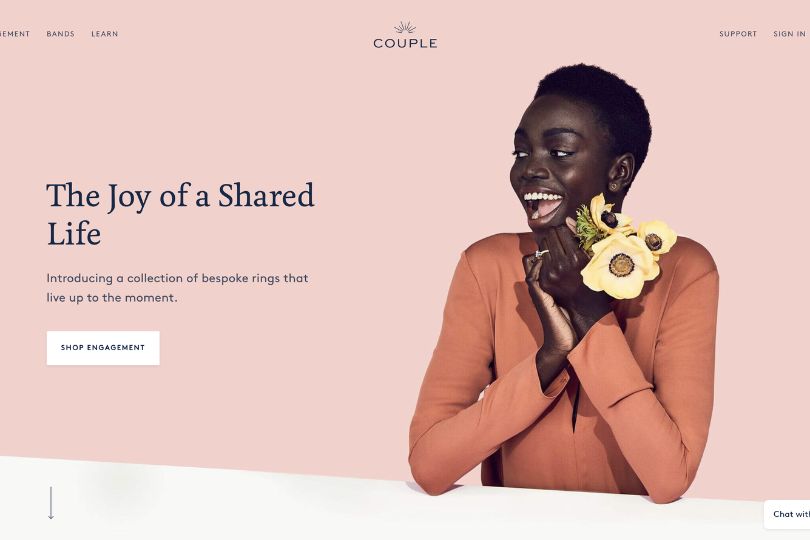
How to Create an Effective Landing Page That Converts
Creating a landing page that converts is an essential skill for marketers, business owners, and anyone trying to drive measurable results from their website traffic. A well-designed, optimized landing page can significantly improve conversion rates, whether your goal is to capture leads, increase sales, or encourage users to take a specific action.
In this guide, we will walk through the best practices for building a landing page that not only grabs attention but also encourages visitors to take the next step in their journey with your business.
What is a Landing Page?
A landing page is a standalone web page designed with a single focus or goal, known as a Call-to-Action (CTA). Unlike other pages on your website, which may have multiple objectives, a landing page typically centers around one specific action, such as signing up for a newsletter, downloading a free resource, or making a purchase.
Why is a Landing Page Important?
Landing pages are crucial for any digital marketing strategy because they:
- Increase Conversion Rates: A dedicated landing page makes it easier for visitors to focus on one goal, increasing the likelihood of a conversion.
- Target Specific Audiences: Landing pages allow you to tailor messaging to different customer segments, improving relevance and engagement.
- Measure Campaign Success: You can track specific KPIs (Key Performance Indicators) on landing pages, making it easier to assess the effectiveness of your marketing efforts.
1. Keep the Goal Clear and Focused
The primary goal of any landing page is to convert visitors. However, the first step to a successful conversion is to make sure your landing page’s goal is crystal clear. Every element of the page should support this goal.
How to Ensure Clarity:
- Single Focus: Don’t try to achieve multiple goals with one landing page. If you’re offering a free ebook, your page should focus only on getting people to download it. If your goal is to get sign-ups for a webinar, make that the page’s sole purpose.
- Clear, Simple Headline: The headline is one of the first things visitors will see, so make it clear and concise. Tell them what value they will gain from the page.
Example: “Get Your Free E-book Now!” instead of “Welcome to Our Website.”
Actionable Tip:
Avoid distractions such as unnecessary links or menu items on the landing page. The more focused the page is, the higher the chances of conversion.
2. Design for User Experience (UX)
A well-designed landing page ensures that visitors can easily navigate and interact with the page without any confusion. An intuitive user experience plays a significant role in driving conversions.
Key Elements of Good UX Design:
- Simple, Clean Layout: Your landing page should be free of clutter, with a well-organized layout that guides the visitor’s eye toward the CTA.
- Mobile Responsiveness: Many users will access your landing page on their smartphones, so make sure it is mobile-friendly. Use responsive design to ensure the page looks great on all devices.
- Fast Loading Speed: Slow loading times can result in high bounce rates. Compress images and streamline code to make sure your landing page loads quickly.
- Whitespace: Adequate spacing between sections and elements helps visitors focus on key content without feeling overwhelmed.
Actionable Tip:
Use tools like Google PageSpeed Insights or GTmetrix to test the speed of your landing page and make necessary optimizations.
3. Craft a Compelling Call-to-Action (CTA)
Your CTA is the core of your landing page. It’s the action you want visitors to take, whether it’s downloading a free resource, making a purchase, or signing up for a newsletter. To improve conversion rates, make sure your CTA stands out and is easy to understand.
How to Optimize Your CTA:
- Use Action-Oriented Language: Phrases like “Download Now,” “Get Started,” or “Claim Your Discount” create a sense of urgency.
- Make It Visible: Place the CTA above the fold (visible without scrolling) and ensure it’s in a prominent color that contrasts with the rest of the page.
- Keep It Simple: Don’t overwhelm visitors with multiple CTA options. Stick to one primary CTA that aligns with your landing page goal.
Actionable Tip:
A/B test different CTA variations (color, text, placement) to determine which one drives the highest conversion rate.
4. Leverage Social Proof
Visitors are more likely to trust your brand and take action if they see that others have had positive experiences with your product or service. Social proof, such as customer testimonials, case studies, or user reviews, can help build trust and credibility.
Types of Social Proof to Use:
- Customer Testimonials: Highlight feedback from satisfied customers, showing how your product or service solved a problem for them.
- Trust Badges: Display security and trust symbols (e.g., SSL certificates, payment processors) to reassure visitors that their data is safe.
- User Reviews: Show positive ratings or reviews to build credibility and encourage others to take the desired action.
Actionable Tip:
Incorporate authentic testimonials from customers that are directly relevant to the offer you’re promoting on the landing page. This will increase relatability and trust.
5. Optimize for SEO
While SEO may not be your primary focus for a landing page, optimizing it can help increase organic traffic. After all, the more people who see your landing page, the higher your chances of conversions.
SEO Best Practices:
- Keyword Optimization: Use primary and secondary keywords relevant to the page’s goal and content. Place them in the headline, body text, and meta description.
- Meta Tags: Craft an enticing meta description (150-160 characters) to improve click-through rates from search engine results pages (SERPs).
- Alt Text for Images: Add descriptive alt text to images on your landing page to improve accessibility and SEO.
Actionable Tip:
Use SEO tools like Yoast SEO (for WordPress) or SEMrush to check keyword optimization and suggest improvements for higher search rankings.
6. Use Visuals to Enhance Your Message
Images, videos, and infographics can greatly enhance your landing page, but only if they serve a purpose. Visual elements should support your message and guide visitors toward the CTA.
Best Practices for Using Visuals:
- High-Quality Images: Use professional, relevant images that reflect your brand and offer. Avoid stock images that feel generic.
- Explainer Videos: If your product or service is complex, an explainer video can break down the process and showcase its value in under two minutes.
- Infographics: Visualize key data or benefits to help visitors quickly grasp the value you’re offering.
Actionable Tip:
Test different visual elements (images, videos, infographics) and measure which one drives better engagement and conversions.
7. Keep the Form Short and Simple
If your landing page requires visitors to fill out a form, keep it as short as possible. The more fields you ask them to complete, the higher the chances of abandonment. Only ask for essential information.
Best Practices for Forms:
- Minimize Fields: Ask for just the information you need (e.g., name, email address).
- Use Progressive Profiling: For returning users, you can gather additional information gradually over time rather than all at once.
- Incentivize: Offer a reward (e.g., a discount, free trial) in exchange for completing the form.
Actionable Tip:
If you’re running a lead-generation campaign, A/B test long vs. short forms to determine the optimal length for your audience.
8. A/B Test for Continuous Improvement
Even with all the best practices in place, there’s always room for improvement. A/B testing allows you to compare different versions of your landing page to see what works best. Test everything from headlines to CTA placement to imagery.
What to A/B Test:
- Headline Variations: Test different headlines to see which one grabs the most attention.
- CTA Buttons: Experiment with different CTA copy and button designs.
- Form Length: Test the impact of short vs. long forms on conversion rates.
Actionable Tip:
Use A/B testing tools like Optimizely or Unbounce to run experiments on your landing pages and gather data to make informed decisions.
Conclusion: Focus on Simplicity, Clarity, and Optimization
Creating an effective landing page that converts is not about flashy designs or complex layouts—it’s about simplicity, clarity, and optimizing every element for maximum impact. By focusing on a clear goal, a compelling CTA, a smooth user experience, and continuous testing, you can significantly improve your conversion rates and achieve your marketing objectives.
Ready to create a landing page that converts? Start implementing these strategies today, and you’ll be on your way to driving more leads, sales, and successful outcomes.
Looking for more tips on digital marketing and landing page optimization? Subscribe to our newsletter and get actionable strategies straight to your inbox!