

Why Agile Developers Should Care About Customer Value
In Agile development, the goal is clear: deliver high-quality, customer-centric products in a flexible and efficient way. However, too often, developers get caught up in the intricacies of sprints, backlogs, and code quality, while losing sight of the bigger picture—the value they’re delivering to the customer.
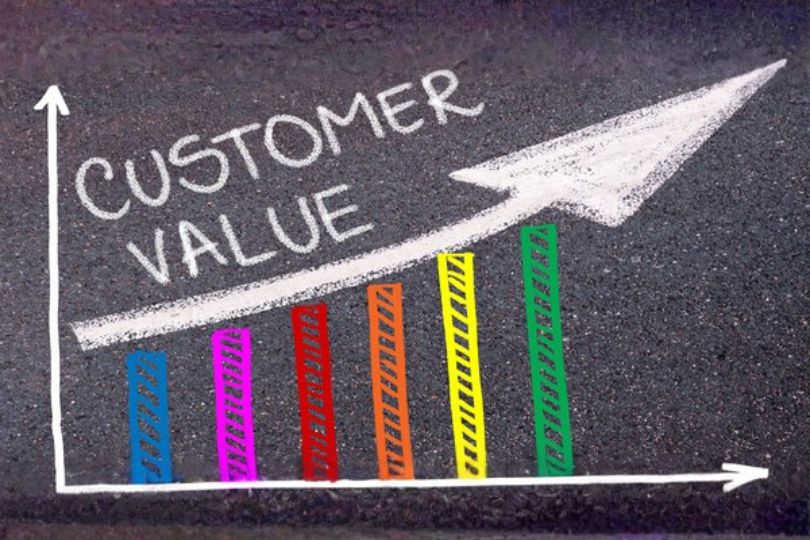
Customer value isn’t just a buzzword; it’s the core principle behind Agile. In this blog, we’ll explore why Agile developers should prioritize customer value, how it affects the development process, and actionable tips on how developers can ensure they’re delivering the most value to their customers.
1. What is Customer Value in Agile Development?
Customer value in Agile refers to the benefits that a customer gains from using a product or service. It’s not about what developers think is valuable, but what the end users deem important and useful. This can range from a functional feature that solves a problem to a seamless user experience that saves time.
1.1 Aligning Development with Customer Needs
In traditional development models, developers may focus on building features based on internal requirements or assumptions. Agile flips this by encouraging constant feedback loops from customers to ensure that each iteration of the product is genuinely aligned with user needs and expectations.
Benefits: Focusing on customer value leads to higher user satisfaction, reduced churn, and better retention rates.
Actionable Insight: Agile developers should engage with customers through user testing, surveys, and feedback during every sprint to ensure they’re meeting real user needs.
2. Why Agile Developers Should Care About Customer Value
2.1 Boosting Product Quality
Customer feedback loops in Agile development ensure that the product evolves with real user needs in mind, leading to a product that is both high-quality and relevant. When developers focus on customer value, they can prioritize bug fixes, feature improvements, and functionality based on real-world use rather than internal assumptions.
Actionable Insight: Developers should focus on delivering features that directly benefit the user and fix issues that impede user experience, rather than simply completing tasks on the backlog.
2.2 Improved Collaboration with Product Teams
When developers align with customer value, they foster stronger collaboration with product managers, designers, and marketing teams. This alignment helps everyone stay on the same page about priorities, goals, and the customer’s pain points.
Benefits: Enhanced communication ensures that the product features and development cycle align with user expectations and business goals.
Actionable Insight: Developers should regularly communicate with non-technical teams to understand how customer feedback influences the product roadmap.
2.3 Delivering Business Success
Ultimately, delivering value to customers drives business success. The more your product resonates with customers, the more likely it is to be adopted, used, and recommended. A product that genuinely solves customer problems leads to customer loyalty, word-of-mouth marketing, and long-term success for the business.
Actionable Insight: Developers should focus on creating features that improve the user’s life, even if they don’t seem like major technical feats. A small improvement can often have a significant impact on customer satisfaction.
3. How to Prioritize Customer Value in Agile Development
3.1 Use Customer Personas
Customer personas are a powerful tool for understanding the target audience. By creating detailed profiles of ideal customers—based on demographics, behavior patterns, goals, and challenges—developers can ensure that their work aligns with customer needs.
Actionable Insight: Developers should collaborate with product teams to create and refine customer personas. Refer to them often to stay focused on delivering features that address specific user pain points.
3.2 Incorporate Customer Feedback Continuously
Agile’s iterative nature makes it easy to incorporate feedback at every stage. Regular customer feedback through usability tests, beta releases, and post-launch surveys provides valuable insights into how your product can deliver more value.
Actionable Insight: Developers should be open to customer feedback and work closely with product owners to adjust the product based on this input, ensuring features stay relevant and impactful.
3.3 Focus on Minimum Viable Product (MVP)
Rather than over-engineering features, Agile developers should focus on delivering a Minimum Viable Product (MVP) first. This allows the team to release a basic version of the product, collect feedback, and improve it in subsequent iterations.
Benefits: Focusing on MVP reduces time-to-market and allows developers to test assumptions early, ensuring the product is genuinely valuable to customers.
Actionable Insight: Developers should collaborate with product teams to define an MVP, then focus on delivering essential features that solve customer problems while allowing room for future enhancements based on user feedback.
4. The Impact of Customer Value on Agile Metrics
4.1 Focusing on Value, Not Just Velocity
In Agile development, teams often focus on metrics like velocity—how many story points or tasks they can complete in a sprint. However, velocity alone does not reflect customer value. A feature that takes a week to build may have minimal impact, while a smaller change may significantly improve user experience.
Actionable Insight: Agile teams should consider customer value when defining sprint goals. For example, prioritize user-centric features over simple technical tasks that don’t directly improve the user experience.
4.2 Value Stream Mapping
Value stream mapping is a lean technique that helps teams visualize the flow of value from concept to delivery. This process helps identify bottlenecks, inefficiencies, and areas where customer value can be enhanced.
Actionable Insight: Developers can use value stream mapping to identify areas where value is being delayed and propose improvements to speed up the delivery of customer-focused features.
5. Customer Value in the Future of Agile
5.1 Personalization of Customer Experience
With advancements in AI and data analytics, Agile teams will increasingly have the tools to create more personalized experiences for users. The future of Agile will involve even more customer-centric development, with products continuously evolving based on real-time data about user behavior and preferences.
Actionable Insight: Developers should familiarize themselves with data analysis and AI tools to integrate personalization into Agile processes, enhancing the customer experience.
5.2 Continuous User-Centric Innovation
As Agile evolves, teams will continue to push for rapid, user-driven innovation. Developers will need to stay focused on creating solutions that are not only functional but also innovative in how they meet customer needs.
Actionable Insight: Developers should adopt a mindset of continuous improvement, always seeking innovative ways to add value to the user experience while adapting to changing customer expectations.
6. Conclusion: Putting Customer Value at the Heart of Agile Development
In Agile development, customer value is not just an afterthought—it should be the central focus of every decision, every sprint, and every feature. By prioritizing customer value, developers can ensure their work truly impacts the users, leads to business success, and creates long-lasting, meaningful products.
Developers should take actionable steps—such as focusing on customer personas, seeking regular feedback, and adopting value-driven metrics—to continuously improve and deliver value that resonates with real users.
Want to ensure that you’re delivering the best possible value to your customers in Agile development? Subscribe now for more insights on Agile practices and how you can make a bigger impact with your work.