

Understanding the Product Lifecycle: A Framework for Product Managers
Introduction
The product lifecycle is a critical concept for product managers. It provides a structured approach for managing a product from its initial idea to its eventual phase-out. Understanding the product lifecycle helps product managers make informed decisions, prioritize resources, and optimize strategies throughout the product’s journey.
In this blog, we’ll explore the stages of the product lifecycle, offering a practical framework to help product managers successfully navigate each phase and drive the product’s success.
What is the Product Lifecycle?
The product lifecycle refers to the series of stages a product goes through from its introduction to the market until it is discontinued. Understanding these stages allows product managers to anticipate challenges, make informed decisions, and drive product success.
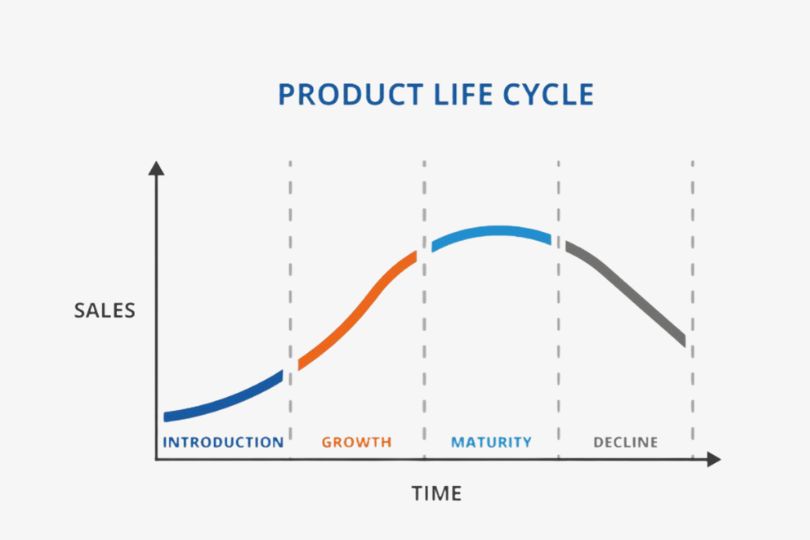
Typically, the product lifecycle consists of the following stages:
- Introduction: The product is launched.
- Growth: The product gains traction and begins to see rapid adoption.
- Maturity: The product has reached its peak, and growth slows down.
- Decline: The product begins to lose market interest and eventually faces obsolescence.
By understanding these phases, product managers can optimize their efforts, allocate resources effectively, and adjust strategies to align with the product’s current lifecycle stage.
The Stages of the Product Lifecycle
1. Introduction Phase
The introduction phase is where your product is first launched into the market. This stage is often characterized by high costs and low sales, as the product has yet to gain a significant following.
Key Activities:
- Market Research: Conduct thorough market research to understand your target audience, competitors, and potential demand for the product.
- Positioning and Branding: Define the product’s unique value proposition (UVP) and craft a messaging strategy that resonates with your target audience.
- Marketing and Promotion: Focus on building awareness. Use marketing tactics such as social media campaigns, influencer partnerships, and targeted ads to introduce your product.
- Feedback Collection: Engage early adopters and gather feedback to refine the product and identify any potential issues.
Tips for Success:
- Focus on educating customers about the product’s benefits and features.
- Be prepared for limited sales initially. Patience and consistent marketing are crucial.
- Ensure your customer support is prepared to handle early inquiries and issues.
2. Growth Phase
Once your product gains traction, it enters the growth phase. During this stage, sales increase significantly, and more customers begin to adopt your product. Competition might also increase as other players enter the market.
Key Activities:
- Scaling Marketing Efforts: At this stage, you need to ramp up your marketing campaigns to build brand awareness and differentiate your product from competitors.
- Product Improvements: Based on early feedback, consider improving your product. This could involve adding features, enhancing user experience, or fixing any issues that have surfaced.
- Optimizing Distribution Channels: Expand your distribution networks and sales channels. Look into partnerships, retail opportunities, and international expansion.
- Customer Retention: Focus on customer satisfaction to turn one-time buyers into loyal customers. Implement retention strategies like loyalty programs or customer success initiatives.
Tips for Success:
- Invest in customer support to maintain satisfaction as your customer base grows.
- Leverage data and analytics to monitor growth and identify trends.
- Keep an eye on emerging competitors and adapt your strategy to maintain a competitive edge.
3. Maturity Phase
The maturity phase is when your product has reached its peak in terms of sales and market penetration. Growth slows down, and the product becomes a well-established offering in the market. While competition is at its highest, it also becomes crucial to maintain market share.
Key Activities:
- Product Optimization: At this stage, it’s important to focus on refining and optimizing your product. Look for ways to improve performance, usability, or features that meet evolving customer needs.
- Differentiation: To avoid stagnation, continue differentiating your product through unique features, value propositions, and superior customer service.
- Cost Management: As the product becomes more standardized, focus on reducing costs. Streamline operations and production processes to maintain profitability.
- Market Segmentation: Revisit your target segments. Look for new opportunities in untapped markets or specific niches.
Tips for Success:
- Regularly engage with customers to ensure they remain satisfied with the product.
- Focus on building long-term customer relationships and loyalty.
- Analyze competitor strategies and adjust your offering to stay relevant.
4. Decline Phase
The decline phase occurs when your product starts to lose market interest. Sales decrease, customer demand wanes, and newer, more innovative products may have emerged to take its place. This phase doesn’t mean the end, but it requires strategic decisions on how to phase the product out or revamp it.
Key Activities:
- Evaluate the Product’s Future: Assess whether the product is still worth maintaining or if it’s time to discontinue it. Analyze factors like profitability, market relevance, and customer demand.
- Cost-Cutting Measures: If you choose to keep the product on the market for a while longer, focus on reducing production and operational costs to maintain profitability.
- Product Transition: Consider offering customers an alternative, whether it’s a new product or an upgrade. Ensure smooth transitions for customers who may be affected by the discontinuation.
Tips for Success:
- Be transparent with customers about the product’s phase-out process, offering support as they transition to new options.
- Use this phase as an opportunity to gather insights for your next product launch.
How to Manage the Product Lifecycle Effectively
1. Regular Product Audits
Conduct regular audits to assess the product’s performance at each lifecycle stage. This includes tracking sales, customer feedback, market trends, and competitor activity. These audits help you make data-driven decisions about the next steps.
2. Cross-Functional Collaboration
Product management requires collaboration across multiple teams—marketing, sales, design, and engineering. Keep communication open between these departments to ensure that everyone is aligned and working toward the same goals.
3. Customer-Centric Approach
Throughout the product lifecycle, maintain a focus on the customer. Gather feedback from your users at every stage and ensure that their needs and pain points are addressed.
4. Flexibility in Strategy
The product lifecycle is not a rigid, linear process. Market conditions, customer preferences, and competition can change rapidly. Be prepared to pivot or adjust your strategies as needed.
Conclusion
Understanding the product lifecycle is essential for every product manager. Each stage presents unique challenges and opportunities, and knowing how to navigate them can ensure the long-term success of your product. By focusing on market research, optimization, and strategic decision-making, product managers can lead their products from introduction to decline while maximizing value at each stage.
What stage of the product lifecycle is your product in right now? Share your thoughts or challenges in the comments, and let’s discuss strategies for success!