

The Importance of Emotional Intelligence in Product Management
Introduction
In product management, technical skills and strategic thinking are often viewed as the most critical competencies. However, one trait that significantly influences a product manager’s success is emotional intelligence (EI). Emotional intelligence is the ability to identify, understand, and manage your own emotions while also recognizing and influencing the emotions of others. In a role where collaboration, decision-making, and leadership are crucial, emotional intelligence plays an indispensable role.
This blog explores why emotional intelligence is vital for product managers and how you can harness it to improve your effectiveness and relationships within your team and with stakeholders.
What is Emotional Intelligence?
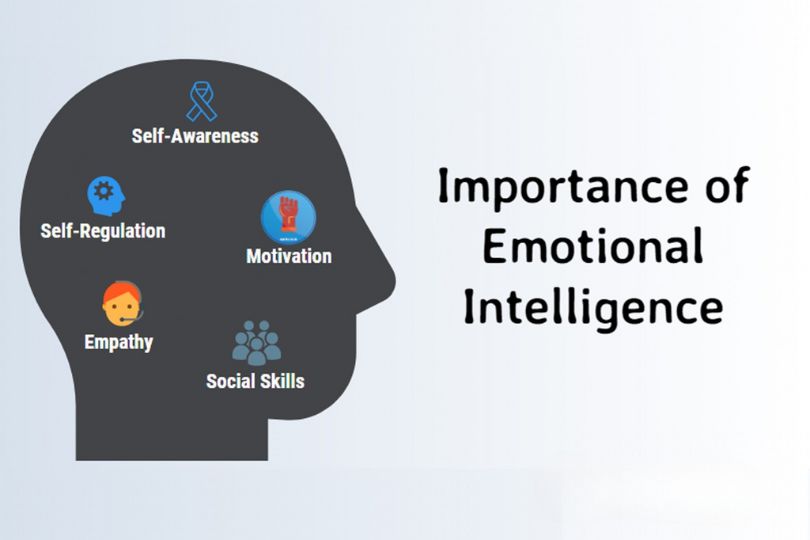
Emotional intelligence can be broken down into five key components, as defined by psychologist Daniel Goleman:
- Self-Awareness: Recognizing and understanding your emotions and how they impact your behavior and decisions.
- Self-Regulation: The ability to control or redirect disruptive emotions and impulses in difficult situations.
- Motivation: A drive to achieve beyond external rewards and a passion for work that leads to success.
- Empathy: The ability to understand the emotional needs of others, particularly during stressful or challenging situations.
- Social Skills: Proficiency in managing relationships and building networks to collaborate effectively with others.
Each of these components plays a significant role in how product managers lead their teams, make decisions, and interact with cross-functional stakeholders.
Why Emotional Intelligence is Essential for Product Managers
1. Building Strong Relationships
A product manager’s success often hinges on their ability to build and maintain strong relationships with cross-functional teams, customers, and other stakeholders. Emotional intelligence is key to understanding and managing the emotions of others, helping PMs navigate delicate situations, such as negotiating feature requests with stakeholders or resolving conflicts within the team.
How EI Helps PMs Build Strong Relationships:
- Empathy enables product managers to relate to the concerns of different teams and prioritize customer needs effectively.
- Social skills help in maintaining open and productive communication across departments.
- Self-regulation helps PMs stay calm and positive in stressful situations, promoting collaboration even under pressure.
2. Effective Leadership and Decision-Making
As a product manager, you’re often required to lead teams without direct authority, meaning you must influence others to execute your product vision. EI helps PMs motivate their teams, align people around shared goals, and resolve conflicts, all of which are essential for effective leadership.
How EI Impacts Leadership:
- Self-awareness allows you to recognize how your emotions affect your decision-making process and interactions.
- Empathy enables you to understand your team members’ perspectives and offer support when needed.
- Self-regulation helps you make clear-headed decisions, even in high-pressure situations, ensuring that you lead with composure.
3. Managing Stress and Pressure
Product management is a high-stakes, fast-paced job with plenty of room for stress and uncertainty. Whether dealing with tight deadlines, changing market demands, or conflicting stakeholder priorities, emotional intelligence can help you manage these pressures without compromising your decision-making abilities.
How EI Helps with Stress Management:
- Self-regulation allows you to manage your emotions, even in challenging situations, preventing them from negatively affecting your work or relationships.
- Motivation keeps you focused on long-term goals, helping you push through obstacles while maintaining a positive outlook.
- Social skills enable you to delegate effectively and lean on your team, reducing individual stress.
4. Enhancing Communication and Collaboration
Effective communication is at the heart of product management. Whether you’re discussing technical details with engineers or presenting product strategies to executives, emotional intelligence allows you to tailor your message appropriately to the audience and ensure that your communication fosters collaboration.
How EI Supports Effective Communication:
- Empathy helps you understand the emotions and perspectives of others, making your communication more relevant and persuasive.
- Social skills allow you to adapt your communication style to different personalities and cultures within your team.
- Self-regulation ensures that you communicate calmly and professionally, even in emotionally charged discussions.
5. Navigating Conflict and Negotiation
In product management, conflicts are inevitable, whether it’s disagreements over product features or timelines. Emotional intelligence helps PMs navigate these conflicts effectively by managing their emotions and understanding the emotional dynamics at play.
How EI Enhances Conflict Resolution:
- Empathy helps you understand where others are coming from, even if you disagree with their views.
- Social skills enable you to negotiate and mediate in a way that fosters cooperation rather than animosity.
- Self-regulation allows you to maintain objectivity during emotionally charged situations, helping to resolve conflicts without escalating tensions.
How to Develop Emotional Intelligence as a Product Manager
While some people may naturally possess higher emotional intelligence, the good news is that EI can be developed over time with practice and awareness. Here are a few tips for product managers who want to strengthen their emotional intelligence:
1. Practice Active Listening
One of the most effective ways to develop empathy is to practice active listening. Give your full attention to the speaker, make eye contact, and avoid interrupting. Show that you understand their perspective by reflecting back what you’ve heard.
2. Seek Feedback
Requesting feedback from colleagues, team members, and stakeholders is crucial for self-awareness. It helps you identify blind spots in your behavior or communication style. Be open to constructive criticism, and use it to grow and improve.
3. Focus on Stress-Relief Techniques
In high-pressure situations, practicing mindfulness, breathing exercises, or taking short breaks can help you maintain composure. Regular stress-relief techniques can help you regulate your emotions and maintain clear-headed decision-making.
4. Build Empathy through Perspective-Taking
Empathy can be improved by regularly putting yourself in others’ shoes. Try to understand how different stakeholders feel in various situations. This helps you better manage relationships and communicate more effectively with team members from different disciplines.
5. Improve Conflict Resolution Skills
Work on your ability to manage and resolve conflicts calmly and effectively. Focus on finding win-win solutions, listen to all parties involved, and try to reach a consensus that aligns with the overall product vision.
Conclusion
Emotional intelligence is not just a “nice-to-have” skill in product management; it is essential for driving collaboration, making sound decisions, and leading successful product teams. Whether it’s building relationships with cross-functional teams, managing stress, or navigating conflict, EI helps product managers create an environment where products can thrive.
By continuously working on self-awareness, empathy, and social skills, product managers can elevate their leadership effectiveness and ensure their products meet the needs of customers while fostering a positive and collaborative work culture.
How have you used emotional intelligence in your role as a product manager? Share your thoughts and experiences in the comments below!