

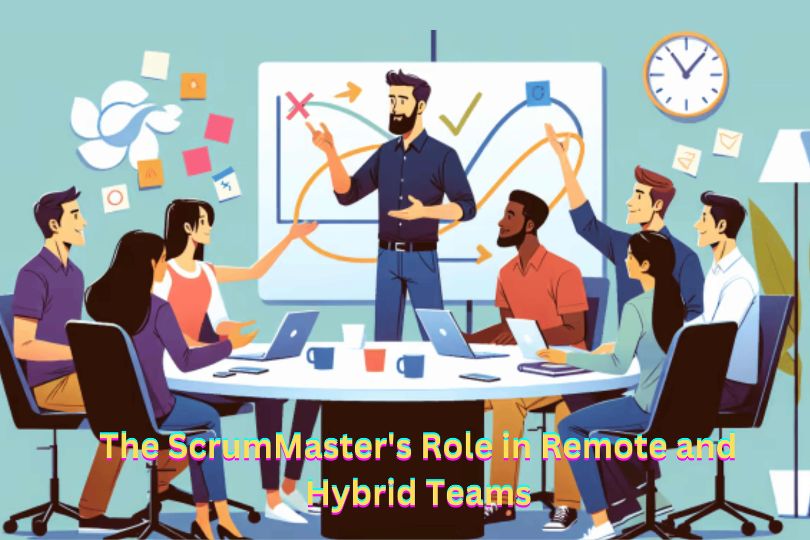
The Evolution of the Scrum Master Role in Hybrid Work Environments
Introduction: The Changing Landscape of Work
The world of work is rapidly changing. As businesses increasingly embrace hybrid work environments—where teams split their time between working remotely and in the office—the Scrum Master role is evolving too. In these mixed settings, the traditional practices of Scrum must adapt to meet the needs of teams that are no longer co-located but are instead spread across multiple locations and time zones.
The Scrum Master, once primarily seen as the in-person facilitator and Agile guide, now finds themselves balancing remote and on-site team dynamics, adjusting communication tools, and fostering collaboration in a digital-first world. This transformation presents both challenges and opportunities, making it more crucial than ever for Scrum Masters to understand how their role is shifting and how to thrive in this new environment.
1: The Impact of Hybrid Work on Scrum Practices
The hybrid model combines the best of both remote and in-office work, but it also brings unique challenges to the table. As Scrum Masters are tasked with ensuring that Agile principles are followed, they must learn how to address the evolving needs of their teams.
1: 1. Facilitating Remote and In-Person Scrum Ceremonies
In a hybrid setting, Scrum ceremonies such as daily stand-ups, sprint planning, and retrospectives are no longer purely face-to-face events. Scrum Masters must facilitate these ceremonies in a way that engages both remote and in-office team members equally.
Daily Stand-ups: Scrum Masters can use video conferencing tools like Zoom or Microsoft Teams to ensure that all team members, regardless of location, have the opportunity to speak and collaborate. It’s important to ensure that remote team members are not “mute” participants while in-office members dominate the conversation.
Sprint Planning: Sprint planning sessions in a hybrid environment require extra preparation. Scrum Masters can use virtual boards like Miro or Trello to visually represent the sprint backlog, making it easier for everyone to contribute, whether they’re in the office or working remotely.
Retrospectives: To ensure equal participation, Scrum Masters can use digital platforms that allow real-time input from all team members. For example, using an online retrospective tool like FunRetro ensures that everyone’s opinions are captured, fostering a collaborative atmosphere.
Actionable Tip: Scrum Masters can leverage collaboration tools like Slack, Zoom, or Jira to keep remote and hybrid teams engaged during Scrum ceremonies. It’s crucial to create an inclusive environment where both remote and in-person participants feel heard and involved.
1: 2. Enhancing Communication and Collaboration
One of the biggest challenges Scrum Masters face in hybrid work environments is ensuring clear, consistent communication between remote and in-office team members.
Clear Communication Channels: Scrum Masters need to set up channels where all team members can communicate openly, regardless of their location. This could mean organizing separate channels for project updates, blockers, and informal conversations.
Collaboration Tools: Platforms like Confluence for documentation, Slack for communication, and Jira for tracking tasks enable all team members to stay aligned and informed. Scrum Masters must champion the use of these tools and help guide teams on how to effectively use them.
Actionable Tip: To keep communication seamless, Scrum Masters should regularly check in on team members’ experiences with communication tools and identify opportunities for improvement.
2: Adapting Scrum Roles in Hybrid Teams
While the Scrum Master role itself has remained largely consistent in terms of responsibilities, the way Scrum Masters perform their duties in hybrid environments is changing. Here’s how they can evolve with the hybrid work model.
2: 1. Serving as a Bridge Between Teams
In hybrid environments, Scrum Masters must act as a bridge between the remote and in-person team members. They ensure that the needs of both groups are met and that everyone is working towards the same goals.
Cultural Sensitivity: Scrum Masters need to be aware of the different cultures, time zones, and working styles of their team members. Whether they’re dealing with remote team members across the globe or in-office colleagues, it’s important to foster a culture of inclusion and collaboration.
Conflict Resolution: Remote work can sometimes lead to misunderstandings, which Scrum Masters need to address quickly. Whether it’s a misunderstanding about a task or a team dynamic issue, the Scrum Master must facilitate open discussions to resolve conflicts and restore team harmony.
Actionable Tip: Regular check-ins with individual team members—both remote and in-person—can help Scrum Masters identify potential issues before they become larger problems.
2: 2. Championing Agile Principles and Mindset
The Scrum Master is responsible for ensuring that Agile principles are being followed, and this responsibility doesn’t change with the hybrid model. However, the way Agile practices are applied needs to be reexamined in a hybrid setting.
Maintaining Agile Values: Scrum Masters must ensure that values like transparency, inspection, and adaptation are still being upheld despite the geographical separation between team members.
Coaching the Team: In hybrid teams, Scrum Masters should focus more on coaching than on direct facilitation. This includes helping remote team members understand how to be effective in the hybrid environment, as well as coaching in-office members on how to support their remote colleagues.
Actionable Tip: Scrum Masters should frequently remind teams of the core Agile values, ensuring that these principles continue to drive the way the team works—whether remote or in-person.
3: Tools and Technologies for Hybrid Scrum Masters
To navigate the hybrid environment successfully, Scrum Masters need to leverage the right tools and technologies. Here’s a list of some of the most helpful tools available:
3: 1. Virtual Collaboration Platforms
- Miro: A visual collaboration tool perfect for brainstorming and creating shared whiteboards during sprint planning or retrospectives.
- Trello: A task management tool that allows teams to visualize their work with boards, lists, and cards, useful for tracking progress in a hybrid environment.
- Mural: A digital workspace for visual collaboration that supports brainstorming and planning sessions, similar to Miro.
3: 2. Communication Tools
- Slack: A powerful communication platform that allows teams to organize conversations by channels and ensures that remote team members stay connected with the rest of the team.
- Zoom/Teams: Video conferencing tools essential for facilitating stand-ups, sprint planning, and retrospectives.
3: 3. Project Management Tools
- Jira: A project management tool widely used in Agile environments to track sprint progress, user stories, and tasks.
- Monday.com: Another project management tool that supports team collaboration and task tracking in a hybrid work setup.
Actionable Tip: Scrum Masters should become well-versed in these tools and ensure their team is trained on how to use them effectively for communication, collaboration, and tracking progress.
4: Overcoming Challenges in Hybrid Scrum Teams
While hybrid work brings many advantages, it’s not without its challenges. Scrum Masters must be proactive in identifying and overcoming potential obstacles.
4: 1. Time Zone and Scheduling Issues
Managing teams spread across different time zones can lead to scheduling conflicts and delays in communication. Scrum Masters can address this by rotating meeting times to ensure fairness and using asynchronous communication for updates.
4: 2. Maintaining Team Morale and Engagement
Keeping teams engaged in a hybrid setting can be difficult. Scrum Masters can foster morale by regularly checking in with individuals, encouraging social interactions (even virtually), and recognizing team achievements.
Actionable Tip: Use virtual team-building activities and encourage open communication to create a sense of camaraderie and collaboration, regardless of location.
Conclusion: Thriving as a Scrum Master in a Hybrid World
The role of the Scrum Master in a hybrid work environment is both challenging and rewarding. By adapting traditional Scrum practices to fit the needs of remote and in-office team members, Scrum Masters can help their teams maintain productivity, collaboration, and a positive working environment.
As hybrid work becomes the new norm, the Scrum Master’s ability to foster communication, collaboration, and Agile principles will continue to evolve. With the right tools, mindset, and strategies, Scrum Masters can successfully lead their teams through the complexities of hybrid work and continue driving success in Agile projects.
Interested in mastering the Scrum Master role in a hybrid environment? Check out our resources and courses to get started today!