

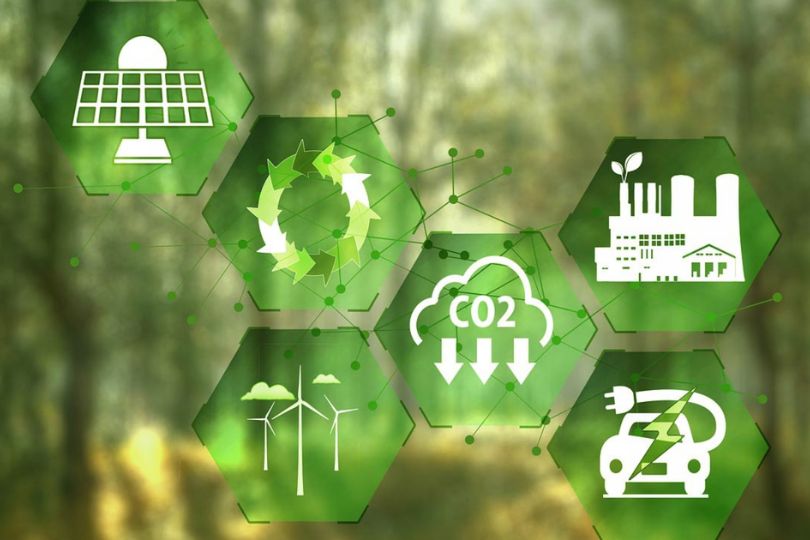
Sustainable Project Management: Integrating Green Practices
As the world becomes increasingly focused on sustainability, businesses and organizations must adapt to new environmental expectations. This shift extends to project management, where integrating green practices not only contributes to a healthier planet but also offers long-term benefits for the organization. Sustainable project management involves balancing the demands of completing projects successfully while minimizing environmental impact.
In this blog, we’ll explore actionable strategies for integrating green practices into project management processes and how you can contribute to sustainability through your projects.
1. The Importance of Sustainable Project Management
Environmental Impact and Responsibility
With climate change, resource depletion, and waste accumulation becoming more pressing issues, the demand for sustainable practices in all areas of business is on the rise. Project managers play a key role in driving change by incorporating eco-friendly strategies in every phase of the project lifecycle. Whether you’re working on a construction project, developing a new product, or implementing a service, sustainable project management ensures that you’re reducing environmental harm and fostering long-term sustainability.
Benefits of Sustainable Practices in Project Management
Integrating sustainability into your projects has numerous benefits:
- Cost Savings: Reducing energy usage, waste, and raw material consumption can lead to significant cost savings over time.
- Enhanced Reputation: Projects that emphasize sustainability can boost a company’s public image, attract eco-conscious customers, and enhance its brand reputation.
- Regulatory Compliance: Governments around the world are enforcing stricter environmental regulations. Sustainable project management helps ensure compliance with these laws and standards.
- Improved Efficiency: Sustainable practices often lead to better resource utilization, reducing waste and improving project timelines.
2. Key Principles of Sustainable Project Management
1. Resource Efficiency
Efficient use of resources is at the heart of sustainable project management. Resource efficiency means using fewer resources to accomplish project goals, which in turn reduces waste and energy consumption.
Actionable Tips:
- Use Energy-Efficient Technologies: Implement energy-saving equipment and technologies throughout the project lifecycle.
- Minimize Waste: Plan for waste reduction by recycling materials and optimizing the use of raw materials.
2. Sustainable Sourcing and Materials
Sustainable sourcing involves choosing suppliers and materials that align with environmental principles, such as renewable resources, locally sourced products, and materials that are biodegradable or recyclable.
Actionable Tips:
- Choose Sustainable Materials: Select products with a low environmental footprint, such as recycled or biodegradable materials.
- Evaluate Suppliers: Partner with suppliers who prioritize sustainability, ensuring that the products or services they provide are eco-friendly.
3. Eco-Friendly Project Design
The design phase of a project is crucial for integrating sustainable practices. By focusing on green design principles from the outset, you can reduce environmental impact and create a more sustainable final product or service.
Actionable Tips:
- Design for Energy Efficiency: Plan for buildings, products, or systems that minimize energy consumption.
- Optimize Space and Materials: Reduce the need for excess materials and optimize space to ensure efficient usage.
3. Steps to Integrating Green Practices in Project Management
1. Set Clear Sustainability Goals
One of the first steps in any sustainable project is defining clear sustainability objectives. These goals should align with the overall business strategy, be measurable, and incorporate both short- and long-term environmental targets.
Actionable Tips:
- Define Key Performance Indicators (KPIs): Measure the environmental impact of your projects with KPIs such as carbon footprint, waste reduction, and resource conservation.
- Involve Stakeholders: Ensure that your sustainability goals are supported by all key stakeholders, including clients, team members, and suppliers.
2. Plan for Sustainability from the Start
Incorporating green practices should be part of the project’s overall planning and strategy. Sustainability must be considered during every stage of the project lifecycle—from inception to completion.
Actionable Tips:
- Conduct a Sustainability Assessment: At the start of each project, evaluate potential environmental impacts and identify areas for improvement.
- Develop a Green Project Plan: Integrate environmental considerations into the project scope, timeline, and budget.
3. Implement Green Procurement Processes
Green procurement involves sourcing environmentally friendly products and services that minimize ecological impact. This process should focus on purchasing products that are energy-efficient, have a long lifecycle, and come from sustainable sources.
Actionable Tips:
- Create Green Procurement Guidelines: Set up a procurement policy that prioritizes sustainability when choosing materials, products, or services.
- Negotiate with Suppliers: Work with suppliers to identify eco-friendly alternatives and secure better pricing for sustainable materials.
4. Engage and Educate the Project Team
Successful integration of sustainable practices requires buy-in from the entire project team. Educating team members on the importance of sustainability and empowering them to contribute ideas can significantly improve project outcomes.
Actionable Tips:
- Conduct Workshops and Training: Host sustainability training sessions to ensure that everyone involved in the project understands their role in achieving environmental goals.
- Encourage Team Input: Solicit ideas from team members on how to make the project more sustainable.
4. Tools and Technologies for Sustainable Project Management
1. Project Management Software with Sustainability Features
Modern project management software can help project managers track sustainability goals and improve resource management. Many tools now include features that allow for carbon footprint tracking, waste management, and the integration of green metrics.
Actionable Tips:
- Use Tools like Monday.com or Asana: These platforms can help you track sustainable practices by assigning specific tasks related to eco-friendly goals.
- Integrate Sustainability Metrics: Incorporate sustainability KPIs into project dashboards for real-time tracking.
2. Green Certifications and Standards
There are various green certifications and standards that can guide project managers in their sustainability efforts. Examples include LEED (Leadership in Energy and Environmental Design) for buildings, ISO 14001 for environmental management, and Green Seal for products.
Actionable Tips:
- Pursue Green Certifications: Strive for recognized sustainability certifications that can enhance the credibility of your project and demonstrate a commitment to the environment.
- Comply with ISO Standards: Integrate ISO 14001 or similar environmental management systems to improve resource management and reduce environmental impact.
5. Challenges and Solutions in Sustainable Project Management
1. High Initial Costs
While sustainable practices can lead to long-term savings, they often come with higher upfront costs, such as purchasing eco-friendly materials or implementing energy-efficient systems.
Solution:
- Long-Term Savings: Focus on the long-term benefits, including reduced operational costs and increased efficiency, to justify the higher initial investment.
- Government Incentives: Explore available tax credits or government incentives for sustainable projects to offset some of the initial costs.
2. Balancing Sustainability and Project Deadlines
Project managers may struggle with balancing sustainability goals with tight project deadlines. Prioritizing green practices without delaying project completion requires careful planning and flexibility.
Solution:
- Set Realistic Timelines: Incorporate sustainable practices into project timelines without compromising on deadlines.
- Continuous Improvement: Start small and build on successful green initiatives, gradually integrating more sustainable practices over time.
Conclusion
Sustainable project management is not just a trend; it is an essential shift toward protecting the environment and creating long-term value for businesses. By integrating green practices into your projects—from efficient resource use to sustainable sourcing—you can significantly reduce environmental impact while achieving project goals.
Through clear planning, education, and the use of innovative tools and strategies, project managers can lead the way in making a positive difference for the environment while delivering successful projects.
Ready to take your project management to the next level? Start integrating green practices today and share this blog with your network to spread the word about sustainable project management.