

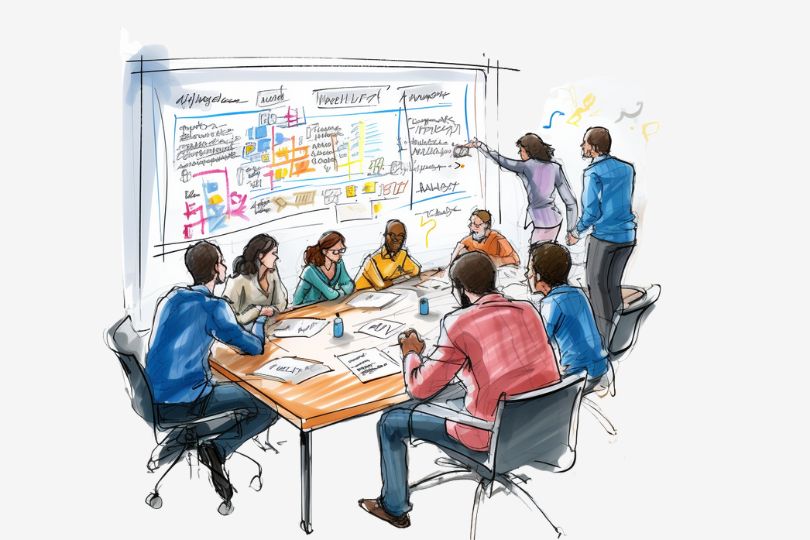
Mastering the Art of Stakeholder Collaboration as a Scrum Master
Introduction: The Crucial Role of Stakeholder Collaboration for Scrum Masters
As a Scrum Master, one of your key responsibilities is to facilitate collaboration—not just within your team but also with stakeholders. Stakeholder collaboration is vital for project success, as it ensures alignment, clarifies expectations, and drives progress. Effective communication and relationship management can significantly enhance the productivity of the Scrum team and the value delivered to stakeholders.
In this blog, we’ll explore the strategies, tools, and best practices to help Scrum Masters master the art of stakeholder collaboration. By honing these skills, you can elevate your team’s performance and deliver successful, impactful results.
1: Understanding Stakeholder Collaboration
Who are the Stakeholders?
Stakeholders are anyone who has an interest in the outcome of your project. They can include:
- Product Owners: The key decision-makers who define what needs to be built.
- Business Leaders: Individuals who represent the business side and have a vested interest in the product’s success.
- End Users: The ultimate consumers or users of the product.
- Team Members: Developers, designers, and testers who help create the product.
- External Partners or Vendors: Those who provide external services or products to complement the team’s work.
Stakeholder collaboration ensures that everyone is on the same page, from the vision and objectives to the specific needs of the users. As a Scrum Master, your role is to create an environment where these diverse groups can communicate, align, and collaborate seamlessly.
Hack #1: Set Clear Expectations
The Challenge
When stakeholders aren’t aligned, it can lead to miscommunication, confusion, and delays. This lack of alignment can negatively affect the Scrum team’s velocity and the quality of the product.
The Solution
Setting clear expectations from the outset is essential for successful collaboration. As a Scrum Master, you should:
- Clarify roles and responsibilities: Make sure all stakeholders understand their roles and how they contribute to the project’s success.
- Define the project goals: Ensure that the team and stakeholders have a shared understanding of the project’s vision and objectives.
- Communicate the Scrum framework: Educate stakeholders on how Scrum works, including ceremonies (e.g., sprints, stand-ups, retrospectives) and how they can engage.
Actionable Takeaway: Host an initial alignment session to set clear expectations and establish a foundation for transparent communication throughout the project.
Hack #2: Foster Open and Transparent Communication
The Challenge
Stakeholders often come from different departments, have different priorities, and communicate in varying ways. Miscommunication can lead to misunderstandings or even conflict, which hampers progress.
The Solution
Fostering an environment of open and transparent communication helps prevent misunderstandings. As a Scrum Master, you can:
- Be the bridge between the team and stakeholders: Communicate regularly to keep all parties informed of progress, changes, and challenges.
- Encourage regular feedback: Collect feedback from stakeholders frequently, not just during formal reviews, to ensure that you are always aligned with their needs.
- Promote active listening: Facilitate conversations where both stakeholders and team members listen to each other and work toward a common understanding.
Actionable Takeaway: Leverage communication tools (e.g., Slack, email, or project management software) to keep stakeholders updated, and schedule regular check-ins to solicit their feedback.
Hack #3: Build Strong Relationships and Trust
The Challenge
Effective collaboration requires trust. If stakeholders don’t trust the Scrum Master or the Scrum team, it can lead to micromanagement, resistance to change, and a lack of engagement. Building and maintaining trust is essential for smooth collaboration.
The Solution
As a Scrum Master, your role in building relationships and trust involves:
- Being approachable and reliable: Show stakeholders that you can be trusted to deliver results and resolve issues.
- Be transparent about challenges: Don’t hide problems or delays. Being honest and transparent builds credibility and shows that you’re actively working toward solutions.
- Facilitate win-win outcomes: Help stakeholders understand that the Scrum team is working toward delivering the best possible product for the organization, not just the team’s interests.
Actionable Takeaway: Establish rapport with stakeholders by engaging with them outside formal meetings and showing a genuine interest in their perspectives and concerns.
Hack #4: Engage Stakeholders in Sprint Reviews
The Challenge
Stakeholders often feel disconnected from the development process and may not fully understand the value or progress of the team. This disconnect can lead to dissatisfaction and misalignment with the project’s objectives.
The Solution
Involve stakeholders actively in the Scrum process, especially during sprint reviews:
- Invite stakeholders to sprint reviews: Use sprint reviews as an opportunity to showcase completed work and gather stakeholder feedback.
- Facilitate meaningful discussions: Encourage stakeholders to provide constructive feedback that helps the team make informed decisions moving forward.
- Use feedback to adjust priorities: Take stakeholders’ input into account when adjusting the product backlog or making decisions about future sprints.
Actionable Takeaway: Ensure that sprint reviews are not just a presentation, but a two-way dialogue that empowers stakeholders to contribute to shaping the product.
Hack #5: Manage Conflicting Priorities
The Challenge
Stakeholders often have different priorities, and conflicting needs can arise between business goals, user requirements, and technical constraints. These conflicts, if not managed properly, can derail the project.
The Solution
Manage conflicting priorities by:
- Facilitating compromise: Help stakeholders find common ground and make trade-offs where necessary. Be transparent about the consequences of prioritizing certain features over others.
- Use data to guide decisions: Present data or metrics (such as user feedback or market research) to support decisions, ensuring that stakeholders understand the reasoning behind prioritization.
- Escalate when needed: If conflicts become insurmountable, escalate the issue to leadership for resolution, while keeping communication lines open.
Actionable Takeaway: Actively mediate conflicts, using data and transparent discussions to guide decision-making and align stakeholders.
Hack #6: Educate Stakeholders on the Agile Process
The Challenge
Stakeholders, especially those new to Agile, may not fully understand the Scrum framework and its iterative nature. This lack of understanding can lead to unrealistic expectations or frustration when things don’t proceed according to a traditional waterfall model.
The Solution
As a Scrum Master, part of your job is to educate stakeholders on how Scrum works:
- Explain Agile principles: Help stakeholders understand the value of iterative development, regular feedback, and flexibility in responding to change.
- Share success stories: Use examples from previous projects or other teams to demonstrate how Agile practices have resulted in successful outcomes.
- Set realistic expectations: Help stakeholders adjust their expectations around delivery timelines, scope, and evolving requirements.
Actionable Takeaway: Host Agile training sessions or workshops for stakeholders to build their understanding and buy-in for the Scrum process.
Conclusion: Building Long-Term, Successful Stakeholder Collaboration
Mastering stakeholder collaboration is a vital skill for Scrum Masters. By setting clear expectations, fostering open communication, building trust, and engaging stakeholders throughout the Scrum process, you can ensure successful outcomes and strengthen relationships. A collaborative approach will not only benefit your Scrum team but also create long-lasting value for the organization.
Ready to improve your stakeholder collaboration? Subscribe for more Scrum tips, tools, and strategies to become an exceptional Scrum Master!