

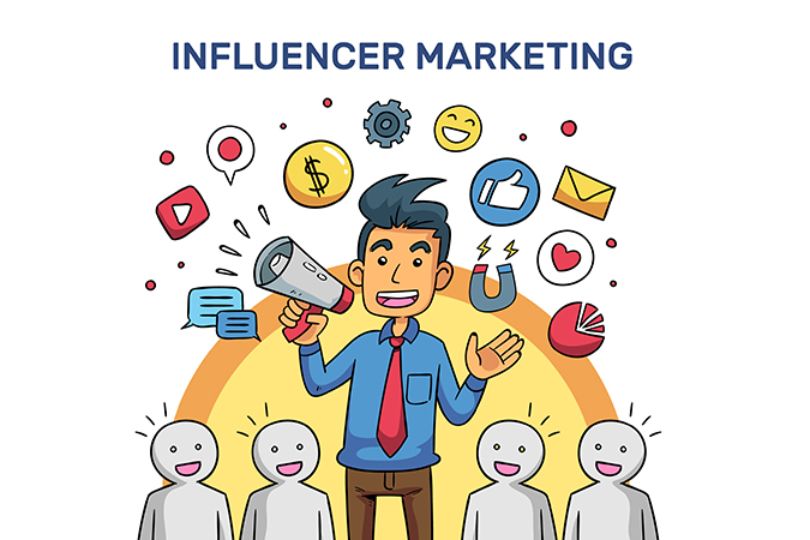
How to Leverage Influencer Marketing for Your Brand
Influencer marketing has become one of the most effective strategies for brands to reach their target audience in today’s digital-first world. By partnering with influencers who already have a strong online presence, businesses can tap into a highly engaged audience that trusts and values the influencer’s opinions.
But how do you leverage influencer marketing effectively for your brand? In this guide, we’ll break down actionable steps to create successful influencer marketing campaigns that boost brand awareness, drive traffic, and increase conversions.
Why Influencer Marketing is Essential for Your Brand
Before diving into the strategies, let’s understand why influencer marketing is so powerful:
- Trust and Credibility: Influencers have built trust with their followers. A recommendation from an influencer feels more authentic than a traditional advertisement.
- Targeted Reach: Influencers allow you to reach highly specific audience segments, which can increase the likelihood of conversions.
- Increased Engagement: Influencers create highly engaging content, making it more likely that their audience will interact with your brand.
With the right approach, influencer marketing can be a cost-effective way to grow your brand and build lasting relationships with consumers.
Steps to Leverage Influencer Marketing for Your Brand
1. Identify Your Goals
The first step in any marketing campaign is understanding your goals. What do you hope to achieve through influencer marketing?
- Brand Awareness: If you’re new to the market or launching a new product, influencer marketing can help you get the word out to a larger audience.
- Lead Generation: If your goal is to generate qualified leads, consider working with influencers who have an audience that aligns with your ideal customer profile.
- Sales and Conversions: Some influencer campaigns are more sales-driven, focusing on direct purchases or sign-ups.
Be sure to define your goals before reaching out to influencers. This clarity will help you choose the right influencers and measure the campaign’s success.
2. Define Your Target Audience
Knowing your audience is critical to any marketing strategy, and influencer marketing is no exception. To ensure your campaign is effective, you need to identify:
- Demographics: Age, gender, location, and other demographic details that define your target market.
- Psychographics: The interests, behaviors, values, and lifestyles of your ideal customers.
- Pain Points: Understand the challenges your audience faces and how your product or service can help solve those problems.
By identifying your target audience, you can choose influencers whose followers closely match these characteristics, ensuring that your message reaches the right people.
3. Choose the Right Influencers
Not all influencers are the same, and choosing the right one is critical to your campaign’s success. Here are some factors to consider when selecting influencers:
- Relevance: The influencer’s niche should align with your industry and the products or services you offer. For example, if you’re selling skincare products, you’ll want to partner with beauty or wellness influencers.
- Engagement Rate: Look beyond the number of followers and focus on the influencer’s engagement rate. A smaller, highly engaged audience is often more valuable than a larger, less engaged one.
- Authenticity: Choose influencers who have a genuine connection to your brand or product. Their endorsement will be more impactful if their followers believe they genuinely use and like your product.
- Platform: Select influencers based on where your audience spends their time. Instagram, TikTok, YouTube, and blogs all have different audience bases and content formats.
4. Decide on the Type of Influencer Partnership
There are various ways to collaborate with influencers, and the type of partnership you choose will depend on your goals, budget, and the influencer’s strengths. Here are a few common types of influencer partnerships:
- Sponsored Posts: You pay the influencer to create a post or video featuring your product or service. This can be on their social media, blog, or YouTube channel.
- Product Gifting: You send free products to influencers in exchange for a review or mention. This approach is more organic but requires that the influencer genuinely likes your product.
- Affiliate Marketing: You provide influencers with a unique discount code or affiliate link, and they earn a commission on the sales they generate. This works well if your goal is to drive conversions.
- Takeovers: An influencer “takes over” your brand’s social media for a day, sharing content with their audience and interacting with your followers. This can drive engagement and create a sense of connection with your brand.
- Collaborative Content: Co-create content with the influencer, such as co-hosted webinars, joint YouTube videos, or Instagram Lives. This type of partnership is ideal for deeper brand storytelling.
5. Set a Clear Budget and Expectations
Influencer marketing can be expensive, depending on the influencer’s reach and engagement. Before reaching out, set a clear budget to determine which influencers are within your price range.
Additionally, establish clear expectations for both parties. What are the deliverables? How many posts will the influencer create? Will there be any reporting or metrics tracking? Clear communication upfront ensures that both you and the influencer are on the same page.
6. Create Compelling Content
Once you’ve partnered with an influencer, it’s time to collaborate on creating content that resonates with their audience. Here are a few tips for ensuring that your content is effective:
- Allow Creative Freedom: Influencers know their audience best. Allow them to create content that feels authentic to their personal style, while still conveying your brand’s message.
- Make it Interactive: Encourage influencers to ask their audience questions or prompt them to engage with the content, such as tagging a friend or sharing the post.
- Showcase the Value: Make sure the influencer clearly communicates the benefits of your product or service and why their audience should care.
- Be Consistent: Ensure that the influencer’s messaging is consistent with your brand voice and values. The content should feel seamless, not forced.
7. Track Campaign Performance and ROI
Analytics are essential for measuring the success of your influencer marketing campaigns. Depending on your goals, here are some key metrics to track:
- Engagement Rate: How many likes, comments, shares, or other interactions the content receives.
- Click-Through Rate (CTR): If the influencer is using an affiliate link or a call-to-action, track how many people click on it.
- Conversions: Measure how many leads, sign-ups, or sales came from the campaign.
- Brand Mentions: Monitor social media platforms to see how often your brand is mentioned during or after the campaign.
With these metrics in hand, you can calculate your return on investment (ROI) and determine whether the campaign was a success. This data will also guide your future influencer marketing strategies.
Best Practices for Influencer Marketing
To maximize the effectiveness of your influencer partnerships, here are some best practices:
- Build Long-Term Relationships: Rather than focusing on one-off campaigns, work to build long-term relationships with influencers. This fosters trust and consistency in your messaging.
- Diversify Influencer Types: Don’t rely on just one influencer or type of influencer. Work with a mix of macro, micro, and nano influencers to reach different audience segments.
- Stay Authentic: Authenticity is key. Choose influencers who genuinely love your brand and share your values to avoid seeming like a “pay-to-play” endorsement.
- Comply with Regulations: Ensure that the influencer discloses any paid partnerships, as required by law. This builds trust with their audience and keeps your brand compliant.
Conclusion
Influencer marketing is an invaluable tool that can significantly enhance your brand’s visibility, credibility, and conversions. By selecting the right influencers, setting clear goals, and creating authentic content, you can build successful campaigns that resonate with your audience and drive real business results.
Ready to take your brand to the next level with influencer marketing? Start by identifying your ideal influencers and crafting a strategy that aligns with your brand’s goals!