

How to Handle Scope Creep as a Product Manager
Introduction
Scope creep is a common challenge for product managers, especially in dynamic, fast-paced environments where changes in requirements, priorities, and expectations happen regularly. While some degree of flexibility is necessary, unchecked scope creep can derail a project, causing delays, budget overruns, and even team burnout. As a product manager, it’s essential to identify scope creep early, manage it effectively, and steer projects back on track without sacrificing quality or stakeholder relationships.
In this blog, we will explore what scope creep is, how it impacts product management, and practical strategies to handle it efficiently.
What is Scope Creep?
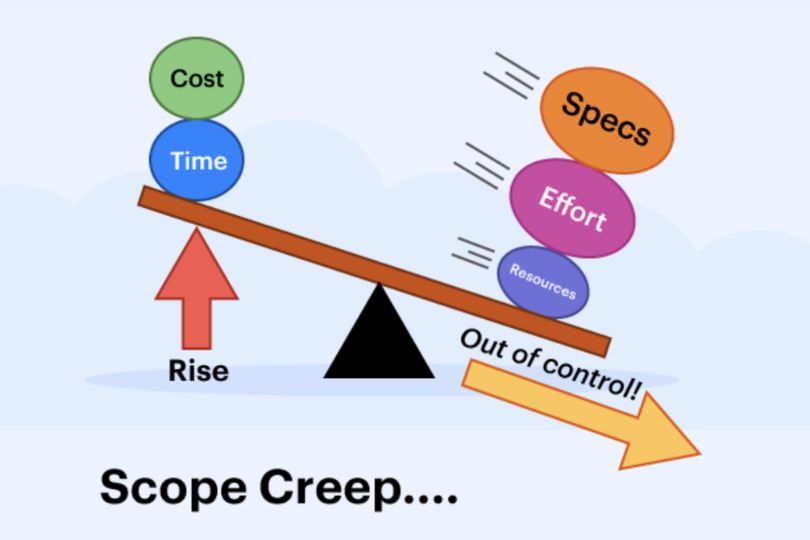
Scope creep refers to the gradual and uncontrolled expansion of a project’s goals, features, or deliverables beyond the initial scope. This often occurs when additional features or changes are introduced without proper approval or adequate assessment of the impact on time, budget, or resources. While some degree of flexibility is inevitable, scope creep can lead to project delays, budget overruns, and a compromised product if not managed effectively.
Why Scope Creep Happens
Understanding the reasons behind scope creep is the first step toward mitigating it. Scope creep often occurs due to:
- Lack of Clear Requirements: When the project goals and requirements aren’t defined clearly at the start, it’s easier for new ideas and features to be added as the project progresses.
- Changing Stakeholder Needs: As markets evolve and customer feedback comes in, stakeholders may request new features or changes that weren’t initially considered.
- Poor Communication: Miscommunication between the product team, stakeholders, and customers can lead to misunderstandings about project expectations and deliverables.
- Over-enthusiastic Stakeholders: Sometimes, stakeholders or customers may push for extra features without fully considering the impact on the overall project timeline and resources.
- Team Pressure: Development teams or other stakeholders may feel pressure to deliver more than what was originally planned, leading to scope expansion without proper analysis.
The Impact of Scope Creep on Product Management
Scope creep, if left unchecked, can have several negative consequences for product managers:
- Delayed Timelines: As new features or changes are introduced, the development timeline gets extended, leading to missed deadlines.
- Budget Overruns: More resources, including time, effort, and money, are required to accommodate additional features, which can result in exceeding the initial budget.
- Lower Product Quality: Rushed or poorly planned additions can compromise the quality of the product.
- Team Burnout: Constant changes and additions can overburden the product team, leading to frustration, burnout, and decreased morale.
- Unmet Customer Expectations: Trying to incorporate too many changes can make it difficult to meet customer expectations, leading to dissatisfaction.
How to Handle Scope Creep as a Product Manager
While it’s almost impossible to prevent scope creep completely, product managers can use several strategies to manage it effectively and minimize its impact. Here are some actionable steps to help you handle scope creep:
1. Define Clear Project Goals and Requirements
One of the most effective ways to prevent scope creep is to establish clear and detailed project goals and requirements from the beginning. Involve key stakeholders early in the process to ensure alignment on the product vision, scope, and deliverables.
Actionable Tips:
- Create a well-documented product roadmap with clear milestones and deadlines.
- Prioritize features based on their value to the customer and business objectives.
- Use detailed user stories or specifications to ensure everyone understands the scope of each feature.
2. Establish a Change Control Process
A formal change control process ensures that all changes to the project scope are thoroughly evaluated and approved before they’re implemented. This process helps prevent unauthorized changes and keeps everyone accountable.
Actionable Tips:
- Set up a process to evaluate proposed changes based on their impact on time, cost, and resources.
- Have stakeholders submit change requests in writing, including the rationale behind the request.
- Require a formal sign-off on changes before incorporating them into the project plan.
3. Prioritize Features and Focus on Minimum Viable Product (MVP)
Product managers should focus on delivering the MVP—the minimum set of features that provides value to users and aligns with business goals. By narrowing the scope to core functionalities, it becomes easier to avoid unnecessary additions.
Actionable Tips:
- Use a prioritization framework (e.g., MoSCoW method, RICE scoring) to evaluate the importance of features and functionalities.
- Keep the focus on delivering the MVP first and consider additional features for later releases or iterations.
4. Communicate with Stakeholders Regularly
Frequent communication with stakeholders is essential for managing expectations and ensuring that everyone is aligned on the project scope. Regular updates on progress, challenges, and risks help prevent misunderstandings that could lead to scope creep.
Actionable Tips:
- Hold regular check-in meetings with stakeholders to discuss progress, roadblocks, and any changes in requirements.
- Set expectations up front about how changes will be managed and communicated.
- Ensure transparency around trade-offs between time, cost, and features.
5. Set Realistic Timelines and Deadlines
A product manager must set realistic timelines for the project and communicate them clearly to all stakeholders. Underestimating the time required to implement new features or changes can lead to unnecessary pressure and scope expansion.
Actionable Tips:
- Work with development teams to set realistic timelines for each phase of the project.
- Factor in buffer time for unexpected issues or changes, and communicate these buffers to stakeholders.
- Avoid making promises you can’t keep—be honest about the impact of scope changes on the timeline.
6. Learn to Say No
As a product manager, you need to be comfortable saying “no” when necessary. Saying yes to every request can lead to unmanageable scope creep. Politely but firmly explain why certain features or changes are not feasible within the current project scope.
Actionable Tips:
- Use data and objective reasoning to explain why a requested change or feature won’t fit within the project scope.
- Offer alternative solutions or adjustments that might satisfy the stakeholder’s needs without adding to the scope.
- Set boundaries around what can be included in the current iteration and what will need to wait for future releases.
7. Monitor and Control Scope Throughout the Project
Managing scope creep is an ongoing process that requires monitoring and adjustments throughout the project lifecycle. Regularly track the project’s progress against the original scope and goals, and address any deviations promptly.
Actionable Tips:
- Use project management tools (e.g., Jira, Trello) to track the progress of tasks and monitor any changes.
- Regularly review the project scope with stakeholders and team members to ensure alignment.
- Address scope changes early, before they snowball into bigger problems.
Conclusion
Handling scope creep is one of the most challenging aspects of product management. However, with clear communication, realistic planning, and a structured approach to change management, product managers can prevent scope creep from derailing their projects. By setting clear goals, establishing a change control process, prioritizing features, and regularly communicating with stakeholders, you can maintain control over your project and deliver high-quality products on time and within budget.
How do you manage scope creep in your projects? Share your tips or challenges in the comments below!