

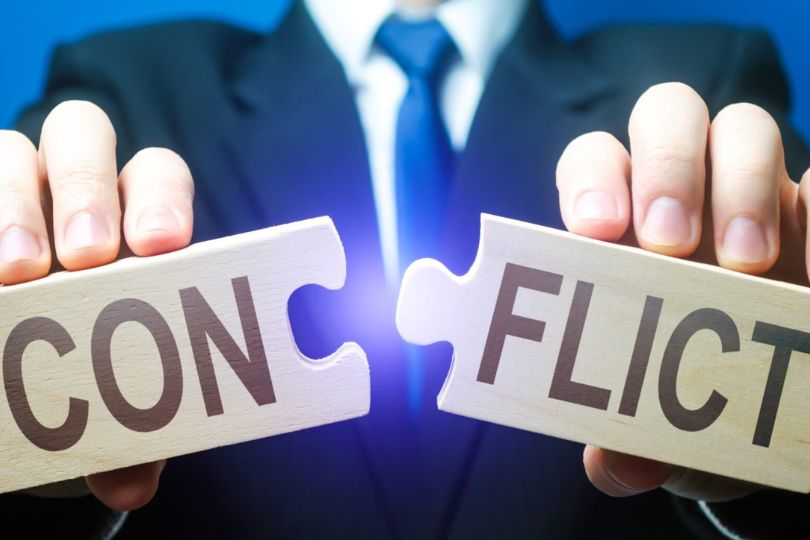
How to Handle Conflict Resolution in Project Teams
Conflict within project teams is inevitable. With diverse personalities, different perspectives, and varying priorities, disagreements can arise, potentially hindering project progress. However, when handled effectively, conflict can be a powerful tool for growth, leading to better decision-making, increased creativity, and stronger team dynamics.
This blog will provide actionable insights into managing and resolving conflicts within project teams, ensuring that conflicts do not derail progress but instead create opportunities for improvement.
1. Understanding Conflict in Project Teams
Before diving into conflict resolution strategies, it’s important to understand why conflict arises in project teams. Here are the common causes of conflict:
Common Causes of Conflict:
- Different Work Styles: Team members may have different approaches to work, leading to misunderstandings.
- Poor Communication: Lack of clear communication can result in confusion, missed expectations, and frustrations.
- Resource Scarcity: Limited resources can create competition or tension over who gets what.
- Clashing Goals: If team members have different priorities or understandings of the project’s objectives, conflict can arise.
- Personality Clashes: Sometimes, personality differences can cause friction, especially when individuals are working closely together.
2. The Impact of Conflict on Project Teams
When left unresolved, conflict can have several negative impacts on project teams, such as:
- Reduced Productivity: Team members may become distracted by ongoing issues, affecting their performance.
- Low Morale: Continuous conflict can lead to dissatisfaction, disengagement, and high turnover rates.
- Decreased Collaboration: When team members are at odds, it becomes harder to share ideas and work together efficiently.
- Project Delays: Disagreements can lead to delays as time is spent resolving issues instead of focusing on project tasks.
However, conflict, if managed well, can lead to:
- Improved Communication: Open discussions can foster clearer communication, leading to better understanding.
- Innovative Solutions: Different perspectives can drive creativity and lead to innovative solutions.
- Stronger Team Bonds: Successfully resolving conflict can strengthen relationships and enhance trust among team members.
3. Steps for Effective Conflict Resolution
The key to handling conflict in project teams lies in addressing the issue promptly, calmly, and constructively. Here are steps you can take to resolve conflicts effectively:
1. Acknowledge the Conflict
Ignoring conflict or pretending it doesn’t exist can lead to bigger issues down the road. The first step in conflict resolution is acknowledging that there is a problem.
Why Acknowledge It:
- Prevents the issue from escalating.
- Demonstrates to team members that their concerns are valid.
- Encourages open communication.
2. Identify the Root Cause
Conflict is often a symptom of a deeper issue. To resolve it effectively, you must understand what’s causing the disagreement.
Steps to Identify the Root Cause:
- Hold a meeting with the involved parties.
- Ask open-ended questions to understand their perspectives.
- Listen actively and empathetically to all sides.
3. Foster Open Communication
Effective communication is the backbone of conflict resolution. Encourage team members to express their concerns and feelings openly but respectfully.
Communication Tips:
- Use “I” statements (e.g., “I feel frustrated when…” instead of “You always…”).
- Practice active listening by repeating what the other person has said to ensure understanding.
- Avoid interrupting and let each person speak without judgment.
4. Encourage Collaboration
Instead of positioning individuals as opponents, foster a collaborative mindset where both parties work together to find a mutually beneficial solution.
Collaborative Techniques:
- Brainstorm possible solutions together.
- Identify common goals and emphasize shared objectives.
- Work toward a compromise or consensus that satisfies both sides.
5. Mediate if Necessary
As a project leader, it’s important to step in as a neutral mediator if the conflict escalates. Your role is to facilitate communication and guide the team toward a resolution.
How to Mediate:
- Set a neutral tone by staying calm and objective.
- Ensure everyone’s voice is heard, but prevent arguments from becoming personal or aggressive.
- Help the team members focus on the issue at hand, not on personalities.
6. Define Clear Solutions and Action Plans
Once a resolution is reached, define clear steps for how the issue will be addressed moving forward. This can prevent future conflicts and ensure that the resolution is effective.
Action Plan Guidelines:
- Clearly outline what will change or improve as a result of the resolution.
- Assign specific tasks or responsibilities to prevent misunderstandings.
- Set a timeline for implementing the changes.
7. Monitor and Follow Up
Conflict resolution doesn’t end once the discussion is over. Regular follow-up is crucial to ensure that the solution is working and that the issue doesn’t resurface.
Follow-Up Tips:
- Schedule check-ins with the team to assess the situation.
- Be open to further discussions if necessary.
- Ensure that the team remains aligned and any lingering issues are addressed promptly.
4. Conflict Resolution Styles
Understanding different conflict resolution styles can help you choose the best approach for your team. The five primary styles are:
1. Avoiding
In this style, individuals avoid engaging in the conflict. While this may seem like an easy way out, it can often lead to unresolved issues.
2. Accommodating
This style involves one person yielding to the other’s perspective. While it resolves conflict quickly, it may lead to resentment if the other party is always giving in.
3. Competing
A competitive style is more about “winning” the conflict, rather than finding a mutually beneficial solution. It’s useful in urgent situations but can create long-term issues.
4. Compromising
This style involves finding a middle ground. Both parties give something up to reach a solution that is acceptable to both.
5. Collaborating
Collaboration is the most effective style, where both parties work together to find a solution that satisfies everyone’s needs. This approach builds stronger relationships and addresses the root causes of conflict.
5. Tools and Techniques for Managing Conflict
Here are a few additional tools and techniques that can help prevent or resolve conflicts in project teams:
1. Conflict Resolution Training
Provide your team with conflict resolution training to ensure they have the skills to manage disagreements constructively.
2. Team Building Activities
Regular team-building exercises can help improve communication and trust, reducing the likelihood of conflicts.
3. Use of Technology
Collaboration tools like Slack, Microsoft Teams, and Trello can help facilitate communication and keep everyone on the same page, reducing misunderstandings.
4. Setting Clear Expectations
Having clearly defined roles, responsibilities, and project goals can prevent confusion and minimize conflict caused by misaligned expectations.
6. Conclusion
Conflict in project teams is natural, but how you handle it can significantly impact team dynamics and project success. By acknowledging the issue, fostering open communication, and using collaborative techniques, you can resolve conflicts in a way that benefits everyone involved. The result is a more cohesive, productive team that can tackle challenges head-on and work towards common goals.
Have you faced conflict within your project teams? Share your experience and let us know how you’ve handled it! If you’re interested in learning more about managing teams effectively, subscribe for more insightful articles and tips.