

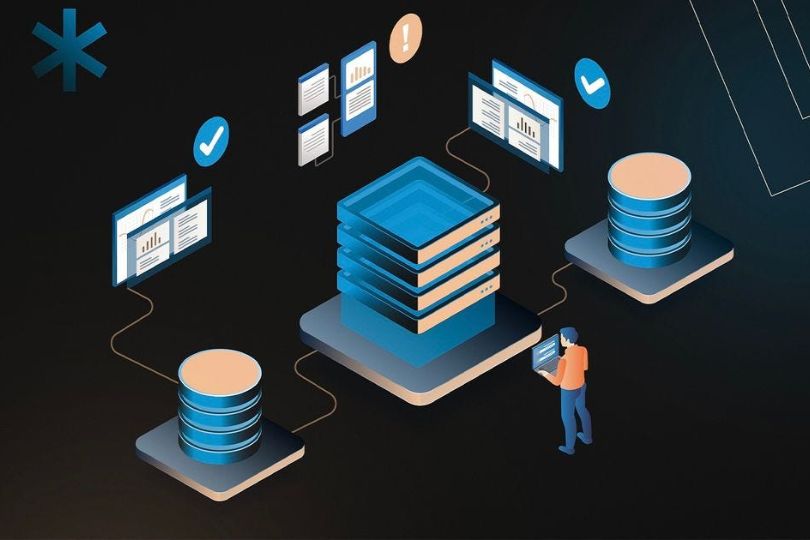
How to Architect a Scalable Application on AWS
Introduction
Building a scalable application is one of the main reasons companies migrate to the cloud. Amazon Web Services (AWS) provides a broad set of tools to ensure that applications can scale efficiently and cost-effectively. Whether you’re building a simple web app or a complex enterprise solution, AWS offers a suite of services that can support your application’s growth while keeping performance high and costs low.
In this guide, we’ll walk you through the key components and best practices to architect a scalable application on AWS. From designing an architecture that supports scalability to implementing the right services for load balancing, storage, and automation, you’ll gain practical insights to start building your own cloud-based solution.
What Is a Scalable Application?
Before we dive into AWS-specific solutions, let’s first define what scalability means in the context of application architecture. A scalable application is one that can efficiently handle an increasing load by adjusting resources without compromising performance.
There are two primary types of scalability:
- Vertical Scalability: Increasing the power (CPU, RAM, etc.) of a single server.
- Horizontal Scalability: Adding more servers to distribute the load, often referred to as “scaling out.”
AWS services are designed to support both vertical and horizontal scaling, with a strong emphasis on horizontal scalability, which is key to building highly available applications.
Step 1: Design for Elasticity
One of the main benefits of AWS is its ability to automatically scale based on demand. To design a scalable application, focus on services and features that offer elasticity.
Key AWS Services for Elasticity
- EC2 Auto Scaling: EC2 instances can automatically scale up or down based on predefined metrics like CPU usage or request count. This ensures that your application only uses the resources it needs, which also helps reduce costs.
- Elastic Load Balancer (ELB): ELB automatically distributes incoming traffic across multiple EC2 instances. It ensures that no single server becomes overwhelmed, preventing downtime during traffic spikes.
- Amazon S3 (Simple Storage Service): For static file storage (images, videos, backups), S3 is highly scalable. You don’t need to worry about manually adding capacity, as S3 grows with your data needs.
Step 2: Implement Stateless Architecture
Stateless applications are easier to scale. In a stateless architecture, every request is treated as independent, with no reliance on prior interactions. This makes it easier to distribute the load evenly across servers.
How to Achieve Statelessness on AWS
- Decouple Your Application: Use services like AWS Lambda, SQS (Simple Queue Service), or SNS (Simple Notification Service) to handle events asynchronously and reduce tight dependencies between components.
- Use Amazon RDS and DynamoDB: AWS offers fully managed databases that can scale to meet demand. Amazon RDS provides relational databases like MySQL and PostgreSQL, while DynamoDB offers a NoSQL solution that automatically scales based on the volume of requests.
- Store Session Data Externally: Use Amazon ElastiCache or DynamoDB to store session data instead of relying on local memory or disk on your servers. This ensures that the state is maintained regardless of which instance is handling the request.
Step 3: Use Distributed Systems and Microservices
To truly unlock the potential of AWS, consider adopting microservices architecture. Microservices are small, independent services that communicate over a network, allowing teams to scale, develop, and deploy parts of the application independently.
Key AWS Tools for Microservices
- Amazon ECS (Elastic Container Service) or EKS (Elastic Kubernetes Service): These services allow you to run containerized applications and manage microservices efficiently. You can quickly scale up or down based on demand.
- AWS Lambda: For even smaller, event-driven applications, AWS Lambda allows you to run code without provisioning or managing servers. It automatically scales based on incoming requests.
- Amazon API Gateway: API Gateway helps manage the communication between microservices. It also allows you to throttle API requests, ensuring that your microservices can handle spikes in traffic.
Step 4: Set Up Auto Scaling and Load Balancing
Auto scaling and load balancing are critical components to handling large amounts of traffic.
How to Set Up Auto Scaling on AWS
- Create Auto Scaling Groups: Auto Scaling Groups allow you to define the minimum and maximum number of EC2 instances you want running. The system will automatically add or remove instances based on metrics you define (like CPU utilization or network traffic).
- Use Elastic Load Balancing: Combine Auto Scaling with Elastic Load Balancing to distribute incoming traffic. ELB can balance the load between instances within a scaling group, ensuring high availability.
Best Practices for Load Balancing
- Use multiple Availability Zones (AZs) to ensure high availability. Deploy EC2 instances across at least two AZs.
- Monitor and adjust scaling policies based on your traffic patterns. For example, you may need to scale faster during peak traffic hours.
- Implement sticky sessions (when necessary) to ensure that a user’s session is always routed to the same instance.
Step 5: Implement Fault Tolerance and Disaster Recovery
A scalable application must also be fault-tolerant and able to recover from failures. AWS provides several services to implement fault tolerance and disaster recovery.
Key AWS Services for Fault Tolerance
- Amazon RDS Multi-AZ: RDS can automatically create a replica of your database in another AZ. In the event of a failure, RDS can switch to the backup database with minimal downtime.
- Amazon S3 and Glacier for Backup: Store backups in S3 for immediate access or Amazon Glacier for long-term storage. These services are designed to be highly durable and cost-efficient.
- AWS Route 53 for DNS Failover: Use Route 53 to route traffic to healthy endpoints in the event of a failure. If one server becomes unavailable, Route 53 can automatically redirect traffic to another instance or region.
Step 6: Optimize for Cost Efficiency
Scalability isn’t just about handling traffic—it’s also about doing so in a cost-effective manner. AWS provides several tools to help optimize costs while maintaining scalability.
Cost-Optimization Tips
- Choose the Right EC2 Instance Type: AWS offers different instance types optimized for compute, memory, and storage. Choose the one that aligns with your application’s needs to avoid overprovisioning.
- Use AWS Pricing Plans: Take advantage of AWS’s Reserved Instances or Savings Plans for long-term projects. These offer significant discounts compared to on-demand pricing.
- Auto Scaling to Match Demand: Use Auto Scaling to ensure you only pay for the resources you need. Setting scaling policies based on traffic ensures that you’re not over-provisioning during low-traffic periods.
Step 7: Monitoring and Continuous Improvement
As your application grows, monitoring its performance and usage is essential. AWS provides several monitoring and logging services to help you track and optimize the performance of your application.
Key Monitoring Tools
- Amazon CloudWatch: CloudWatch provides detailed metrics for your EC2 instances, databases, and other AWS services. You can set up alarms to be notified if any metrics cross thresholds.
- AWS X-Ray: Use X-Ray to trace requests and identify bottlenecks in your application’s performance, ensuring smooth scaling.
- AWS CloudTrail: CloudTrail logs all API requests made in your account, providing an audit trail for security and compliance purposes.
Conclusion
Building a scalable application on AWS is a multi-step process that involves designing for elasticity, implementing statelessness, adopting microservices, and ensuring high availability. By leveraging AWS’s powerful tools like EC2 Auto Scaling, Elastic Load Balancing, and managed databases, you can create an application that can grow with your business needs.
By following best practices, you’ll not only build a robust architecture but also optimize for cost efficiency and fault tolerance. As you continue to scale your application, make sure to monitor performance and continuously improve your infrastructure based on the feedback from AWS monitoring tools.
Ready to architect your first scalable application on AWS? Get started now by exploring our advanced AWS tutorials and stay ahead of the cloud computing curve!