

Automating Operations with Infrastructure as Code (IaC)
In the modern age of cloud computing, IT operations must keep pace with the fast-evolving needs of businesses. Infrastructure as Code (IaC) has emerged as a game-changing practice for automating the management and provisioning of IT infrastructure. By treating infrastructure configurations as code, organizations can achieve higher levels of consistency, speed, and scalability in their operations.
This blog will dive into the importance of IaC in automating operations, key tools and best practices, and how to successfully implement IaC in your organization to drive efficiency and reliability.
What is Infrastructure as Code (IaC)?
Definition and Key Concepts
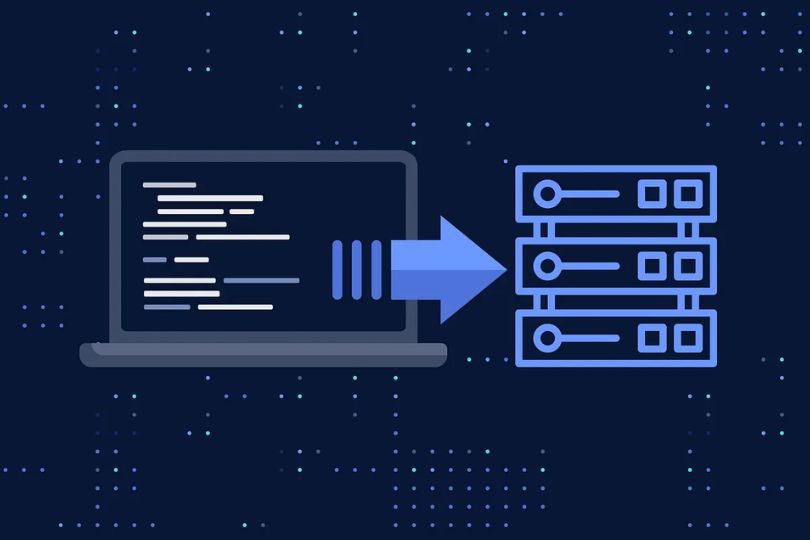
Infrastructure as Code (IaC) refers to the practice of managing and provisioning infrastructure through machine-readable definition files, rather than through physical hardware or manual processes. With IaC, infrastructure is defined in a version-controlled codebase, allowing it to be easily deployed, updated, and maintained.
The goal of IaC is to automate infrastructure management tasks such as provisioning servers, setting up networks, and configuring software environments, making the process repeatable, consistent, and less error-prone.
Benefits of IaC for Automation
- Consistency and Repeatability: IaC ensures that infrastructure setups are the same across different environments, reducing configuration drift.
- Speed: Automation with IaC speeds up the deployment of infrastructure, enabling faster product delivery.
- Cost-Effectiveness: By automating tasks, IaC minimizes human intervention, reduces errors, and optimizes resource utilization.
- Scalability: IaC allows easy scaling of infrastructure by automatically provisioning and de-provisioning resources.
How IaC Drives Automation in IT Operations
1. Provisioning and Deployment
One of the most significant use cases for IaC is in infrastructure provisioning and deployment. Through simple scripts or templates, IaC tools can automate the provisioning of cloud resources like virtual machines, storage, and networking. This eliminates the manual, time-consuming work involved in deploying environments.
Actionable Tip: Adopt Terraform or AWS CloudFormation for defining infrastructure using declarative code. With these tools, you can specify the desired state of your infrastructure and let the tool manage the creation, modification, and destruction of resources.
2. Consistency Across Environments
IaC helps ensure consistency across development, staging, and production environments. By codifying infrastructure configurations, teams can replicate environments with precision, ensuring no discrepancies between them.
Actionable Tip: Version control your infrastructure configurations with tools like Git. This allows you to track changes and roll back to previous versions when necessary, maintaining consistent environments across the pipeline.
3. Continuous Integration and Continuous Deployment (CI/CD)
IaC plays a vital role in automating the CI/CD pipeline. It integrates seamlessly with automation tools to continuously deploy infrastructure changes alongside application code changes.
Actionable Tip: Integrate Jenkins or GitLab CI with IaC to trigger automated deployments whenever code changes are made. This ensures that infrastructure updates are always in sync with software development.
4. Automated Configuration Management
Using IaC, you can automate the configuration of systems—installing software, setting configurations, and enforcing security policies—all without manual intervention.
Actionable Tip: Leverage tools like Ansible, Puppet, or Chef to automate configuration management tasks. These tools allow you to maintain the configuration of servers and other systems, ensuring they remain consistent and secure.
Popular IaC Tools for Automation
1. Terraform
Terraform is a widely adopted IaC tool for provisioning and managing infrastructure across multiple cloud providers, including AWS, Azure, and Google Cloud. Its declarative syntax and robust ecosystem of providers make it ideal for managing infrastructure in a cloud-native environment.
Key Features:
- Multi-cloud support
- Version control integration
- Change automation with a clear execution plan
- Modular configurations for reusability
2. AWS CloudFormation
AWS CloudFormation is a service specifically designed for automating the deployment of AWS resources. It allows users to define cloud resources as code, making it easier to manage complex AWS environments.
Key Features:
- Native integration with AWS services
- Infrastructure templates in YAML or JSON
- Automated rollback on failure
3. Ansible
Ansible is a powerful configuration management tool that automates software provisioning, configuration management, and application deployment. Unlike Terraform and CloudFormation, Ansible is procedural, meaning users specify how the system should be configured.
Key Features:
- Agentless (no need to install agents on target systems)
- Simple YAML syntax
- Seamless integration with existing infrastructure
4. Chef and Puppet
Both Chef and Puppet are popular IaC tools for configuration management. They allow users to automate repetitive infrastructure tasks and maintain system consistency.
Key Features:
- Chef: Focuses on automating infrastructure with code written in Ruby.
- Puppet: Uses declarative language to define system configurations.
Best Practices for Implementing IaC
1. Start with a Clear Infrastructure Blueprint
Before automating with IaC, define your infrastructure blueprint. Identify all the components you need to automate, such as virtual machines, databases, networks, and storage, and how they interact. Having a clear understanding will guide the implementation of IaC and prevent issues in the long run.
Actionable Tip: Use tools like Lucidchart or Draw.io to visualize your infrastructure architecture before starting with IaC implementation.
2. Version Control Your Infrastructure Code
Just like application code, IaC should be version-controlled. This allows for easier collaboration, better traceability, and the ability to roll back to a stable version if issues arise.
Actionable Tip: Set up a dedicated Git repository for your IaC scripts and infrastructure configuration files. Ensure your team follows a Git branching strategy for smooth collaboration.
3. Automate Testing and Validation
IaC code should be thoroughly tested before deployment. Implement unit tests, integration tests, and security scans to catch errors early in the process.
Actionable Tip: Use tools like Kitchen-Terraform to run integration tests for your Terraform code or Ansible Lint for Ansible playbooks.
4. Implement Continuous Monitoring
Once your infrastructure is automated, continuous monitoring becomes crucial. Use tools like Prometheus, Datadog, or CloudWatch to keep track of system health and performance.
Actionable Tip: Set up monitoring for key infrastructure components such as server uptime, storage usage, and network latency. Define alerts for any anomalies, ensuring that you can take corrective action before downtime occurs.
5. Ensure Security with Role-Based Access Control (RBAC)
IaC involves automating sensitive configurations, so security is paramount. Implement Role-Based Access Control (RBAC) to control who can modify and apply infrastructure configurations.
Actionable Tip: Use tools like AWS IAM or HashiCorp Vault to manage and enforce RBAC policies within your IaC workflows.
Overcoming Challenges in IaC Adoption
1. Complexity in Large-Scale Environments
As the size and complexity of your infrastructure grow, IaC configurations can become challenging to manage. Large-scale environments often require more advanced tooling, proper structuring, and effective collaboration across teams.
Solution: Use modular configurations to break down IaC code into reusable components. Tools like Terraform modules and Ansible roles can help organize and manage large infrastructures.
2. Integration with Legacy Systems
Many organizations still rely on legacy systems, which can be difficult to integrate with modern IaC tools.
Solution: Gradually migrate legacy infrastructure to IaC using hybrid approaches. Start by automating smaller, less critical components and scale from there.
Conclusion: The Future of IT Operations with IaC
Automating operations with Infrastructure as Code is no longer a trend but a necessity for modern IT environments. By adopting IaC, organizations can automate their infrastructure provisioning, improve system consistency, and accelerate time to market. However, it’s important to implement IaC with best practices and the right tools to avoid common pitfalls.
Are you ready to automate your operations with IaC? Subscribe now for more expert insights on automation best practices and tools to take your IT operations to the next level.