

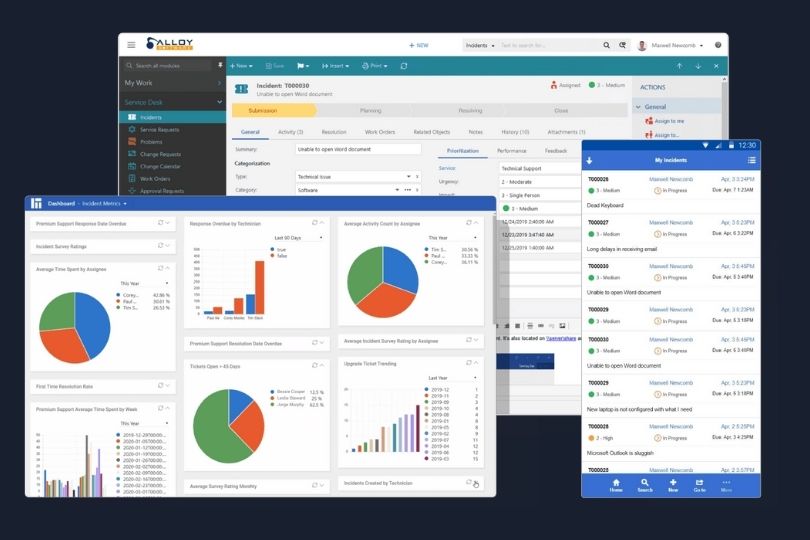
Incident Management Tools and Platforms: Streamlining Your IT Response
Incident management is a critical aspect of maintaining smooth operations in any organization, particularly in IT. The ability to quickly detect, respond to, and resolve incidents can have a direct impact on system availability, user satisfaction, and the bottom line. Effective incident management requires the right tools and platforms to support real-time communication, tracking, and resolution. In this blog, we’ll explore some of the best incident management tools and platforms that can help organizations streamline their response process, minimize downtime, and enhance their overall service reliability.
Why Incident Management Matters
Incident management refers to the process of identifying, analyzing, and resolving incidents (such as service outages, security breaches, or system failures) that disrupt normal operations. An incident management strategy helps organizations:
- Minimize downtime by quickly addressing service disruptions.
- Ensure business continuity through proactive monitoring and rapid issue resolution.
- Improve communication among stakeholders during incident response.
- Enhance user satisfaction by reducing the impact of incidents on customers.
Having the right incident management tools in place ensures that teams can collaborate effectively, manage incidents efficiently, and restore services promptly. With the right platform, teams can improve response times, track incident status, and continuously improve their processes.
Key Features of Effective Incident Management Tools
Before diving into specific tools, let’s first examine the essential features that an effective incident management tool should offer:
1. Incident Detection and Monitoring
Tools should integrate with monitoring systems to automatically detect incidents and notify the team as soon as they occur.
2. Incident Tracking
A centralized system for tracking the progress of incidents from detection to resolution ensures that no issues are overlooked and everything is documented.
3. Real-Time Communication
The ability to collaborate in real-time with incident response teams is essential for fast resolution. This can include chat, notifications, and alerts.
4. Root Cause Analysis
Tools should help teams investigate and identify the root cause of incidents, so they can take preventive measures to avoid future occurrences.
5. Reporting and Analytics
Comprehensive reporting tools help in analyzing incident trends, response times, and root causes. This data can be used to improve incident management processes over time.
6. Integration with Other IT Systems
To streamline workflows, incident management tools should integrate with other IT management platforms such as monitoring, configuration management, and service desks.
Top Incident Management Tools and Platforms
1. PagerDuty
PagerDuty is one of the most well-known incident management platforms, offering robust features to help IT teams respond to incidents quickly. It provides an integrated approach to incident detection, escalation, and resolution, ensuring that no incident goes unnoticed.
Key Features:
- Real-time alerts: Get immediate notifications about incidents via email, SMS, or phone calls.
- Incident routing: Automatically route incidents to the appropriate responder based on predefined rules.
- On-call scheduling: Easily manage on-call schedules to ensure there’s always someone available to respond to incidents.
- Post-incident reporting: Analyze incidents after resolution to identify root causes and prevent recurrence.
Why It’s Great:
PagerDuty is ideal for organizations with large-scale infrastructure that need a centralized platform for incident management and collaboration.
2. Opsgenie
Opsgenie by Atlassian is a comprehensive incident management platform that offers advanced notification and alerting systems for IT operations teams. It integrates with many third-party monitoring tools and streamlines the incident response process.
Key Features:
- Alerts and notifications: Receive customizable alerts that are sent via email, SMS, or mobile push notifications.
- Escalation policies: Set up escalation policies to ensure that incidents are addressed promptly by the right people.
- Integration with monitoring tools: Sync with tools like Nagios, New Relic, and Datadog to receive incident alerts directly.
- Incident timeline: View a complete history of incidents and their resolution to track trends and improve future responses.
Why It’s Great:
Opsgenie is an excellent choice for organizations already using Atlassian products (like Jira) and those looking for a seamless integration experience.
3. ServiceNow IT Service Management (ITSM)
ServiceNow ITSM is an enterprise-grade service management solution that includes robust incident management features. It’s widely used by larger organizations due to its scalability and integration capabilities.
Key Features:
- Incident lifecycle management: From detection to resolution, manage all stages of the incident lifecycle.
- Collaboration tools: Integrated communication tools for cross-functional teams to collaborate and resolve issues.
- Knowledge base: Access a knowledge base for troubleshooting and resolving common incidents more efficiently.
- Automated workflows: Streamline incident handling by automating ticket creation, notifications, and routing.
Why It’s Great:
ServiceNow is particularly beneficial for large organizations or those with complex IT environments, offering extensive customization and integration capabilities.
4. xMatters
xMatters is an incident management and communications platform that ensures rapid, coordinated responses to IT incidents. It’s designed for large enterprises and integrates with numerous third-party tools for comprehensive incident management.
Key Features:
- Alerting and notifications: Real-time alerts through multiple channels such as email, SMS, and voice messages.
- Incident tracking and escalation: Incident progress is tracked and escalated automatically based on the urgency.
- On-call management: Manage on-call schedules and rotations to ensure timely response.
- Reporting and analytics: Post-incident reports and performance analytics to improve incident management strategies.
Why It’s Great:
xMatters excels at large-scale operations, providing detailed analytics and communication tools that help IT teams handle incidents more effectively.
5. Freshservice
Freshservice is a cloud-based IT service management platform designed for businesses of all sizes. It includes a comprehensive incident management module that helps IT teams efficiently manage and resolve service disruptions.
Key Features:
- Incident ticketing: Automatically generate incident tickets when issues are detected and route them to the appropriate team members.
- Collaboration tools: Share incident details with team members to troubleshoot and resolve issues faster.
- Self-service portal: Let users report issues via a self-service portal to reduce the burden on support teams.
- Analytics and reporting: Gain insights into incident trends and team performance with built-in reporting tools.
Why It’s Great:
Freshservice is great for small to medium-sized organizations looking for an easy-to-use, affordable incident management solution.
Best Practices for Incident Management
- Establish Clear Incident Response Plans: Ensure that all team members understand their roles in the event of an incident, and have predefined escalation paths in place.
- Implement Proactive Monitoring: Use monitoring tools to detect issues before they escalate into major incidents. This proactive approach can significantly reduce downtime.
- Document Incidents: Keep detailed records of each incident, including the root cause, steps taken to resolve it, and post-incident analysis to improve future responses.
- Regularly Review Incident Trends: Analyze incidents regularly to identify recurring issues and implement changes to reduce the frequency and impact of similar incidents.
- Continuous Training: Ensure your team is well-trained on the tools and procedures in place for incident management. Regular drills can keep everyone prepared.
Conclusion
Effective incident management is essential for ensuring high system availability and minimizing service disruptions. The right incident management tools can help IT teams detect, track, and resolve incidents quickly, minimizing downtime and improving user satisfaction.
From comprehensive platforms like PagerDuty and Opsgenie to scalable solutions like ServiceNow ITSM and Freshservice, there are many tools available to help streamline your incident management processes. By integrating these tools with best practices, you can ensure that your team is well-equipped to handle incidents and maintain a reliable IT infrastructure.
Interested in improving your incident management process? Get in touch to explore how our solutions can help streamline your IT response and minimize downtime.