

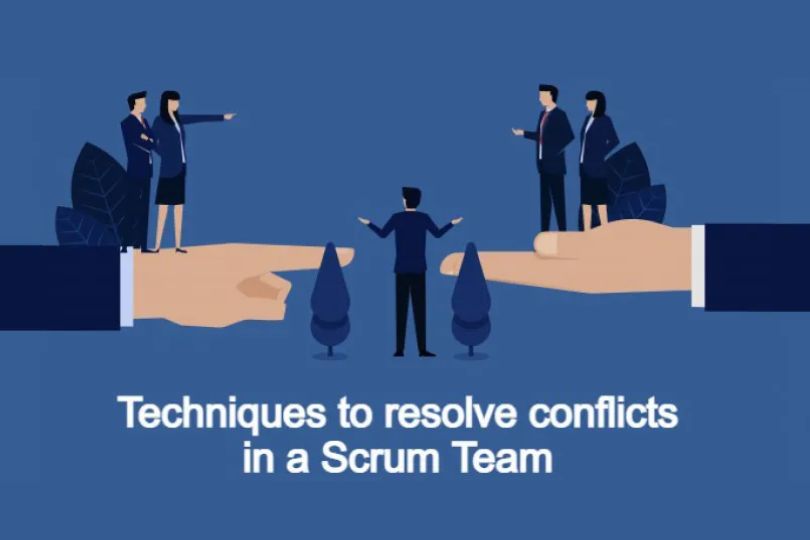
Conflict Resolution Tips for Scrum Masters: Keeping Teams on Track
Effective conflict resolution is a critical skill for Scrum Masters, as conflicts are inevitable in dynamic, high-performing teams. Managed well, conflicts can lead to growth, better ideas, and stronger team cohesion. However, if left unresolved, they can derail progress and harm morale. In this blog, we’ll explore actionable conflict resolution tips that Scrum Masters can use to keep their teams on track and thriving.
Understanding the Nature of Conflicts in Agile Teams
Conflicts in Agile teams arise from various sources, including:
- Divergent perspectives: Team members often have different ideas on how to approach a problem or implement a solution.
- Role confusion: Misunderstandings about responsibilities can lead to friction.
- Pressure to deliver: Tight deadlines and high expectations can create stress and disagreements.
- Cultural differences: Teams working in distributed or multicultural environments may experience conflicts due to communication styles or cultural norms.
Recognizing these sources is the first step in resolving conflicts effectively.
Key Conflict Resolution Tips for Scrum Masters
1. Create a Safe Environment for Open Dialogue
Teams need a safe space where they can express concerns without fear of judgment or retaliation. Scrum Masters play a pivotal role in fostering psychological safety.
Actionable Steps:
- Encourage team members to speak up during retrospectives and daily stand-ups.
- Reinforce positive behaviors, such as active listening and respectful disagreement.
- Intervene when necessary to prevent escalation.
2. Use Active Listening Techniques
Active listening is crucial for understanding the root cause of a conflict. Scrum Masters should listen not just to respond, but to understand.
Tips for Active Listening:
- Maintain eye contact and open body language.
- Paraphrase what the speaker has said to confirm understanding.
- Avoid interrupting or jumping to conclusions.
By practicing active listening, you can build trust and defuse tensions.
3. Facilitate Constructive Discussions
When conflicts arise, Scrum Masters should facilitate discussions that lead to solutions rather than blame.
Best Practices:
- Focus on the issue, not the individual.
- Encourage team members to propose solutions.
- Guide the team towards a consensus by summarizing points and identifying common ground.
4. Leverage Agile Values and Principles
The Agile Manifesto emphasizes collaboration, respect, and adaptability. Scrum Masters should remind teams of these core values when conflicts arise.
How to Apply Agile Values:
- Emphasize the importance of working together to deliver value.
- Encourage flexibility and openness to change.
- Reinforce the principle of continuous improvement.
5. Address Conflicts Early
Small disagreements can escalate into major conflicts if not addressed promptly. Scrum Masters should be proactive in identifying and resolving issues early.
Early Intervention Tips:
- Pay attention to non-verbal cues, such as body language or tone of voice, that indicate tension.
- Check in with team members regularly to gauge morale.
- Use one-on-one meetings to address sensitive issues discreetly.
6. Use Conflict Resolution Frameworks
Having a structured approach to conflict resolution can help Scrum Masters navigate difficult situations more effectively.
Popular Frameworks:
- The Interest-Based Relational Approach (IBR): Focuses on preserving relationships while addressing the underlying interests of all parties.
- Thomas-Kilmann Conflict Mode Instrument (TKI): Identifies different conflict-handling styles (e.g., competing, collaborating, compromising) and helps choose the best approach for the situation.
7. Promote Empathy and Understanding
Empathy is key to resolving conflicts and building stronger teams. By understanding each other’s perspectives, team members can find common solutions.
How to Foster Empathy:
- Encourage team members to share their viewpoints and feelings.
- Promote cross-functional collaboration to build mutual respect.
- Lead by example by showing empathy in your interactions.
8. Document and Reflect on Resolutions
Once a conflict is resolved, it’s important to document the outcome and reflect on lessons learned.
Steps for Documentation:
- Record key points discussed and the agreed-upon solution.
- Share the resolution with the team during a retrospective.
- Use the experience to improve team processes and avoid similar conflicts in the future.
9. Seek External Help When Necessary
In some cases, conflicts may require external intervention. Scrum Masters should know when to escalate issues to HR or seek help from an Agile coach.
When to Escalate:
- When conflicts persist despite multiple attempts at resolution.
- When a conflict begins to impact team performance or well-being.
- When personal issues or unethical behavior are involved.
Common Mistakes Scrum Masters Should Avoid
- Ignoring conflicts: Pretending that conflicts don’t exist can lead to bigger problems later.
- Taking sides: Scrum Masters should remain neutral and focus on facilitating resolution.
- Over-controlling the process: Allow the team to take ownership of conflict resolution while providing guidance.
Tools and Techniques for Conflict Resolution
- Retrospectives: Use retrospectives to surface and address underlying tensions.
- Collaboration tools: Platforms like Miro or MURAL can help visualize ideas and facilitate discussions in distributed teams.
- Anonymous feedback: Encourage team members to provide feedback anonymously if they are hesitant to speak up directly.
Conclusion: Foster a Culture of Collaboration
Effective conflict resolution is not just about managing disagreements—it’s about fostering a culture of collaboration, empathy, and continuous improvement. As a Scrum Master, your role is to guide the team through challenges and help them grow stronger together.
Ready to take your conflict resolution skills to the next level? Start by implementing one or two tips from this blog and observe the difference in your team dynamics. Don’t forget to share this blog with fellow Scrum Masters and agile practitioners!