

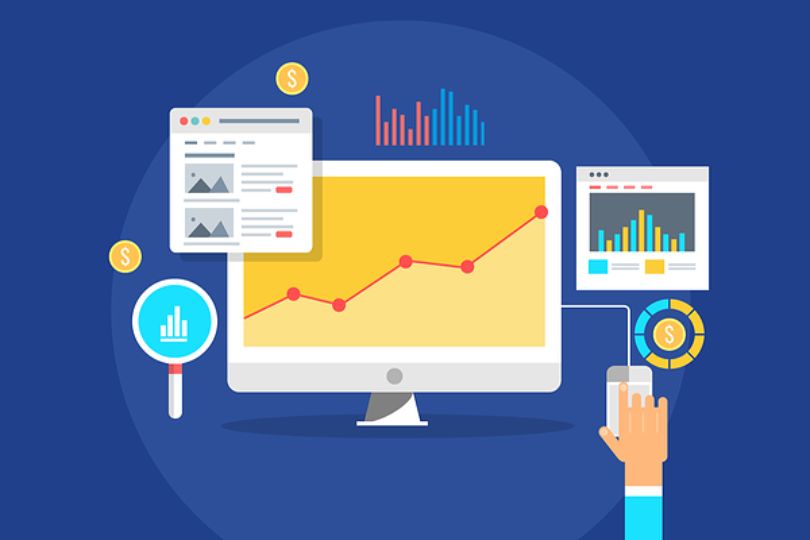
Analytics Demystified: Understanding Your Website Traffic
In today’s digital world, tracking website traffic has become an essential part of any business strategy. However, for many, the concept of web analytics can feel overwhelming and complex. With so many metrics and tools available, how do you know which ones matter the most for your business?
This blog will break down the basics of website analytics, explain key traffic metrics, and guide you through how to interpret your data to make smarter business decisions. By the end, you’ll feel more confident in understanding your website’s performance and how to leverage that data for growth.
What Is Website Analytics?
Website analytics refers to the data you collect about your website’s visitors, their behavior, and interactions with your content. By tracking these insights, you can better understand your audience’s needs, improve your website’s user experience, and optimize your marketing efforts. Most businesses use tools like Google Analytics to gather this information.
Key Metrics You Should Know
To make the most out of your analytics tools, it’s important to understand the key metrics that drive meaningful insights. Here are the most important ones:
1. Sessions (or Visits)
A session represents the period of time a user is actively engaged with your website. If a user visits your website, browses a few pages, and leaves, that counts as one session. If they return later, it counts as a new session.
Why it matters: Tracking sessions helps you understand how many visitors are engaging with your website over a specific time period.
2. Users
Users refer to unique visitors who have interacted with your site during a given period. This is important to measure because it indicates how many people are regularly coming back to your website versus new visitors.
Why it matters: By comparing users over time, you can assess whether your marketing efforts are bringing in new audiences or retaining existing ones.
3. Pageviews
Pageviews count the number of times a page on your website is viewed. This includes repeat visits to the same page by the same user.
Why it matters: Monitoring pageviews helps you see which content is the most engaging or popular among your audience.
4. Bounce Rate
Bounce rate refers to the percentage of visitors who land on a page of your website and then leave without interacting further, such as clicking on links or viewing additional pages.
Why it matters: A high bounce rate might indicate that visitors aren’t finding what they expect or need on your site, signaling potential usability or content issues.
5. Average Session Duration
This metric shows the average length of time users spend on your site during a session.
Why it matters: A longer session duration generally indicates that users are finding your content valuable and engaging. If the average duration is low, it might mean your content isn’t compelling enough or the site’s design isn’t user-friendly.
6. Acquisition Channels
Acquisition channels track where your website visitors are coming from. This could include organic search (Google), paid search (ads), social media, referrals (other websites linking to you), or direct visits (when users type your URL directly into the browser).
Why it matters: Understanding which channels are driving the most traffic allows you to allocate resources efficiently and optimize the performance of different marketing channels.
How to Use These Metrics to Your Advantage
Now that you understand these basic metrics, let’s explore how to use them effectively to improve your website’s performance and your overall marketing strategy.
1. Improve User Engagement and Experience
If your bounce rate is high or session durations are low, it’s time to reevaluate your website’s user experience (UX). Here are a few ways to enhance engagement:
- Optimize website design: Make sure your website is easy to navigate, visually appealing, and mobile-friendly. A clean, intuitive layout will encourage users to explore more pages.
- Enhance content quality: Regularly update your content to provide value. Use engaging, informative blog posts, videos, and infographics to capture your audience’s attention.
- Improve site speed: Slow load times can increase bounce rates. Use tools like Google PageSpeed Insights to identify and fix any performance issues.
2. Target the Right Audience
Your “Acquisition Channels” metric will give you insight into which marketing channels are working best. For example, if you’re getting a lot of traffic from social media, it might make sense to double down on those platforms.
Actionable tip: Focus your marketing efforts on the channels that are driving the most valuable traffic. For instance, if organic search is your top channel, prioritize SEO (search engine optimization) strategies to further increase visibility.
3. Optimize Conversion Rates
Even if you’re driving substantial traffic to your site, it doesn’t mean all that traffic is converting into leads or sales. This is where metrics like sessions, pageviews, and bounce rate come in handy.
Actionable tip: Use A/B testing on landing pages, calls-to-action (CTAs), and product pages to see what resonates most with your audience. A minor tweak in wording or design can significantly improve your conversion rates.
4. Focus on Content That Works
Tracking pageviews will help you identify which pages are the most popular among your visitors. You can then focus on producing more content around similar topics that have proven successful.
Actionable tip: If certain blog posts or product pages are attracting the most views, consider creating related content or updating them to keep them fresh. This helps you serve your audience with more of what they want and improves your website’s SEO.
5. Evaluate Your Marketing Campaigns
If you run advertising campaigns or social media promotions, you’ll want to track how those efforts are translating into traffic on your website. By monitoring acquisition channels, you can determine which campaigns are performing best.
Actionable tip: If a paid ad campaign is driving lots of traffic but with a high bounce rate, it could mean the landing page isn’t aligned with the ad’s messaging. Refining the landing page can lead to higher engagement and conversions.
Using Google Analytics to Track Your Website Traffic
Google Analytics is one of the most popular tools for tracking website traffic. Here’s a simple step-by-step guide on how to get started:
- Set Up Google Analytics: First, you need to create a Google Analytics account and install the tracking code on your website. This is typically done by adding a small snippet of code to your website’s header.
- Define Your Goals: Set up goals within Google Analytics to track specific actions on your website, such as form submissions, product purchases, or newsletter sign-ups. This helps measure your website’s performance beyond just traffic.
- Analyze Your Data: Use the various reports within Google Analytics to review the performance of your website. Focus on key metrics like sessions, pageviews, bounce rate, and user demographics to gain insights into how visitors interact with your site.
- Make Data-Driven Decisions: Based on the insights from Google Analytics, you can make adjustments to your marketing campaigns, website design, or content strategy to improve your results.
Conclusion: Unlock the Power of Website Analytics
Understanding website traffic is crucial for any business looking to optimize its online presence and achieve growth. By focusing on key metrics like sessions, bounce rate, and user acquisition channels, you can gain a clearer picture of how users are interacting with your site and what areas need improvement.
Using tools like Google Analytics will allow you to make data-driven decisions that help optimize user engagement, increase conversions, and refine your marketing efforts. So, don’t be intimidated by analytics – use the insights to your advantage and watch your website performance soar!
Want to take your website’s performance to the next level? Subscribe to our newsletter for more expert tips and insights on web analytics and digital marketing!