Welcome to DreamsPlus

Project Management

Integrating UX/UI Considerations into Project Management

Integrating UX/UI Considerations into Project Management In today’s competitive market, businesses are increasingly focusing on creating user-friendly products and services. One of the most effective ways to ensure that these products meet user expectations is by integrating User Experience (UX) and User Interface (UI) considerations into the project management process. By aligning project management goals with UX/UI principles, teams can deliver solutions that not only function effectively but also delight users. This blog explores how project managers can successfully incorporate UX/UI design into their workflow, ensuring that the user is always at the center of the product development process. 1. Understanding the Importance of UX/UI in Project Management What is UX/UI? User Experience (UX) refers to the overall experience a user has when interacting with a product, system, or service, focusing on usability and user satisfaction. User Interface (UI) is the layout and design of a product’s interface, including buttons, text, images, and other interactive elements. Incorporating UX/UI into project management isn’t just about ensuring the product looks good; it’s about ensuring that the product is intuitive, accessible, and effective for users. 2. Why Integrating UX/UI into Project Management Matters Integrating UX/UI considerations into your project management strategy provides multiple benefits that drive both user satisfaction and business success: Improved User Satisfaction UX/UI-focused project management ensures that user needs are prioritized throughout the development process, leading to products that resonate with end-users. Increased Efficiency By addressing usability issues early, teams can save time and resources in the long run, reducing costly revisions and redesigns. Higher Success Rate Products designed with strong UX/UI principles are more likely to meet business goals, enhance user retention, and boost brand reputation. Collaboration and Alignment Bringing UX/UI design into the fold of project management encourages closer collaboration between developers, designers, and project managers, ensuring that everyone is aligned on user-centered goals. 3. Steps to Integrate UX/UI into Project Management Here are some actionable steps to successfully incorporate UX/UI into your project management process: Step 1: Start with User Research User research is the foundation of any successful UX/UI design. Before starting any project, project managers must ensure that user research is conducted to understand the target audience, their pain points, and their preferences. Actionable Tips: Conduct user interviews, surveys, or focus groups to gather qualitative insights. Use analytics tools to identify user behavior and needs. Create personas to represent different user types and their specific goals and challenges. Step 2: Collaborate Early with Designers Project managers should work closely with UX/UI designers from the outset of the project. This ensures that the design vision aligns with project objectives and user needs. Actionable Tips: Hold collaborative workshops with designers to define goals and expectations. Create wireframes and prototypes early to test concepts and receive feedback from stakeholders. Incorporate design iterations into project sprints or milestones to make the process more agile. Step 3: Integrate UX/UI into Project Planning and Development During the planning phase, project managers must ensure that UX/UI considerations are woven into the project’s timeline, budget, and resource allocation. The design process should be treated as an integral part of the project, not a secondary task. Actionable Tips: Set clear milestones for design and development phases that align with UX/UI goals. Allocate resources specifically for user testing, research, and UI design. Ensure that the development team has the necessary tools to implement the designed user experience. Step 4: Conduct Continuous Testing and Feedback Loops Throughout the development process, continuous user testing is key to ensuring that the product meets user expectations. Regular testing and feedback loops help identify potential issues before they become major problems. Actionable Tips: Implement usability testing sessions at various stages of the project. Use A/B testing to compare design variations and assess user preferences. Collect feedback from stakeholders, users, and team members to refine the design. Step 5: Incorporate UX/UI into Post-Launch Support Once the product is launched, project managers should not overlook UX/UI improvements. Collecting user feedback and analyzing post-launch data helps inform future updates and optimizations. Actionable Tips: Track user behavior and engagement through analytics tools. Gather user feedback through surveys, reviews, or social media. Prioritize design updates based on real-world usage and feedback. 4. Tools to Facilitate UX/UI Integration in Project Management Using the right tools can significantly enhance the integration of UX/UI principles into project management. Here are some tools that project managers can use to streamline collaboration between design and development teams: 1. Project Management Software Tools like Trello, Asana, and Monday.com are essential for keeping track of tasks, timelines, and milestones while ensuring UX/UI integration is on schedule. 2. Design Collaboration Tools Figma, Sketch, and Adobe XD allow designers to create, share, and collaborate on design prototypes, while enabling project managers to track progress and provide input. 3. User Testing Platforms Platforms like UserTesting and Hotjar enable teams to conduct usability tests and gather real-time user feedback during the development process. 4. Analytics Tools Google Analytics, Mixpanel, and other tracking tools provide valuable data on user interactions, helping project managers understand how the UX/UI affects user engagement and satisfaction. 5. Overcoming Challenges in UX/UI Integration Integrating UX/UI into project management comes with its own set of challenges. Project managers may face roadblocks such as misalignment between teams, resource constraints, or time limitations. Here are some strategies to overcome these hurdles: 1. Foster Cross-Departmental Collaboration Encourage frequent communication and collaboration between design, development, and project management teams. This helps ensure that everyone is aligned on UX/UI goals and expectations. 2. Align Design with Business Goals Make sure the UX/UI design aligns with the broader business objectives. This can be done by constantly reviewing the user experience in the context of the project’s goals and making adjustments as necessary. 3. Educate Stakeholders on UX/UI Importance Sometimes, non-design stakeholders may not fully understand the importance of UX/UI. It’s crucial to educate them about how good design contributes to project success, user retention, and revenue growth. 6. The Future of UX/UI in Project Management As digital products

Project Management

Risk Management: New Strategies for Complex Projects

Risk Management: New Strategies for Complex Projects In 2025, project management continues to evolve, and so do the strategies for managing risk in complex projects. As project managers are tasked with overseeing intricate systems, teams, and goals, the complexity of risk management has intensified. Managing risks effectively requires a dynamic approach, combining traditional methods with innovative techniques. This blog explores new strategies for risk management, offering project managers actionable tips to navigate the complexities of modern projects. 1. The Evolving Landscape of Risk Management In recent years, the complexity of projects has skyrocketed, driven by rapid technological advancements, shifting market demands, and increasing competition. As a result, effective risk management has become more critical than ever. In 2025, risk management strategies must go beyond traditional methods and embrace new technologies, frameworks, and processes. Challenges in Managing Risks for Complex Projects Technological Complexity: Integrating new technologies, managing data security, and ensuring system compatibility. Global Teams: Managing communication, collaboration, and compliance across borders. Uncertainty and Change: Navigating unpredictable market conditions and regulatory shifts. To stay ahead, project managers must adopt new, innovative strategies that provide better foresight and quicker response times. 2. New Risk Management Strategies for Complex Projects in 2025 Here are the most effective strategies that project managers should consider for managing risks in today’s complex project landscape: 1. Adopt Predictive Analytics for Risk Forecasting Predictive analytics is revolutionizing risk management by allowing project managers to forecast potential risks before they occur. By analyzing historical data, market trends, and other variables, predictive models can highlight areas of vulnerability and potential threats. Actionable Tips: Use AI-powered tools to analyze past project data and identify patterns in risk occurrence. Apply predictive analytics to anticipate resource shortages, budget overruns, or delays. Integrate real-time data to adjust forecasts dynamically and keep risk management plans updated. 2. Implement Real-Time Risk Monitoring with Digital Tools Real-time monitoring of project risks is vital for quick decision-making. Digital tools like project management software and risk management platforms can help monitor risks and provide instant alerts when issues arise. Actionable Tips: Leverage project management tools like Microsoft Project, Trello, or Monday.com, which offer built-in risk management modules. Set up automated alerts to monitor project milestones, deadlines, and potential risk indicators. Integrate real-time dashboards to allow stakeholders to track risk status and take corrective action swiftly. 3. Use Agile Risk Management Frameworks Agile project management isn’t just for development teams. By applying agile methodologies to risk management, project managers can adapt quickly to changing circumstances and mitigate risks in real-time. Actionable Tips: Implement agile risk management sprints, allowing teams to focus on identifying and addressing risks during short, focused periods. Encourage continuous feedback loops to assess risk factors and prioritize mitigation efforts. Use iterative planning to adapt to unforeseen risks and adjust project timelines or budgets accordingly. 4. Embrace Risk Sharing and Partnerships Complex projects often involve various stakeholders, including vendors, contractors, and clients. Sharing the risk burden among stakeholders not only distributes responsibility but also strengthens relationships and enhances collaboration. Actionable Tips: Formalize risk-sharing agreements with stakeholders to ensure they contribute to managing risks. Develop partnerships that include joint risk mitigation strategies, such as shared insurance or contingency planning. Establish open communication channels with external partners to ensure collective awareness and preparedness. 5. Focus on Strategic Risk Management for Long-Term Impact For complex projects, focusing on short-term risk management alone is not sufficient. Strategic risk management emphasizes long-term planning and considers the future impact of risks on the organization and its stakeholders. Actionable Tips: Use scenario planning to identify long-term risks that may affect the project or business, such as economic downturns or regulatory changes. Develop contingency plans for high-impact risks that could derail project objectives. Involve senior leadership in risk management to align project risks with business goals. 3. Utilizing Technology in Risk Management Technology is at the heart of many of the strategies discussed above. By leveraging cutting-edge tools and technologies, project managers can mitigate risks with greater precision and efficiency. 1. AI and Machine Learning for Predictive Risk Modeling Artificial Intelligence (AI) and Machine Learning (ML) are increasingly being used in risk management for their ability to process large datasets and predict future outcomes. These technologies can help identify patterns that are not immediately obvious to human analysts, improving risk forecasting. Actionable Tips: Invest in AI-based risk management software that uses ML algorithms to analyze historical data and predict potential future risks. Apply AI to optimize resource allocation and project scheduling to avoid risks related to resource constraints or misalignment. 2. Blockchain for Enhanced Transparency and Security Blockchain technology provides transparency and security by ensuring that project data is immutable and securely shared. This is especially useful in projects with multiple parties, where trust and data security are critical. Actionable Tips: Implement blockchain-based contracts to ensure that all stakeholders have access to the same real-time data. Use blockchain to track project milestones, payments, and resource usage to ensure security and accountability. 3. Cloud-Based Risk Management Tools Cloud technology allows project teams to access risk management tools from anywhere, providing flexibility and ensuring that all stakeholders are on the same page. Actionable Tips: Choose cloud-based project management software that integrates risk management features, such as risk assessment and tracking tools. Ensure that cloud solutions are compliant with industry standards for data security and privacy. 4. Building a Risk-Aware Culture in Your Organization Managing risk in complex projects isn’t just about tools and strategies—it’s also about creating a risk-aware culture within the organization. A proactive approach to risk starts with fostering an environment where team members feel empowered to identify, assess, and address risks. Actionable Tips: Encourage open communication among team members, allowing them to raise concerns and share insights about potential risks. Foster a culture where risk management is seen as a shared responsibility, rather than solely the project manager’s job. Regularly conduct risk awareness workshops and training sessions to keep all stakeholders informed. 5. Conclusion Risk management for complex projects in 2025 requires an innovative

Project Management

Cybersecurity Considerations for Project Managers in 2025

Cybersecurity Considerations for Project Managers in 2025 In 2025, cybersecurity is more critical than ever, especially for project managers who oversee digital systems, sensitive information, and collaborative platforms. Cyber threats are evolving, and businesses need to prioritize securing their projects to maintain integrity, confidentiality, and customer trust. This blog will explore essential cybersecurity considerations for project managers, offering actionable insights to safeguard projects and teams in the digital age. 1. Understanding the Evolving Cybersecurity Threat Landscape in 2025 Cybersecurity threats continue to grow in both frequency and sophistication. With the rise of remote work, digital transformation, and cloud technologies, project managers face new challenges in protecting sensitive project data and ensuring secure collaboration. Common Cybersecurity Threats in 2025 Ransomware Attacks: Attackers lock valuable project files and demand payment to unlock them. Data Breaches: Cybercriminals gain unauthorized access to confidential information, leading to data leaks and compliance issues. Phishing: Fraudulent attempts to access login credentials or sensitive information via deceptive emails and websites. Insider Threats: Employees or contractors intentionally or unintentionally cause harm to the project by sharing confidential information. Why Cybersecurity is Critical for Project Managers Project managers are responsible for overseeing the entire project lifecycle, and security risks can have serious consequences. A security breach can cause delays, financial losses, reputational damage, and legal ramifications, all of which can jeopardize project success. 2. Key Cybersecurity Considerations for Project Managers in 2025 As a project manager, it’s essential to stay informed and take proactive steps to safeguard your projects and teams. Here are some key cybersecurity considerations: 1. Develop a Cybersecurity Policy for Your Project Team A well-structured cybersecurity policy sets the foundation for securing your project data and systems. This policy should clearly outline the expectations and guidelines for team members regarding secure data handling, password management, and communication. Actionable Tips: Define user access levels to ensure only authorized individuals can view or edit sensitive project information. Ensure all team members are trained on cybersecurity best practices. Regularly update the policy to reflect new threats or regulatory changes. 2. Implement Strong Authentication and Access Control Ensuring that only authorized individuals can access project files is vital. Use multi-factor authentication (MFA) and role-based access control (RBAC) to limit the exposure of sensitive data. Actionable Tips: Enforce the use of strong, unique passwords and MFA for all accounts accessing project-related systems. Implement role-based permissions to limit access to project data based on the individual’s role and responsibilities. Regularly audit user access and revoke permissions for employees who no longer require them. 3. Secure Cloud Storage and Data Transfers Many projects rely on cloud platforms for collaboration and file sharing. However, cloud storage and data transfers can be vulnerable to attacks if not properly secured. Actionable Tips: Choose reputable cloud providers that offer end-to-end encryption and robust security protocols. Avoid transferring sensitive data through unsecured channels; use secure file-sharing platforms with encryption. Regularly back up project data to ensure business continuity in case of a data breach. 4. Implement Regular Software Updates and Patches Cyber attackers often exploit known vulnerabilities in outdated software. As a project manager, it’s crucial to ensure that all tools and systems used in your project are up-to-date and patched regularly. Actionable Tips: Set up automated software updates to reduce the risk of human error. Regularly review the security patches released by software vendors and apply them immediately. Work with your IT team to implement a patch management strategy that prioritizes high-risk systems. 5. Conduct Regular Cybersecurity Training for Your Team Your team’s behavior can be the weakest link in your project’s cybersecurity defense. Regular cybersecurity training ensures that team members are aware of potential threats and know how to handle sensitive information securely. Actionable Tips: Conduct annual or quarterly cybersecurity awareness training for all project stakeholders. Train team members to identify phishing attempts and suspicious emails. Educate your team about the importance of secure file-sharing and password management. 3. Advanced Cybersecurity Measures for Project Managers In addition to fundamental cybersecurity practices, project managers should also consider advanced measures to protect sensitive data and maintain project integrity in 2025. 1. Adopt End-to-End Encryption End-to-end encryption (E2EE) ensures that data is encrypted from the moment it’s sent until it reaches the recipient, making it virtually impossible for unauthorized parties to access it. Actionable Tips: Use E2EE for all communication and file sharing between project team members. Select project management tools that offer built-in end-to-end encryption to safeguard sensitive information. 2. Monitor for Insider Threats Insider threats can be particularly difficult to detect, as they involve individuals who have authorized access to the system. Regular monitoring and audits can help identify any unusual behavior or unauthorized access. Actionable Tips: Use tools that provide real-time monitoring and alert you to suspicious activities. Conduct periodic security audits to ensure that all project team members are complying with security protocols. 3. Establish an Incident Response Plan An incident response plan (IRP) is essential for quickly responding to cybersecurity incidents. The faster you detect and respond to a security breach, the less damage it will cause. Actionable Tips: Create a step-by-step incident response plan that includes identifying, containing, and recovering from a breach. Ensure all team members know their roles in the event of a cybersecurity incident. Regularly test and update the plan to keep it aligned with evolving threats. 4. Common Cybersecurity Tools for Project Managers To assist with securing your project, there are various cybersecurity tools available. Here are some of the most effective options for project managers in 2025: 1. Password Managers Password managers store and manage login credentials securely. These tools allow team members to generate and store strong, unique passwords for project systems without the risk of forgetting them. Examples: LastPass, 1Password, Bitwarden 2. Antivirus and Anti-malware Software Install and maintain antivirus software on all devices used by your project team to prevent malware and viruses from compromising your systems. Examples: Norton, McAfee, Bitdefender 3. Virtual Private Networks (VPNs) VPNs encrypt internet connections, providing an additional layer of

Project Management

Remote Collaboration Tools for Effective Project Management

Remote Collaboration Tools for Effective Project Management In the era of remote work, effective collaboration among team members is crucial for the success of any project. With teams spread across different locations, relying on traditional communication methods alone is no longer enough. Project managers need efficient, reliable tools that enable real-time collaboration, streamline workflows, and ensure smooth communication. In this blog, we’ll explore the most popular and effective remote collaboration tools for project management, highlighting their features and how they contribute to successful project execution. 1. The Need for Remote Collaboration Tools in Project Management As remote work becomes more widespread, the traditional ways of managing projects and teams have evolved. Collaboration tools provide the foundation for managing projects seamlessly in a distributed environment. Improved Communication: These tools ensure that all team members, regardless of location, can communicate in real-time, reducing misunderstandings and delays. Increased Productivity: They help organize tasks, set deadlines, and track progress, which boosts team efficiency. Centralized Information: By using collaboration tools, teams have a single source of truth for project documentation, reducing the chances of miscommunication. Enhanced Collaboration: They enable team members to work together more effectively, whether it’s brainstorming ideas or working on shared documents. 2. Top Remote Collaboration Tools for Project Management Here are some of the best remote collaboration tools that project managers can use to ensure successful project management: 1. Trello Best for: Visual task management and team collaboration. Trello is a simple and flexible tool that allows project managers to organize tasks into boards, lists, and cards. It’s ideal for teams that need a visual way to track progress and communicate about different stages of a project. Features: Drag-and-Drop Interface: Easily organize tasks by moving cards between columns (e.g., “To Do,” “In Progress,” and “Done”). Collaboration: Team members can add comments, attachments, and checklists to each task card. Power-Ups: Integrates with other tools like Slack, Google Drive, and Zapier. Actionable Tip: Use Trello’s power-ups for seamless integration with other tools you use for project management, such as time-tracking and document storage. 2. Slack Best for: Instant messaging and real-time communication. Slack is one of the most popular communication tools for teams, offering channels for team-wide discussions, direct messages, and file sharing. It’s a great tool for remote teams that need to stay connected in real-time. Features: Channels: Organize conversations by project, department, or topic. Integrations: Slack integrates with a wide variety of tools like Google Drive, Asana, and Jira. Search Function: Easily search through past conversations and files. Actionable Tip: Use Slack’s “reminder” feature to set deadlines and tasks for yourself and team members within conversations. 3. Asana Best for: Task management and team collaboration. Asana is a robust project management tool that allows teams to track project progress, set deadlines, and assign tasks. It’s perfect for teams that need to keep track of multiple tasks and projects simultaneously. Features: Task Management: Assign tasks to team members, set deadlines, and track progress. Project Timeline: Visualize project deadlines and dependencies using a Gantt chart-style timeline. Integrations: Connect with tools like Slack, Microsoft Teams, and Google Workspace. Actionable Tip: Use Asana’s templates to save time when setting up recurring projects or tasks with standard workflows. 4. Microsoft Teams Best for: Collaboration and communication within Microsoft ecosystems. Microsoft Teams offers robust collaboration tools for remote teams. It combines chat, video calls, file sharing, and integrations with Microsoft 365 applications, making it an ideal choice for organizations already using Microsoft products. Features: Chat and Video Calls: Communicate in real-time through messages or video conferences. File Sharing: Share and collaborate on files directly within the platform. Integration with Office 365: Seamlessly work with Word, Excel, PowerPoint, and other Office apps. Actionable Tip: Create dedicated channels for specific projects or topics, ensuring organized communication and file storage. 5. Basecamp Best for: All-in-one project management. Basecamp is a simple and easy-to-use project management tool that consolidates all your project communication and tasks into one platform. It’s a great tool for teams that prefer a no-frills approach to project management. Features: Message Boards: Post announcements and updates for your team. To-Do Lists: Create task lists and assign responsibilities. Docs & Files: Store and share project files in one place. Actionable Tip: Use Basecamp’s “Hill Charts” feature to track project progress visually, giving your team an overview of where things stand at any time. 6. Monday.com Best for: Workflow automation and project tracking. Monday.com offers a customizable platform that allows teams to manage workflows, track projects, and automate processes. It’s a good fit for teams that require detailed tracking and reporting on project progress. Features: Customizable Workflows: Design workflows based on your team’s unique needs. Automations: Set automated triggers for tasks, such as status updates or reminders. Dashboards: Create customizable dashboards to track project performance. Actionable Tip: Take advantage of Monday.com’s automation features to reduce repetitive tasks and increase efficiency. 7. Google Workspace Best for: Document collaboration and file sharing. Google Workspace (formerly G Suite) is a collection of tools designed for collaboration, including Gmail, Google Docs, Google Sheets, Google Drive, and Google Meet. It’s an excellent choice for teams that require real-time collaboration on documents and spreadsheets. Features: Real-Time Collaboration: Work on documents simultaneously with team members. Cloud Storage: Store and share documents on Google Drive. Video Conferencing: Conduct video meetings via Google Meet. Actionable Tip: Use Google Docs and Sheets for collaborative project documentation and progress tracking, ensuring all team members have access to the latest updates. 3. Benefits of Using Remote Collaboration Tools When implemented correctly, remote collaboration tools can offer several benefits for teams working on projects, including: 1. Increased Efficiency These tools streamline communication and task management, allowing teams to focus on what matters most: getting the work done. No more time wasted on lengthy email threads or confusing meeting notes. 2. Better Transparency With remote collaboration tools, everyone on the team can access the latest project updates, timelines, and deliverables, ensuring transparency and alignment. 3. Improved Accountability Project managers can assign tasks and

Project Management

The Importance of Emotional Intelligence in Project Leadership

The Importance of Emotional Intelligence in Project Leadership In today’s fast-paced business environment, project leaders are expected not only to have technical expertise but also to possess strong emotional intelligence (EQ). Emotional intelligence refers to the ability to recognize, understand, manage, and influence emotions in oneself and others. For project managers, high emotional intelligence is crucial for leading teams, resolving conflicts, building relationships, and making sound decisions. In this blog, we’ll explore the importance of emotional intelligence in project leadership and how project managers can develop and apply these skills for greater success. 1. What is Emotional Intelligence? Emotional intelligence involves five key components: Self-awareness: Understanding your emotions, strengths, weaknesses, and their impact on others. Self-regulation: Managing emotions, staying in control, and adapting to changing circumstances. Motivation: The drive to achieve goals for personal or organizational reasons, with resilience in the face of setbacks. Empathy: The ability to understand and share the feelings of others, which helps in building trust and rapport. Social skills: The ability to manage relationships, build networks, and navigate social complexities effectively. For project leaders, EQ isn’t just a “nice-to-have” trait—it’s an essential skill for managing teams and projects successfully. 2. Why is Emotional Intelligence Crucial for Project Leaders? Project leadership often requires navigating complex relationships, handling conflicting priorities, and managing diverse teams. Here’s why emotional intelligence is so important: 1. Improves Communication Effective communication is a cornerstone of successful project management. Project leaders with high emotional intelligence are better at conveying information clearly and empathetically. They can tailor their communication to meet the needs of different team members, ensuring that the message is understood and well-received. Actionable Insight: Active Listening: Project leaders should practice active listening to understand team members’ perspectives fully before responding. This helps in creating a positive environment for open communication. 2. Enhances Conflict Resolution Conflicts are inevitable in projects, especially when team members have different opinions or work styles. Emotionally intelligent leaders are skilled at de-escalating tensions and finding solutions that satisfy all parties involved. They are empathetic, which helps them understand various viewpoints and mediate conflicts effectively. Actionable Insight: Stay Calm Under Pressure: Emotional intelligence helps leaders remain composed during stressful situations, which allows them to think clearly and address conflicts with a level-headed approach. 3. Builds Stronger Relationships Project leadership is about building and maintaining relationships. Leaders with high EQ can create a sense of trust and cooperation among team members. They can motivate, inspire, and provide the support necessary for individuals to perform at their best. Actionable Insight: Team Engagement: Spend time understanding your team members’ motivations, strengths, and challenges. This personal connection helps create a more collaborative and supportive work environment. 4. Promotes Team Motivation and Morale A project manager with strong emotional intelligence can recognize when a team member is feeling demotivated or overwhelmed. They are adept at boosting morale through encouragement, recognition, and support, which in turn leads to higher team productivity and commitment to project goals. Actionable Insight: Offer Constructive Feedback: Regular, positive feedback can help team members feel valued and motivated, encouraging them to maintain focus on project objectives. 5. Increases Adaptability to Change Change is a constant in project management, whether it’s a shift in client requirements, a change in team structure, or unforeseen challenges. Emotionally intelligent leaders are more adaptable and better equipped to manage change without disrupting the team’s dynamics or morale. Actionable Insight: Be Flexible and Supportive: Recognize that team members may struggle with change. Be transparent about the reasons behind the change and provide the necessary support to help them adjust. 3. How to Develop Emotional Intelligence as a Project Leader While emotional intelligence may seem like an inherent trait, it can be developed and refined over time. Here are practical steps project leaders can take to enhance their emotional intelligence: 1. Practice Self-Reflection Self-awareness is the first step in improving emotional intelligence. Take time to reflect on your emotions and reactions during interactions with others. Pay attention to situations that trigger strong emotions and analyze how you responded. This helps identify areas for improvement. Actionable Insight: Daily Journaling: Spend a few minutes each day reflecting on your emotional responses to various events. Over time, this practice can help you understand your emotional triggers and reactions better. 2. Seek Feedback from Others Receiving feedback from colleagues, team members, and mentors can help you identify blind spots in your emotional intelligence. Feedback provides valuable insights into how others perceive your behavior and communication style. Actionable Insight: 360-Degree Feedback: Use formal feedback mechanisms like 360-degree reviews to gather insights from peers, subordinates, and supervisors on your emotional intelligence. 3. Develop Active Listening Skills Active listening is a vital skill for improving emotional intelligence. It involves giving your full attention to the speaker, asking clarifying questions, and paraphrasing what they say to ensure understanding. Actionable Insight: Use Non-Verbal Cues: Maintain eye contact, nod in agreement, and use facial expressions to show attentiveness and empathy while listening. 4. Improve Stress Management Effective stress management is key to emotional regulation. Learn techniques such as mindfulness, meditation, or deep breathing to stay calm in high-pressure situations. Managing your stress levels will help you lead with greater emotional stability. Actionable Insight: Mindfulness Practice: Incorporate mindfulness techniques into your daily routine to improve focus and emotional control, especially during stressful project phases. 5. Build Empathy Empathy is the ability to understand and share the feelings of others. Project leaders can develop empathy by putting themselves in others’ shoes, showing genuine concern, and asking open-ended questions to better understand team members’ perspectives. Actionable Insight: Empathy Mapping: Use tools like empathy maps to visualize and understand the emotions, thoughts, and needs of your team members, helping you respond more effectively. 6. Foster Positive Relationships Social skills, such as building rapport, managing group dynamics, and resolving conflicts, are crucial for successful project leadership. Make an effort to develop positive relationships with your team members, stakeholders, and clients. Actionable Insight: Team-Building Activities: Organize activities that allow team members to

Project Management

Change Management in Projects: Tips for Project Managers

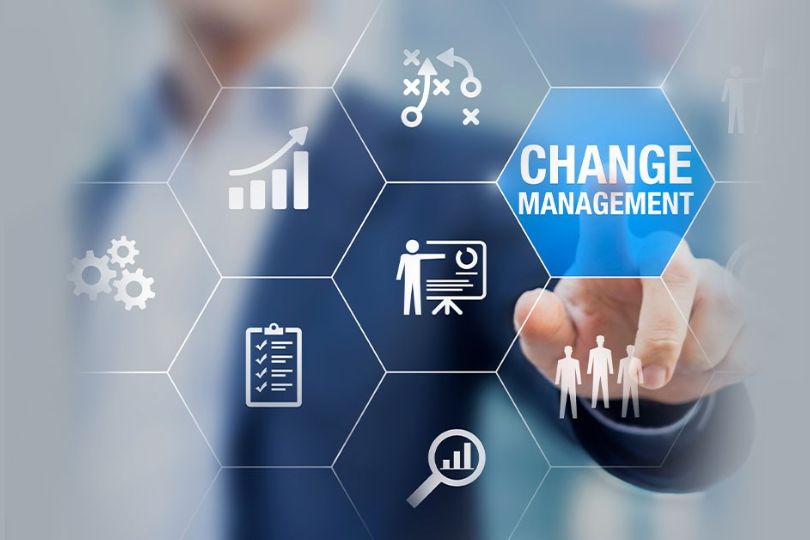
Change Management in Projects: Tips for Project Managers Change is inevitable in project management. Whether it’s a shift in project scope, new technologies, or organizational restructuring, managing change effectively is crucial for a project’s success. For project managers, embracing change management practices is not just about adapting to new conditions but also about leading teams through transformation with confidence and clarity. In this blog, we will explore essential tips for project managers to handle change effectively, mitigate risks, and ensure smoother transitions, all while keeping the project on track. 1. Understanding Change Management in Projects What is Change Management? Change management in project management refers to the process of preparing, supporting, and helping individuals, teams, and organizations adapt to changes during the course of a project. It involves handling the people side of change to ensure that transitions are smooth and that teams are aligned with new goals or ways of working. The importance of change management cannot be overstated. Research shows that projects with a structured change management process are 6 times more likely to meet their objectives and stay within budget. 2. Why is Change Management Crucial for Project Success? In the fast-paced business world, change is a constant. Managing change effectively can lead to: Increased Productivity: Teams are better equipped to handle new processes or tools. Improved Morale: Employees feel more supported and confident during transitions. Reduced Resistance: With proper communication and planning, team members are more likely to embrace changes. Greater Alignment: Ensures that the project stays on track despite evolving circumstances. Effective change management is essential for not only completing the project but also ensuring that the changes introduced add value to the organization. 3. Tips for Project Managers to Handle Change Effectively 1. Develop a Clear Change Management Strategy A well-thought-out change management strategy is the foundation for success. This strategy should outline the key steps, responsibilities, and tools needed to manage change. Actionable Insights: Identify the Need for Change: Assess what specific changes need to happen, why they are necessary, and how they align with the project’s overall objectives. Set Clear Goals: Establish measurable outcomes for the change. These goals should be specific, achievable, and aligned with project and organizational goals. Create a Communication Plan: Develop a plan to keep all stakeholders informed, including team members, clients, and other relevant parties. A comprehensive strategy helps minimize confusion and ensures all parties involved are on the same page. 2. Communicate Transparently and Frequently Communication is key to successful change management. Without clear, transparent communication, misunderstandings, and resistance to change are more likely to occur. Actionable Insights: Communicate the Why: Clearly explain why the change is happening and how it benefits the project or organization. When people understand the purpose, they are more likely to support the change. Use Multiple Channels: Use emails, meetings, presentations, and digital tools to communicate. Ensure the message reaches all team members in a format that works best for them. Provide Regular Updates: Regular communication helps keep everyone informed of progress and any adjustments to the plan. This prevents surprises and fosters trust. Effective communication ensures that everyone understands their role and how the changes will impact the project. 3. Engage Stakeholders Early On Involving key stakeholders from the beginning of the change process is essential. These are individuals or groups that have a vested interest in the success of the project and its outcome. Actionable Insights: Identify Key Stakeholders: Pinpoint the stakeholders who will be most affected by the change and those whose support is crucial for success. Solicit Feedback: Engage stakeholders in discussions about the change process. Gathering their feedback early helps to address concerns and improve the plan. Align Stakeholder Interests: Ensure that stakeholders understand how the change aligns with their needs and the project’s objectives. By involving stakeholders early, you ensure their support and reduce potential resistance. 4. Build a Supportive Team Environment Change can be unsettling, so it’s important to foster a supportive and collaborative environment. A positive team culture helps individuals feel secure during periods of transition. Actionable Insights: Provide Training and Resources: Ensure that team members are equipped with the skills and knowledge they need to succeed after the change. This may include training sessions, workshops, or access to new tools. Offer Emotional Support: Change can create anxiety, so offer emotional support to team members who may be struggling with the transition. Celebrate Wins: Acknowledge the progress made, even with small successes. This boosts morale and encourages further cooperation. A supportive environment enhances resilience and collaboration, ensuring a smoother transition. 5. Monitor and Evaluate the Change Process Change is not a one-time event—it’s a continuous process that needs ongoing monitoring. Evaluating how the change is impacting the project helps you address issues early and make necessary adjustments. Actionable Insights: Track Key Metrics: Monitor performance metrics, such as productivity, team engagement, and project timelines, to assess the effectiveness of the change. Gather Feedback: Regularly check in with team members and stakeholders to get their feedback on how the change is unfolding. Are there any issues or concerns? Make Adjustments: Be prepared to make adjustments based on feedback and performance data. If something isn’t working, be flexible and pivot where necessary. Continuous monitoring ensures that any challenges are identified and resolved before they escalate. 4. Common Challenges in Change Management and How to Overcome Them 1. Resistance to Change One of the most common challenges in managing change is resistance from team members or stakeholders. People are often set in their ways, and change can be uncomfortable. Overcoming Resistance: Address Concerns Directly: Listen to the concerns of those resisting change and address them with empathy and facts. Involve Key Influencers: Leverage the support of respected individuals within the organization who can help champion the change. Provide Support and Incentives: Offer training, resources, and even incentives for individuals who embrace the change. 2. Unclear Change Objectives If the objectives behind the change are unclear, it’s difficult for the team to align their efforts and understand

Project Management

Lessons Learned from Successful Project Failures

Lessons Learned from Successful Project Failures Failures are often seen as setbacks, but when you look deeper, they offer some of the most valuable lessons. For project managers and business leaders, the key to progress often lies not in avoiding failure altogether but in extracting insights from these experiences. In this blog, we will delve into the lessons learned from successful project failures, showcasing how even the most challenging outcomes can lead to positive transformations. By analyzing these failures, we uncover actionable strategies that can help guide your future projects to success. 1. Understanding Project Failures: More Than Just Mistakes What Constitutes a “Successful Failure”? At first glance, failure may seem like a negative outcome. However, a “successful failure” refers to situations where projects didn’t meet their objectives but still provided valuable insights. These failures are critical learning experiences that, when analyzed, can help organizations refine their processes, improve decision-making, and avoid future pitfalls. A few key signs of a successful failure include: The project led to key insights or data: Even if the project didn’t achieve its goals, it revealed areas that need improvement. The failure spurred positive changes in the approach: The organization learned from its mistakes and adjusted its strategies or operations. The team was able to innovate and adapt: Rather than being discouraged, the failure became a platform for creativity and improvement. In the following sections, we will look at specific lessons learned from these experiences. 2. Key Lessons from Successful Project Failures 1. Clear Communication is Key A lack of clear communication often leads to misunderstandings, misalignment, and mistakes that can derail a project. Many project failures, even those deemed successful, stemmed from gaps in communication between team members, stakeholders, and clients. Actionable Insights: Establish Clear Channels: Ensure that there are well-defined communication channels for all parties involved. This may include regular meetings, detailed reports, and feedback loops. Promote Open Dialogue: Encourage team members and stakeholders to share concerns, feedback, and ideas early in the process. Clarify Expectations: Everyone involved in the project should understand the objectives, deadlines, and their roles. Document these expectations clearly. Improving communication will help reduce misunderstandings and keep projects on track. 2. Risk Management is Critical In many successful project failures, the lack of adequate risk management was a key contributing factor. Risk management involves identifying potential risks early, creating mitigation strategies, and preparing for the unexpected. Actionable Insights: Conduct Risk Assessments: Prior to starting a project, analyze potential risks and their impact. Consider financial, technological, and human factors. Create Contingency Plans: Develop backup plans that can be implemented if things go wrong. This ensures that your team is prepared for unforeseen challenges. Monitor Risks Continuously: Regularly assess risks throughout the project. Use tools like risk registers to track and address risks dynamically. By improving your risk management processes, you can significantly reduce the likelihood of failure. 3. The Importance of Flexibility and Adaptability One of the most important lessons from project failures is the need for flexibility. Projects often fail when teams stick rigidly to a plan despite changing conditions. Adaptability, on the other hand, ensures that you can pivot when necessary and still achieve your goals. Actionable Insights: Embrace Agile Methodologies: Agile practices allow for flexibility, quick adjustments, and regular iterations. This approach helps teams adapt to changing circumstances. Encourage Innovation: Foster a culture where employees feel empowered to propose changes to the plan or process as new information becomes available. Stay Open to Feedback: Regularly solicit feedback from stakeholders, customers, and team members. This can provide valuable insights into how the project can evolve. By staying flexible, you increase your chances of turning failure into a learning opportunity. 4. Set Realistic Goals and Expectations Overly ambitious goals are a common reason for project failures. Setting unrealistic expectations can lead to underperformance, frustration, and burnout. Successful project failures often teach the importance of realistic goal-setting. Actionable Insights: Break Projects into Manageable Phases: Large projects can seem overwhelming. Break them down into smaller, manageable chunks with specific, achievable milestones. Ensure Stakeholder Alignment: Get buy-in from key stakeholders early on and set expectations that are both challenging and attainable. Use Data to Guide Decisions: Leverage data and analytics to set measurable and realistic goals that align with your team’s capabilities. By being more realistic with your goals, you ensure that the project remains achievable and that stakeholders remain confident in its success. 5. Focus on Team Collaboration and Support Project failures are often linked to poor team dynamics and lack of support. Teams that fail to collaborate effectively can experience delays, confusion, and ultimately, failure to meet objectives. Actionable Insights: Foster Team Cohesion: Invest in team-building activities that encourage collaboration and communication. Teams that work well together are better at overcoming obstacles. Provide Adequate Training: Ensure your team has the necessary skills and knowledge to succeed. Providing training ensures everyone is on the same page. Offer Support and Resources: Make sure your team has the tools and resources they need to succeed. Supportive leadership can make all the difference when challenges arise. Collaboration is the cornerstone of project success. When teams work together seamlessly, they can navigate challenges and overcome obstacles. 3. Turning Failure into Opportunity While a successful project failure may not yield the desired outcome, it can still be an opportunity for growth and innovation. The key is to view failure as a stepping stone to success, rather than a defeat. 1. Learn from Mistakes Every failure provides valuable lessons. To ensure that future projects benefit from past mistakes, it is essential to conduct a thorough post-mortem analysis. Actionable Insights: Conduct After-Action Reviews: After a project fails, bring the team together to analyze what went wrong and what could be done better. Document Lessons Learned: Create a lessons-learned document that captures key takeaways. Share this with future project teams. Apply Insights to Future Projects: Use the lessons learned to improve processes and decision-making for future projects. By learning from mistakes, you can refine your approach and improve

Project Management

Best Practices for Stakeholder Communication in 2025

Best Practices for Stakeholder Communication in 2025 In today’s fast-paced, digitally-driven world, effective communication with stakeholders is more critical than ever. As we move into 2025, the landscape of stakeholder communication continues to evolve, driven by new technologies, changing expectations, and a growing emphasis on transparency and collaboration. In this blog, we will explore the best practices for stakeholder communication that project managers, business leaders, and teams can adopt in 2025 to build stronger relationships, foster trust, and achieve successful outcomes. 1. Understanding Stakeholder Communication in 2025 Stakeholder communication refers to the process of exchanging information with individuals or groups who have an interest in the outcomes of a project or business. In 2025, stakeholders are more diverse, ranging from employees and customers to investors, suppliers, regulatory bodies, and even communities. Why is Stakeholder Communication Important? Builds Trust: Transparent and consistent communication fosters trust, which is essential for project success. Ensures Alignment: Regular communication ensures all stakeholders are aligned with the project’s objectives, timelines, and goals. Reduces Risks: Effective communication helps in identifying potential issues early, minimizing the risks of miscommunication, and addressing concerns promptly. 2. Best Practices for Effective Stakeholder Communication in 2025 1. Leverage Digital Tools and Platforms The digital transformation of communication tools has made it easier than ever to engage with stakeholders. As we approach 2025, businesses must continue to embrace these tools to streamline communication. Actionable Tips: Use Project Management Software: Tools like Trello, Asana, and Monday.com allow teams and stakeholders to stay updated on project progress in real time. They enable task tracking, document sharing, and direct communication. Webinars and Video Conferencing: Platforms like Zoom, Microsoft Teams, and Google Meet are essential for virtual meetings, especially when dealing with remote or international stakeholders. Collaborative Platforms: Slack, Microsoft Teams, and Google Workspace foster better collaboration by offering chat channels, file-sharing capabilities, and direct messaging. By embracing these tools, you can ensure stakeholders have access to the latest information and can communicate effectively regardless of location. 2. Personalize Communication Every stakeholder is unique, with different interests, concerns, and communication preferences. Personalizing your communication approach ensures that you engage each stakeholder effectively and meaningfully. Actionable Tips: Segment Stakeholders: Identify key groups of stakeholders (e.g., executives, customers, suppliers) and tailor your communication based on their specific needs and interests. Use Personalized Messaging: Avoid generic emails or messages. Personalize content based on the stakeholder’s role, preferences, and past interactions. Consider Preferred Channels: Some stakeholders may prefer email, while others prefer phone calls or video meetings. Ask for their preferred communication methods and respect those choices. Personalized communication helps in strengthening relationships and improving engagement, as stakeholders feel valued and understood. 3. Prioritize Transparency and Honesty Transparency is one of the most critical elements of effective stakeholder communication. In 2025, stakeholders expect honesty and openness, particularly regarding project challenges, risks, and changes. Actionable Tips: Share Updates Regularly: Keep stakeholders informed with frequent updates on project progress, changes, and any potential setbacks. Regular reports and status updates can be shared through emails, dashboards, or meetings. Acknowledge Challenges Early: If issues arise, address them promptly. Stakeholders appreciate proactive communication, and being upfront about challenges builds credibility and trust. Be Transparent About Successes: Don’t only communicate problems—celebrate wins and milestones too. Acknowledge the contributions of stakeholders when milestones are achieved. Being transparent and honest builds a positive reputation and helps in managing expectations effectively. 4. Use Visuals for Clear Communication In a world full of data and information, visuals can be incredibly effective in conveying complex ideas and updates to stakeholders. In 2025, utilizing visuals will be essential for clarity and engagement. Actionable Tips: Create Infographics: Infographics make it easier to understand key metrics, progress reports, and timelines. Tools like Canva and Piktochart allow easy creation of infographics. Share Interactive Dashboards: Tools like Power BI and Tableau allow the creation of interactive dashboards that stakeholders can explore to get real-time insights. Visual Timelines and Roadmaps: Use tools like Gantt charts to visually represent project timelines, milestones, and dependencies. Visual communication not only enhances understanding but also makes information more engaging and memorable for stakeholders. 5. Foster Two-Way Communication Stakeholder communication shouldn’t be a one-way street. Encouraging feedback and dialogue helps to create a sense of involvement and ensures that stakeholders have a voice in the process. Actionable Tips: Conduct Surveys and Polls: Use surveys or polls to gather feedback from stakeholders on various aspects of the project. Tools like SurveyMonkey and Google Forms can be effective for this purpose. Host Focus Groups or Q&A Sessions: For key stakeholders, organizing focus groups or Q&A sessions can help understand their concerns, expectations, and suggestions. Monitor Social Media: Engage with stakeholders on social media platforms if relevant. Monitoring social media can help gauge public sentiment and respond to any concerns promptly. Two-way communication ensures that stakeholders feel valued and fosters a collaborative environment where concerns and ideas are actively addressed. 3. Adapting to Stakeholder Communication Trends in 2025 1. AI and Automation in Communication Artificial Intelligence (AI) and automation are playing an increasingly important role in stakeholder communication. In 2025, these technologies will continue to enhance communication efficiency and personalization. Actionable Tips: Chatbots for Immediate Responses: Use AI-powered chatbots on your website or app to answer stakeholders’ questions instantly, offering round-the-clock support. Automated Reports: Use AI to generate automated reports and status updates for stakeholders, ensuring they always have the most up-to-date information without delays. Predictive Analytics: AI tools can help predict stakeholder concerns or preferences by analyzing data, allowing you to anticipate needs and tailor communication accordingly. AI and automation help streamline communication, reduce manual effort, and enhance personalization, allowing for quicker and more efficient responses. 2. Hybrid and Remote Communication Models With remote work becoming a norm, communication strategies must adapt to hybrid and remote environments. In 2025, businesses will continue to rely on a mix of in-person and virtual interactions. Actionable Tips: Virtual Engagement Tools: Invest in tools like Zoom, Miro, and Mural for virtual collaboration and meetings that allow remote stakeholders

Project Management

Sustainable Project Management: Integrating Green Practices

Sustainable Project Management: Integrating Green Practices As the world becomes increasingly focused on sustainability, businesses and organizations must adapt to new environmental expectations. This shift extends to project management, where integrating green practices not only contributes to a healthier planet but also offers long-term benefits for the organization. Sustainable project management involves balancing the demands of completing projects successfully while minimizing environmental impact. In this blog, we’ll explore actionable strategies for integrating green practices into project management processes and how you can contribute to sustainability through your projects. 1. The Importance of Sustainable Project Management Environmental Impact and Responsibility With climate change, resource depletion, and waste accumulation becoming more pressing issues, the demand for sustainable practices in all areas of business is on the rise. Project managers play a key role in driving change by incorporating eco-friendly strategies in every phase of the project lifecycle. Whether you’re working on a construction project, developing a new product, or implementing a service, sustainable project management ensures that you’re reducing environmental harm and fostering long-term sustainability. Benefits of Sustainable Practices in Project Management Integrating sustainability into your projects has numerous benefits: Cost Savings: Reducing energy usage, waste, and raw material consumption can lead to significant cost savings over time. Enhanced Reputation: Projects that emphasize sustainability can boost a company’s public image, attract eco-conscious customers, and enhance its brand reputation. Regulatory Compliance: Governments around the world are enforcing stricter environmental regulations. Sustainable project management helps ensure compliance with these laws and standards. Improved Efficiency: Sustainable practices often lead to better resource utilization, reducing waste and improving project timelines. 2. Key Principles of Sustainable Project Management 1. Resource Efficiency Efficient use of resources is at the heart of sustainable project management. Resource efficiency means using fewer resources to accomplish project goals, which in turn reduces waste and energy consumption. Actionable Tips: Use Energy-Efficient Technologies: Implement energy-saving equipment and technologies throughout the project lifecycle. Minimize Waste: Plan for waste reduction by recycling materials and optimizing the use of raw materials. 2. Sustainable Sourcing and Materials Sustainable sourcing involves choosing suppliers and materials that align with environmental principles, such as renewable resources, locally sourced products, and materials that are biodegradable or recyclable. Actionable Tips: Choose Sustainable Materials: Select products with a low environmental footprint, such as recycled or biodegradable materials. Evaluate Suppliers: Partner with suppliers who prioritize sustainability, ensuring that the products or services they provide are eco-friendly. 3. Eco-Friendly Project Design The design phase of a project is crucial for integrating sustainable practices. By focusing on green design principles from the outset, you can reduce environmental impact and create a more sustainable final product or service. Actionable Tips: Design for Energy Efficiency: Plan for buildings, products, or systems that minimize energy consumption. Optimize Space and Materials: Reduce the need for excess materials and optimize space to ensure efficient usage. 3. Steps to Integrating Green Practices in Project Management 1. Set Clear Sustainability Goals One of the first steps in any sustainable project is defining clear sustainability objectives. These goals should align with the overall business strategy, be measurable, and incorporate both short- and long-term environmental targets. Actionable Tips: Define Key Performance Indicators (KPIs): Measure the environmental impact of your projects with KPIs such as carbon footprint, waste reduction, and resource conservation. Involve Stakeholders: Ensure that your sustainability goals are supported by all key stakeholders, including clients, team members, and suppliers. 2. Plan for Sustainability from the Start Incorporating green practices should be part of the project’s overall planning and strategy. Sustainability must be considered during every stage of the project lifecycle—from inception to completion. Actionable Tips: Conduct a Sustainability Assessment: At the start of each project, evaluate potential environmental impacts and identify areas for improvement. Develop a Green Project Plan: Integrate environmental considerations into the project scope, timeline, and budget. 3. Implement Green Procurement Processes Green procurement involves sourcing environmentally friendly products and services that minimize ecological impact. This process should focus on purchasing products that are energy-efficient, have a long lifecycle, and come from sustainable sources. Actionable Tips: Create Green Procurement Guidelines: Set up a procurement policy that prioritizes sustainability when choosing materials, products, or services. Negotiate with Suppliers: Work with suppliers to identify eco-friendly alternatives and secure better pricing for sustainable materials. 4. Engage and Educate the Project Team Successful integration of sustainable practices requires buy-in from the entire project team. Educating team members on the importance of sustainability and empowering them to contribute ideas can significantly improve project outcomes. Actionable Tips: Conduct Workshops and Training: Host sustainability training sessions to ensure that everyone involved in the project understands their role in achieving environmental goals. Encourage Team Input: Solicit ideas from team members on how to make the project more sustainable. 4. Tools and Technologies for Sustainable Project Management 1. Project Management Software with Sustainability Features Modern project management software can help project managers track sustainability goals and improve resource management. Many tools now include features that allow for carbon footprint tracking, waste management, and the integration of green metrics. Actionable Tips: Use Tools like Monday.com or Asana: These platforms can help you track sustainable practices by assigning specific tasks related to eco-friendly goals. Integrate Sustainability Metrics: Incorporate sustainability KPIs into project dashboards for real-time tracking. 2. Green Certifications and Standards There are various green certifications and standards that can guide project managers in their sustainability efforts. Examples include LEED (Leadership in Energy and Environmental Design) for buildings, ISO 14001 for environmental management, and Green Seal for products. Actionable Tips: Pursue Green Certifications: Strive for recognized sustainability certifications that can enhance the credibility of your project and demonstrate a commitment to the environment. Comply with ISO Standards: Integrate ISO 14001 or similar environmental management systems to improve resource management and reduce environmental impact. 5. Challenges and Solutions in Sustainable Project Management 1. High Initial Costs While sustainable practices can lead to long-term savings, they often come with higher upfront costs, such as purchasing eco-friendly materials or implementing energy-efficient systems. Solution: Long-Term Savings: Focus

Project Management

Mental Health for Project Managers: Strategies to Manage Stress

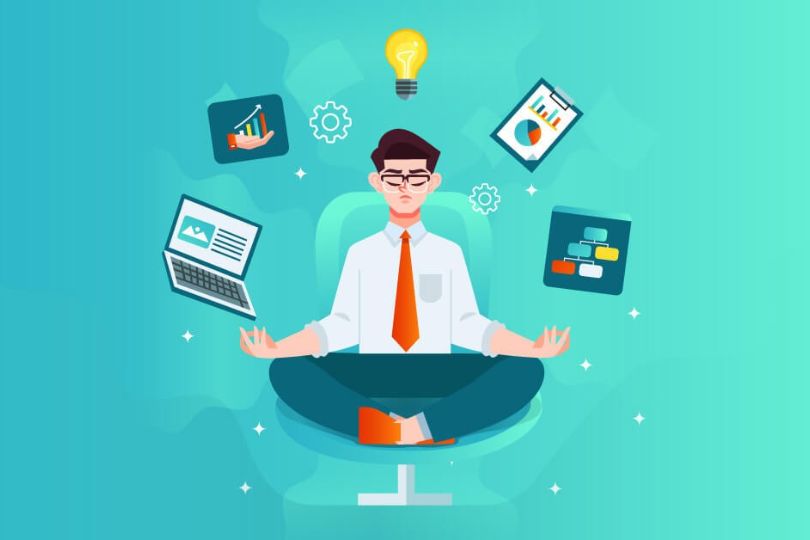
Mental Health for Project Managers: Strategies to Manage Stress Project managers are often at the forefront of high-pressure environments, balancing multiple tasks, tight deadlines, and complex team dynamics. These constant demands can lead to stress, burnout, and mental health challenges. For project managers, managing their mental health is just as crucial as managing the projects themselves. In this blog, we’ll explore the mental health challenges project managers face and provide actionable strategies to manage stress, maintain well-being, and boost productivity. 1. The Mental Health Challenges of Project Managers The Pressure of Project Deadlines One of the most significant stressors for project managers is tight deadlines. The pressure to deliver projects on time, within budget, and according to quality standards can be overwhelming. The fear of failing to meet client expectations can trigger anxiety and contribute to long hours and sleepless nights. Managing Complex Team Dynamics Project managers are responsible for leading teams with diverse skills, personalities, and work styles. Navigating conflicting interests, mediating disagreements, and maintaining team morale can be emotionally taxing. Unresolved conflicts or poor communication within the team can amplify stress levels. Handling Unexpected Changes No project is ever truly “smooth sailing.” Changes in scope, resource availability, or client requirements can cause stress, as project managers must quickly adjust plans and expectations. Uncertainty and ambiguity are common in project management, which can lead to feelings of being overwhelmed or out of control. The Burden of Responsibility Project managers often carry the weight of the project’s success or failure on their shoulders. The responsibility to deliver results can create immense pressure. Additionally, the need to manage stakeholder expectations and report progress regularly can contribute to feelings of stress. 2. Recognizing the Signs of Stress and Burnout Understanding the symptoms of stress and burnout is crucial for preventing mental health challenges from escalating. Project managers who ignore their stress levels risk their well-being and the success of their projects. Common Symptoms of Stress: Physical Symptoms: Headaches, muscle tension, fatigue, and sleep disturbances. Emotional Symptoms: Irritability, anxiety, and feelings of helplessness. Behavioral Symptoms: Increased absenteeism, procrastination, or disengagement. Cognitive Symptoms: Difficulty concentrating, memory lapses, and indecision. Burnout Signs: Chronic Fatigue: Feeling mentally and physically exhausted despite adequate rest. Decreased Motivation: A sense of detachment from work or a lack of enthusiasm for tasks. Irritability: A low tolerance for stress or conflicts, often resulting in emotional outbursts. Reduced Performance: Inability to meet expectations or deliver work at previous standards. 3. Stress Management Strategies for Project Managers 1. Prioritize Self-Care To manage stress effectively, project managers must make self-care a priority. While it may seem like there is no time for personal well-being, neglecting self-care only exacerbates stress. Regular exercise, a balanced diet, and adequate sleep are vital components of maintaining mental health. Exercise: Even a short walk can help reduce stress and increase energy levels. Sleep: Aim for 7-9 hours of sleep per night to enhance cognitive function and emotional regulation. Nutrition: Eating a well-balanced diet improves overall energy levels and mental clarity. 2. Set Realistic Goals and Expectations Project managers often face unrealistic expectations from stakeholders or clients. Setting clear, achievable goals is essential for maintaining a manageable workload. Break large projects into smaller tasks to reduce the feeling of being overwhelmed. Use SMART Goals: Specific, Measurable, Achievable, Relevant, and Time-bound goals help keep projects on track. Set Boundaries: Clearly define your working hours and ensure you communicate them to stakeholders to avoid burnout. 3. Delegate and Empower Your Team Trying to do everything yourself can quickly lead to burnout. Delegation is key to managing stress. Empower your team by trusting them with tasks that align with their skills and expertise. This not only eases your workload but also fosters a sense of ownership and collaboration within the team. Delegate Tasks Based on Strengths: Assign tasks based on each team member’s strengths and capabilities. Encourage Autonomy: Provide guidance but avoid micromanaging. Trust your team to deliver. 4. Practice Mindfulness and Stress-Reduction Techniques Mindfulness techniques such as deep breathing, meditation, and progressive muscle relaxation can help reduce stress and improve focus. Incorporating these practices into your daily routine can make a significant difference in how you manage stress. Deep Breathing: Focus on slow, deep breaths to activate the body’s relaxation response. Mindful Moments: Take short breaks throughout the day to reset and focus your thoughts. Progressive Muscle Relaxation: Tense and then release different muscle groups to reduce physical tension. 5. Maintain Clear Communication Clear and consistent communication is critical in preventing misunderstandings and reducing stress. As a project manager, it’s essential to keep all stakeholders informed about project progress, risks, and changes. Proactive communication helps prevent issues from escalating and reduces the mental load. Frequent Check-ins: Regularly update your team and stakeholders on project status and upcoming tasks. Manage Expectations: Be transparent about project challenges and any potential delays to avoid last-minute pressure. 6. Seek Support and Mentorship No project manager should feel like they are managing everything alone. Seek support from colleagues, mentors, or peers to help cope with stress. Sometimes, talking through a problem with someone who understands can help you gain perspective and find solutions. Mentorship: Find a mentor who can provide guidance and support, especially when dealing with complex projects. Support Networks: Build a network of peers who can offer advice or just listen when things get tough. 4. Building a Healthy Work Environment Creating a supportive and healthy work environment is key to reducing stress for yourself and your team. As a project manager, fostering a positive culture within your team can have a significant impact on mental well-being. Tips for a Positive Work Environment: Encourage Open Communication: Foster an atmosphere where team members feel comfortable discussing challenges and ideas. Promote Work-Life Balance: Respect personal time and encourage your team to disconnect from work when necessary. Celebrate Successes: Recognize and celebrate milestones, no matter how small, to keep morale high. 5. When to Seek Professional Help While stress is a natural part of project management, it’s

    This will close in 0 seconds