Welcome to DreamsPlus

Project Management

The Importance of Documentation in Remote Project Management

The Importance of Documentation in Remote Project Management Remote project management presents unique challenges that require a mix of strong communication, collaboration, and well-defined processes. Among these, one of the most essential yet often overlooked aspects is documentation. Proper documentation is vital to ensure smooth project execution, efficient workflows, and a transparent working environment, especially when teams are dispersed across various locations. In this blog, we’ll explore the importance of documentation in remote project management and provide actionable insights on how to create and maintain effective documentation to support your team’s success. 1. Why Documentation is Crucial in Remote Projects In traditional office settings, team members can easily communicate face-to-face, resolve misunderstandings quickly, and rely on verbal instructions. In a remote setup, however, communication is primarily done via digital means, making clear and structured documentation even more critical. Benefits of Documentation in Remote Project Management: Clarity and Consistency: Documentation ensures that everyone has access to the same information, minimizing misunderstandings and maintaining consistency. Collaboration Efficiency: Clear documents allow team members to collaborate effectively without the need for constant back-and-forth communication. Accountability: Written records clarify who is responsible for what tasks and ensure that nothing falls through the cracks. Onboarding and Training: Well-organized documentation helps new team members get up to speed quickly, improving onboarding efficiency. Knowledge Retention: In a remote environment, where employees may come and go, documentation preserves vital knowledge and project details. 2. Types of Documentation in Remote Project Management Different types of documentation are required at various stages of a project to maintain clarity and organization. Here are the key types that every remote team should focus on: 1. Project Plans and Roadmaps A comprehensive project plan is the foundation of any project. It outlines the goals, timelines, resources, and milestones, providing a clear direction for the team. Key Elements to Include: Project objectives Deliverables and timelines Roles and responsibilities Resources and tools needed Why It’s Important: A well-documented project plan ensures that everyone knows the scope, deadlines, and expectations, even when working from different locations. 2. Communication Guidelines Effective communication is a cornerstone of successful remote project management. Clear documentation of communication guidelines helps teams stay on the same page. Key Elements to Include: Preferred tools (e.g., Slack for quick chats, Zoom for meetings) Response times for emails and messages Frequency of team meetings and check-ins Expectations for meeting agendas and follow-up actions Why It’s Important: Without face-to-face interactions, remote teams need clear communication protocols to avoid confusion and delays. This ensures that all team members can access relevant information promptly. 3. Standard Operating Procedures (SOPs) SOPs document the processes and workflows that the team follows for different tasks. These documents help streamline operations and provide guidance on how to complete recurring tasks. Key Elements to Include: Step-by-step instructions for common tasks Tools and software to be used Roles responsible for different steps Deadlines and quality standards Why It’s Important: SOPs ensure consistency and efficiency across the team. They make sure that even when team members are working independently, the same procedures are followed. 4. Meeting Notes and Action Items Documenting meeting discussions, decisions, and action items is essential in remote project management. This ensures that no important points are missed, and all team members are aligned. Key Elements to Include: Date and time of the meeting Attendees and absent members Key discussion points Action items, assigned owners, and deadlines Why It’s Important: With remote teams, it’s easy to forget or misinterpret discussions. Meeting notes provide a clear reference for what was agreed upon and help team members stay accountable for their tasks. 5. Progress Reports and Updates Regularly documented progress reports help stakeholders stay informed about project status and any roadblocks the team may be facing. These reports should be updated consistently. Key Elements to Include: Task progress (completed, in progress, pending) Milestones achieved Potential challenges or delays Upcoming tasks or deadlines Why It’s Important: Progress reports provide transparency, help identify risks early on, and ensure that everyone is aligned with the project’s goals. 3. Best Practices for Remote Project Documentation While documentation is crucial, how you implement it can make a significant difference. Here are some best practices to ensure your project documentation is effective and accessible: 1. Keep Documentation Organized Clear organization is key to ensuring that everyone can easily find the information they need. Use folders, tags, and naming conventions to categorize documents. Tips for Organization: Use cloud-based tools like Google Drive, Dropbox, or OneDrive for easy access. Create a consistent folder structure (e.g., “Project Plan,” “Meeting Notes,” “SOPs”). Use clear file names (e.g., “Q1 Project Plan” or “Meeting Notes – 2025-01-18”). 2. Update Documents Regularly Documentation should never be static. Keep your documents updated to reflect any changes, such as shifting project timelines, updated task statuses, or new team members. Tips for Updates: Assign someone to oversee documentation updates. Set reminders to review and revise documents periodically. Make use of version control tools to track changes. 3. Use Collaborative Tools Leverage collaborative tools that allow team members to contribute to and comment on documents in real-time. This fosters a collaborative environment and ensures that everyone has input. Tools to Consider: Google Docs for live collaboration. Trello or Asana for task and project tracking. Confluence for creating knowledge bases and documentation. 4. Make Documents Accessible Ensure that all team members can easily access documentation, regardless of their location or time zone. Cloud-based solutions provide universal access, but it’s also important to ensure compatibility with the team’s devices. Tips for Accessibility: Use cross-platform tools that work on mobile, tablet, and desktop. Avoid using overly complex software that may create barriers for less tech-savvy team members. 5. Keep It Simple and Concise Documentation should be clear, concise, and to the point. Avoid excessive jargon, and use bullet points, headings, and simple language to ensure that everyone can easily understand and navigate the documents. 4. Tools for Remote Project Documentation Several tools can assist in maintaining effective remote project documentation. Here are some popular

Project Management

Implementing Agile Metrics to Measure Project Success

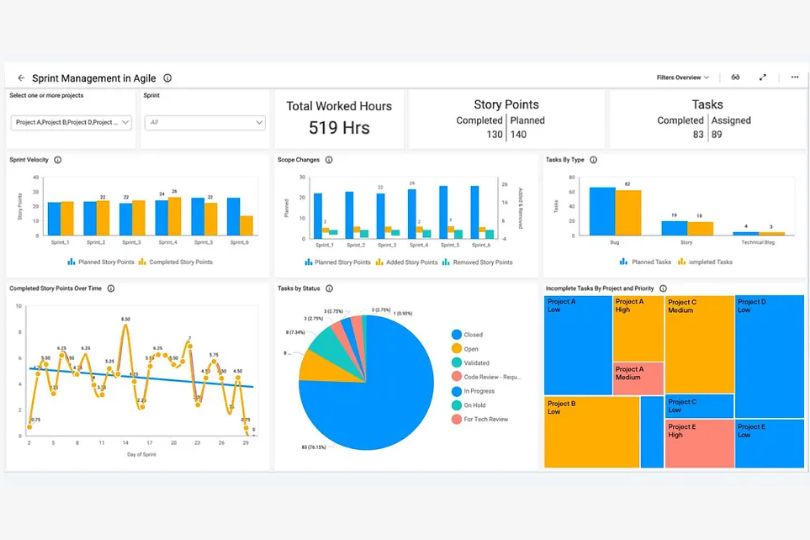
Implementing Agile Metrics to Measure Project Success Agile methodologies have revolutionized the way teams approach project management. With its emphasis on flexibility, collaboration, and incremental progress, agile has become the go-to framework for many businesses. However, while agile emphasizes adaptability, it’s equally important to measure progress and success. This is where agile metrics come into play. Agile metrics are essential for tracking the effectiveness of agile processes, ensuring that teams are on track, and delivering value to stakeholders. These metrics provide insights into both the team’s productivity and the project’s success. In this blog, we’ll explore how to implement agile metrics and how they can help measure project success. 1. Why Agile Metrics Matter Before diving into specific metrics, it’s important to understand why they are necessary in an agile environment. In agile projects, teams work iteratively, often in short cycles known as sprints. This dynamic environment requires real-time insights to help teams stay aligned with project goals and stakeholders’ expectations. Key Benefits of Agile Metrics: Measure Team Performance: Metrics help teams understand their capacity, velocity, and areas of improvement. Enhance Predictability: Metrics like cycle time and burn-down charts offer insights into how long tasks will take, enabling better planning. Continuous Improvement: Agile metrics highlight inefficiencies, providing opportunities for teams to optimize their workflows. Improve Communication: Agile metrics create transparency, helping team members and stakeholders understand the project’s progress at a glance. 2. Key Agile Metrics for Measuring Project Success Agile metrics vary depending on the type of project and team, but there are several common metrics that can be used across different projects. These metrics provide a clear view of a team’s productivity and the overall project health. 1. Velocity Velocity is a measure of the amount of work a team completes during a sprint. It’s typically measured in story points, which represent the complexity of tasks. Velocity helps predict how much work a team can handle in future sprints. How to Implement: Track the total story points completed in each sprint. Compare velocity over several sprints to assess consistency or improvement. Use velocity to estimate future sprint capacity. Why It’s Important: Velocity helps with sprint planning by providing a historical measure of how much work can be realistically completed. It ensures that teams aren’t overburdened and that the project progresses at a steady pace. 2. Burn-Down Chart A burn-down chart shows how much work remains in a sprint or project. It tracks the progress of tasks from the backlog and provides a visual representation of the work left to do. How to Implement: Plot the total work (in story points) remaining at the start of the sprint. Track daily progress by updating the burn-down chart. Ensure that the line on the chart slopes downward, indicating that work is being completed. Why It’s Important: A burn-down chart provides transparency into project progress, making it easy to see if the team is on track to meet sprint goals. It also highlights potential delays or obstacles early on. 3. Cycle Time Cycle time measures the total time it takes to complete a task from the moment work begins until it’s finished. It’s an important metric for understanding how quickly the team is delivering value. How to Implement: Track the time it takes for tasks to move through each stage of the process. Measure from when the work begins to when it’s marked as done. Identify stages where work is getting delayed and investigate potential bottlenecks. Why It’s Important: Shorter cycle times generally mean faster delivery of value to customers. Monitoring cycle time helps identify areas where the team can improve efficiency. 4. Lead Time Lead time is similar to cycle time but measures the entire time from when a request is made until the task is completed. It includes waiting time in the backlog, which cycle time does not. How to Implement: Track the time from when a task is added to the backlog to when it’s completed. Identify delays in the backlog or during the task prioritization phase. Why It’s Important: Lead time is useful for understanding how long it takes to fulfill customer requests. A reduction in lead time can increase customer satisfaction by delivering solutions faster. 5. Cumulative Flow Diagram (CFD) A cumulative flow diagram tracks the flow of work through different stages, such as “To Do,” “In Progress,” and “Done.” It helps identify bottlenecks and visualizes the overall flow of the project. How to Implement: Visualize the work in each column of your Kanban board. Plot the cumulative amount of work in each stage over time. Look for spikes in any stage, indicating a bottleneck. Why It’s Important: The CFD provides insight into how smoothly the work is flowing through the system. It allows teams to identify issues before they become major blockers. 6. Work in Progress (WIP) Work in progress is the number of tasks or stories that are actively being worked on at any given time. It helps prevent overloading the team and ensures that work is completed before new tasks are started. How to Implement: Set WIP limits for each stage of the workflow. Track the number of tasks in progress at any time. Use WIP limits to avoid overburdening the team and to ensure focus on completing tasks. Why It’s Important: WIP limits ensure that the team is not stretched too thin and helps prioritize completing tasks before starting new ones. Reducing WIP can improve flow and focus. 3. Implementing Agile Metrics: Best Practices Implementing agile metrics effectively is key to driving continuous improvement and ensuring the success of agile projects. Here are some best practices for successfully using agile metrics: 1. Use Metrics to Drive Improvement Agile metrics should not just be tracked for reporting purposes. Use them to identify areas for improvement. For example, if your cycle time is increasing, this could signal inefficiencies in the process that need attention. 2. Keep Metrics Simple and Relevant Avoid tracking too many metrics. Focus on the ones that provide the most value

Project Management

Best Practices for Virtual Project Team Building

Best Practices for Virtual Project Team Building In today’s world of remote work and global teams, virtual project team building is more important than ever. With teams spread across various locations and time zones, ensuring strong collaboration, trust, and productivity requires a strategic approach. Building a cohesive and high-performing virtual team can be challenging, but with the right best practices in place, you can foster an environment where your team can thrive, even from a distance. In this blog, we’ll explore the key best practices for virtual project team building, from communication strategies to fostering a positive team culture. These actionable insights will help you navigate the complexities of virtual collaboration and achieve successful project outcomes. 1. Clear Communication Is Key One of the biggest challenges in virtual project team building is maintaining effective communication. When team members are not in the same physical space, it’s easy for messages to get lost or misunderstood. Key Strategies: Use Multiple Communication Tools: Leverage a combination of tools like video calls, messaging apps, and project management software. Platforms like Slack, Microsoft Teams, and Zoom can help facilitate different types of communication depending on the need—whether for quick chats, in-depth discussions, or face-to-face meetings. Establish Communication Guidelines: Set clear expectations for communication within your team. Define how often team members should check in, what platforms they should use for different types of messages, and when to escalate issues. Over-Communicate: In virtual teams, it’s often better to over-communicate than under-communicate. Regular updates and check-ins help keep everyone aligned and avoid any confusion. 2. Foster Trust and Transparency Building trust in a virtual environment can be more difficult, as there’s less opportunity for informal interactions. However, trust is essential for a high-functioning virtual team. Key Strategies: Be Transparent: Keep team members informed about project goals, timelines, and any challenges or changes. Transparency builds trust and helps everyone feel they are working towards the same objectives. Encourage Open Feedback: Create a culture where team members feel comfortable providing feedback, both positive and constructive. Regular feedback sessions can improve performance and strengthen relationships within the team. Lead by Example: Leaders should demonstrate honesty, reliability, and accountability. Your actions will set the tone for the entire team. 3. Define Roles and Responsibilities Clearly In any team, clarity is crucial, but it becomes even more important in virtual environments where team members can’t easily check in with one another. Define each team member’s roles and responsibilities to avoid confusion and inefficiency. Key Strategies: Set Clear Expectations: Define the deliverables, timelines, and responsibilities for each team member. Use project management tools like Trello, Asana, or Jira to track tasks and ensure everyone knows what they are responsible for. Use Role Descriptions: Clearly outline each team member’s role, including their specific tasks, how they contribute to the project, and who they report to. This reduces overlap and potential conflicts. Monitor Progress: Regularly track progress and adjust workloads as necessary. This helps ensure that no one is overwhelmed and that tasks are being completed on time. 4. Leverage Technology for Collaboration Without the ability to meet in person, technology plays a key role in fostering collaboration within virtual project teams. The right tools can streamline communication, manage tasks, and track project progress. Key Strategies: Project Management Software: Tools like Asana, Basecamp, or Monday.com are perfect for organizing tasks, setting deadlines, and tracking milestones. These tools help keep everyone on the same page and ensure accountability. Collaboration Platforms: Tools like Google Drive, Dropbox, or Microsoft OneDrive allow for real-time collaboration on documents, spreadsheets, and presentations, ensuring that team members can work together even when they’re miles apart. Time Zone Management: For teams spread across multiple time zones, use scheduling tools like World Time Buddy or Time Zone Converter to find suitable meeting times. Consider rotating meeting times to accommodate everyone’s time zone. 5. Foster a Positive Team Culture Even in a virtual environment, team culture is critical to success. A positive team culture promotes collaboration, motivation, and engagement. Key Strategies: Virtual Team-Building Activities: Engage your team with regular virtual team-building activities, such as online games, virtual happy hours, or even simple ice-breaker sessions. These activities can help build rapport and trust among team members, even from afar. Recognize Achievements: Publicly acknowledge individual and team accomplishments, whether big or small. Recognition fosters a sense of belonging and boosts morale. Celebrate Milestones: Celebrate project milestones, birthdays, or work anniversaries virtually. Simple gestures of recognition help build a more cohesive team. 6. Encourage Flexibility and Work-Life Balance In virtual teams, members often face challenges in balancing work with personal life, especially when they work from home. Encouraging a healthy work-life balance can prevent burnout and increase productivity. Key Strategies: Flexible Schedules: Allow flexibility in work hours, especially if your team is located in different time zones. This flexibility can improve job satisfaction and help maintain a healthier work-life balance. Encourage Breaks: Remind your team to take regular breaks. Long hours in front of a screen can lead to burnout, so encourage team members to step away from their computers when needed. Respect Personal Time: Avoid sending messages or expecting work outside of designated hours. This respect for personal time promotes a healthier and more sustainable work environment. 7. Maintain Accountability and Motivation In a virtual environment, it’s easy for team members to feel disconnected from the project or the team’s overall goals. Maintaining accountability and motivation is essential to ensuring productivity and project success. Key Strategies: Set Clear Deadlines: Define realistic deadlines and hold team members accountable for meeting them. Use project management tools to track progress and ensure tasks are being completed on schedule. Regular Check-Ins: Hold regular one-on-one or team check-ins to monitor progress, discuss challenges, and adjust goals as necessary. This helps keep everyone motivated and on track. Encourage Ownership: Empower team members by giving them ownership of tasks or areas of the project. This responsibility can increase motivation and performance. 8. Measure and Evaluate Team Performance To continually improve your virtual team’s

Project Management

Navigating Legal and Compliance Challenges in Projects

Navigating Legal and Compliance Challenges in Projects Project management is a complex discipline that involves balancing various tasks, teams, budgets, and timelines. However, one of the most critical, yet often overlooked, aspects of successful project management is navigating legal and compliance challenges. Whether you’re managing a small project or a large-scale international venture, understanding the legal landscape and compliance requirements is essential for ensuring the project’s success. In this blog, we’ll delve into the common legal and compliance challenges faced in projects, explore strategies to navigate these hurdles, and offer actionable insights to protect your project and organization from potential risks. 1. Understanding Legal and Compliance Challenges in Projects Legal and compliance challenges in project management can arise in various forms, from regulatory requirements to contractual obligations. These challenges often involve adhering to laws, rules, and standards that govern the project’s scope, location, and industry. Types of Legal Challenges in Project Management: Contractual Issues: Disputes or misunderstandings regarding the terms and obligations outlined in contracts. Intellectual Property (IP) Concerns: Ensuring the project doesn’t infringe on existing patents, copyrights, or trademarks. Liability and Risk: Addressing the potential legal liabilities that may arise during the project lifecycle. Employment Laws: Complying with labor laws and ensuring fair treatment of workers. Types of Compliance Challenges: Regulatory Compliance: Adhering to local, national, and international regulations that impact project activities. Industry Standards: Meeting specific standards that are commonly expected within particular industries (e.g., healthcare, construction). Environmental Compliance: Ensuring that the project aligns with environmental laws and practices. Data Protection Laws: Safeguarding sensitive data and complying with privacy laws like GDPR. 2. Legal and Compliance Risks in Project Management Legal and compliance issues, if not properly managed, can lead to significant risks, including: 1. Financial Penalties and Fines Non-compliance with regulatory requirements can result in heavy fines, legal fees, or financial penalties. These expenses not only impact your project’s budget but can also harm the reputation of your organization. 2. Project Delays Legal disputes or compliance breaches can delay project timelines. For example, delays in obtaining permits or addressing contractual issues can result in missed deadlines and potentially increase costs. 3. Reputational Damage Failure to adhere to legal and compliance guidelines can severely damage your organization’s reputation, which may lead to loss of business opportunities and client trust. 4. Liabilities and Lawsuits Failure to follow safety regulations, contractual obligations, or environmental standards can result in lawsuits or claims for damages, posing serious legal consequences. 3. Navigating Legal Challenges in Project Management To mitigate the risks associated with legal challenges, project managers need to proactively address potential issues. Below are some strategies for managing legal risks: 1. Understand Applicable Laws and Regulations The first step in avoiding legal challenges is to gain a clear understanding of the laws and regulations that apply to your project. Depending on the location, industry, and scope of the project, these regulations can vary widely. Actionable Tips: Conduct thorough research or work with legal advisors to understand the legal environment for your specific project. Regularly update your knowledge of changing laws and regulations that could impact your project. 2. Create and Review Contracts Carefully Contracts form the foundation of most projects, and any breach or misunderstanding can lead to costly legal disputes. It’s essential to ensure that all contracts are well-written, clear, and legally binding. Actionable Tips: Work with legal experts to draft and review contracts that outline roles, responsibilities, timelines, and deliverables. Ensure that all stakeholders understand their obligations and legal responsibilities. 3. Conduct Risk Assessments Risk assessments help identify potential legal challenges early in the project lifecycle. By analyzing potential risks and their impact on the project, you can take steps to mitigate those risks before they escalate. Actionable Tips: Implement a risk management plan that includes identifying, assessing, and addressing legal and compliance risks. Use project management tools to track risks and their mitigation strategies. 4. Ensure Adequate Insurance Coverage For many projects, insurance is a vital tool to protect against legal risks. Having the right coverage can help safeguard the project against potential liabilities, accidents, or damages. Actionable Tips: Consult with an insurance expert to determine the appropriate coverage for your project. Ensure that your insurance policies cover potential legal risks related to property damage, personal injury, and contractual disputes. 4. Addressing Compliance Challenges in Project Management Compliance challenges are often driven by industry-specific regulations or evolving standards. These challenges require careful attention to detail and a proactive approach to ensure that all requirements are met. 1. Foster a Culture of Compliance Creating a culture of compliance within the project team can help ensure that all project members are aware of their legal obligations and are committed to following the required standards. Actionable Tips: Provide training and resources to your team on the legal and regulatory requirements that apply to your project. Encourage open communication and the reporting of potential compliance issues. 2. Stay Updated on Regulatory Changes Laws and regulations are constantly evolving, especially in industries like healthcare, finance, and construction. It’s crucial to stay informed about regulatory changes that could affect your project. Actionable Tips: Subscribe to industry news and regulatory updates to stay informed about changes in compliance requirements. Work with legal professionals to ensure that your project remains compliant with the latest regulations. 3. Monitor and Audit Compliance Regularly Compliance isn’t something that can be checked off once and forgotten. Regular monitoring and auditing are crucial to ensuring that your project remains on track with legal requirements. Actionable Tips: Conduct periodic audits to evaluate whether the project is meeting legal and regulatory standards. Use compliance management tools to track progress and report any deviations from the required standards. 5. Practical Steps for Minimizing Legal and Compliance Risks Here are some practical steps to minimize legal and compliance risks in your projects: 1. Consult Legal Advisors Engaging with legal experts throughout the project lifecycle can help you identify and address potential legal issues early on. Whether it’s reviewing contracts, understanding regulatory compliance, or mitigating risk,

Project Management

Leveraging Feedback Loops for Better Project Outcomes

Leveraging Feedback Loops for Better Project Outcomes Feedback loops are a critical component in ensuring the success of any project. Whether you’re managing a small team or overseeing a large-scale initiative, understanding how to leverage feedback effectively can make all the difference in meeting deadlines, staying within budget, and achieving desired outcomes. In this blog, we’ll explore what feedback loops are, why they matter, and how you can use them to improve project outcomes. With actionable tips and strategies, we’ll show you how to implement feedback loops that drive continuous improvement, foster collaboration, and lead to more successful projects. 1. What Are Feedback Loops in Project Management? A feedback loop is a process in which outputs of a system are returned as inputs, creating a cycle of continuous improvement. In project management, this involves gathering feedback from team members, stakeholders, or clients at various stages of the project and using that input to adjust strategies, processes, or deliverables. Types of Feedback Loops: Closed-Loop Feedback: Information is collected, acted upon, and then closed, where no further action is needed unless new input arises. Open-Loop Feedback: This feedback leads to ongoing revisions and adjustments, often creating a dynamic and evolving process throughout the project’s lifespan. Effective feedback loops ensure that all stakeholders are on the same page and allow project teams to identify issues early and make course corrections quickly. 2. The Benefits of Feedback Loops Incorporating feedback loops into project management offers numerous benefits. Let’s look at some of the key advantages: 1. Improved Project Quality Regular feedback helps identify potential flaws or areas for improvement, ensuring that the final product meets or exceeds quality expectations. 2. Enhanced Collaboration By incorporating feedback from various stakeholders—whether they’re team members, clients, or upper management—you can create an environment of trust and collaboration. 3. Increased Agility Feedback loops enable faster responses to changes or unforeseen challenges, helping teams adapt to shifting circumstances with ease. 4. Better Decision-Making Continuous input allows decision-makers to make more informed choices, as they are based on data and insights gathered throughout the project’s progress. 5. Higher Stakeholder Satisfaction When clients or stakeholders feel their opinions are heard and acted upon, it can lead to greater satisfaction and loyalty, contributing to long-term business relationships. 3. How to Leverage Feedback Loops for Better Project Outcomes Now that we understand the importance of feedback loops, let’s dive into strategies for effectively leveraging them to drive better outcomes in your projects. 1. Establish Clear Feedback Channels The first step in utilizing feedback loops is to ensure that there are clear, easily accessible channels for collecting and sharing feedback. This might involve regular check-ins, surveys, feedback forms, or informal one-on-one discussions. The key is to ensure that team members and stakeholders feel comfortable providing feedback. Actionable Tips: Use project management tools like Trello, Asana, or Jira to track feedback and ensure that it is addressed in a timely manner. Create an open-door policy where team members and stakeholders can voice concerns without fear of backlash. 2. Implement Regular Checkpoints and Reviews Regular project reviews are an excellent way to gather feedback at key milestones. These reviews allow you to assess progress, identify potential roadblocks, and pivot strategies when necessary. For larger projects, these reviews might occur at the end of each phase, while smaller projects may benefit from weekly or bi-weekly check-ins. Actionable Tips: Schedule regular “retrospectives” where the team reflects on what went well and what needs improvement. Encourage all stakeholders, not just the project manager, to provide input during these reviews to get a well-rounded view of the project’s status. 3. Create Actionable Feedback Not all feedback is created equal. For feedback to be useful, it should be specific, actionable, and tied to project objectives. Vague feedback, such as “Improve the design” or “Make it better,” is not helpful unless it is detailed enough to guide improvement efforts. Actionable Tips: Encourage feedback that is specific and measurable, such as “The color scheme is too harsh; consider using softer shades to improve readability.” When receiving feedback, ask follow-up questions to clarify what changes are being suggested and how they can be implemented effectively. 4. Integrate Feedback Into the Workflow Once you’ve gathered feedback, it’s essential to integrate it into the project’s workflow. This means making necessary adjustments based on the input, whether that involves reworking deliverables, refining strategies, or altering timelines. Failing to act on feedback can erode trust and lead to project inefficiencies. Actionable Tips: Assign clear ownership for addressing feedback to specific team members. Use project management tools to track feedback action items, so nothing is overlooked. 5. Use Feedback Loops for Continuous Improvement One of the most powerful aspects of feedback loops is their ability to foster continuous improvement. By collecting feedback throughout the life cycle of the project, you can continuously refine your processes, ensuring that each iteration is better than the last. Actionable Tips: Use feedback not just to fix problems but also to learn what works well, and replicate those successes in future projects. Encourage a culture of “fail fast, learn fast,” where feedback is seen as an opportunity for growth rather than a criticism. 4. Best Practices for Collecting and Using Feedback To make the most out of your feedback loops, here are a few best practices for collecting, processing, and acting upon feedback effectively: 1. Be Transparent with Feedback Transparency is key when working with feedback. Everyone involved in the project should understand how their feedback will be used and the impact it may have on the project. Transparency fosters trust and ensures that team members and stakeholders feel their input is valued. 2. Act Quickly on Feedback Timeliness is crucial when it comes to feedback. Acting quickly on feedback not only helps resolve issues faster but also shows stakeholders that their opinions matter. The longer you wait to address feedback, the more difficult it may become to implement changes. 3. Encourage Constructive Feedback Creating an environment where constructive feedback is encouraged can help

Project Management

Cross-Functional Team Management: Strategies and Tips

Cross-Functional Team Management: Strategies and Tips In today’s dynamic business environment, cross-functional teams are becoming increasingly essential for driving innovation and achieving organizational goals. These teams bring together diverse skills and expertise from various departments, working collaboratively towards a common objective. However, managing cross-functional teams presents unique challenges, including aligning different perspectives, ensuring clear communication, and maintaining motivation across a diverse group. In this blog, we’ll explore actionable strategies and tips for effective cross-functional team management, helping you maximize the potential of your team while overcoming common obstacles. 1. Understanding Cross-Functional Teams What Are Cross-Functional Teams? A cross-functional team is composed of members from different departments or expertise areas within an organization. These teams often include individuals from marketing, finance, engineering, design, and operations, each bringing their unique perspective to the table. Cross-functional teams are usually assembled to work on specific projects or initiatives, such as product development, strategic planning, or process improvement. The value of cross-functional teams lies in their ability to tackle complex problems from multiple angles and leverage the diverse expertise of their members. 2. Key Challenges in Cross-Functional Team Management Before diving into strategies, it’s important to understand some of the challenges that can arise when managing cross-functional teams. 1. Diverse Communication Styles Each department or role within an organization often has its own communication style, which can lead to misunderstandings or confusion. For example, technical team members may use jargon that non-technical members find difficult to understand. 2. Different Goals and Priorities Team members from different departments may have conflicting priorities or goals. What’s important to the marketing team may not align with the needs of the finance or operations team. 3. Decision-Making Delays With many voices in the room, decision-making can become slower and more complicated. Reaching a consensus among diverse team members can sometimes result in delays or indecision. 4. Team Dynamics and Conflicts Cultural differences and varying work approaches can lead to friction among team members. Ensuring that all voices are heard and that conflicts are resolved quickly is crucial. 3. Strategies for Effective Cross-Functional Team Management Successfully managing a cross-functional team requires a combination of clear leadership, strong communication, and structured processes. Here are some proven strategies for fostering collaboration and ensuring team success: 1. Establish Clear Goals and Expectations One of the first steps in managing a cross-functional team is setting clear and shared goals. These goals should be specific, measurable, achievable, relevant, and time-bound (SMART) to ensure that everyone is aligned. Actionable Tips: Create a shared vision: Make sure all team members understand the overall objectives of the project and how their contributions fit into the bigger picture. Set measurable KPIs: Define key performance indicators (KPIs) that allow you to track progress and assess the team’s success. Clarify roles and responsibilities: Ensure that every team member knows their specific responsibilities and how they interact with others. 2. Foster Open and Transparent Communication Effective communication is the backbone of any successful cross-functional team. Encourage open dialogue and ensure that team members feel comfortable sharing ideas, feedback, and concerns. Actionable Tips: Choose the right communication tools: Use project management tools such as Trello, Asana, or Slack to keep everyone informed and on the same page. Hold regular check-ins: Schedule regular team meetings to discuss progress, address any roadblocks, and recalibrate goals if necessary. Encourage active listening: Promote a culture where team members listen to each other’s perspectives and ask clarifying questions when needed. 3. Promote a Collaborative Mindset Cross-functional teams work best when there is a collaborative mindset. Encourage a culture where team members see themselves as working towards a shared goal, rather than focusing solely on their departmental interests. Actionable Tips: Emphasize collaboration over competition: Make it clear that everyone’s contributions are valuable, and encourage mutual support between departments. Leverage diverse skills: Create opportunities for team members to learn from each other’s expertise, which can foster a more collaborative environment. Celebrate collective wins: Acknowledge the team’s accomplishments as a whole, rather than singling out individuals or departments. 4. Delegate Decision-Making Authority Empower team members to make decisions within their area of expertise. When decision-making is centralized or delayed due to a lack of autonomy, it can hinder progress and morale. Actionable Tips: Define decision-making boundaries: Specify which types of decisions can be made by team members independently and which require broader input. Foster trust in expertise: Trust the expertise of each department to make decisions related to their area of responsibility. Encourage accountability: Ensure that team members understand the impact of their decisions and take ownership of their outcomes. 5. Resolve Conflicts Quickly and Constructively In any team, especially one with diverse backgrounds, conflicts are bound to arise. The key is addressing issues early and resolving them constructively. Actionable Tips: Identify conflicts early: Be proactive in recognizing signs of tension before they escalate. Encourage open discussion: When conflicts occur, facilitate open and respectful conversations to find common ground. Promote compromise: Encourage team members to find middle ground where possible, ensuring that the team’s goals take priority over individual interests. 4. Tools and Techniques for Cross-Functional Team Management Managing a cross-functional team requires using the right tools to facilitate collaboration and communication. Here are some tools that can enhance cross-functional team management: 1. Project Management Software Using project management tools like Asana, Jira, or Monday.com can streamline communication, task management, and tracking across different functions. 2. Collaborative Platforms Tools like Slack, Microsoft Teams, and Zoom can facilitate real-time communication, file sharing, and video conferencing, ensuring that team members stay connected. 3. Shared Document Repositories Using tools like Google Drive or Dropbox enables easy document sharing and collaboration in real time, making it easier to work on joint documents and presentations. 4. Team-building Exercises Incorporating team-building activities can foster better relationships and improve communication. Activities like brainstorming sessions, group problem-solving, or even social gatherings can help break down silos between departments. 5. Measuring Success and Continuous Improvement Once the team is up and running, it’s crucial to track performance and continuously

Project Management

The Impact of Blockchain Technology on Project Management

The Impact of Blockchain Technology on Project Management Blockchain technology has garnered significant attention in recent years, primarily for its association with cryptocurrencies like Bitcoin. However, its potential extends far beyond digital currencies. In the world of project management, blockchain is emerging as a game-changer, offering a range of benefits that can streamline processes, enhance transparency, and improve security. As we look toward 2025 and beyond, understanding the impact of blockchain on project management becomes crucial for project managers, teams, and organizations aiming to stay ahead of the curve. In this blog, we will explore how blockchain technology is reshaping the project management landscape and provide actionable insights on how to leverage it for project success. 1. What is Blockchain Technology? Before diving into its impact on project management, let’s briefly define blockchain technology. A Brief Overview of Blockchain: At its core, blockchain is a decentralized and distributed digital ledger that records transactions across multiple computers in such a way that the records cannot be altered retroactively. Each block contains a list of transactions, and these blocks are linked (or chained) together, creating a permanent and transparent record. In simple terms, blockchain is a technology that allows secure, transparent, and tamper-proof transactions or data exchanges. Its decentralized nature eliminates the need for intermediaries, which is particularly valuable in various industries, including project management. 2. Key Benefits of Blockchain for Project Management 1. Enhanced Transparency One of the most compelling features of blockchain is its ability to provide transparency. Every transaction or change made within the blockchain is recorded on a public ledger that is accessible to all parties involved in the project. This creates a high level of trust, as every stakeholder can verify the information in real time. Actionable Insights: Leverage blockchain to ensure that project stakeholders have access to the same, up-to-date information. Use it for tracking project milestones, ensuring that all progress is visible and verifiable. Minimize disputes by creating an immutable record of decisions and actions taken. 2. Improved Security Blockchain technology offers strong cryptographic security. Once a transaction is recorded on the blockchain, it becomes nearly impossible to alter or delete. This feature significantly reduces the risk of data breaches, fraud, and unauthorized changes to project data. Actionable Insights: Protect sensitive project data such as contracts, financial transactions, and intellectual property using blockchain. Implement smart contracts (self-executing contracts) to automate tasks and ensure compliance with predefined conditions. 3. Streamlined Collaboration and Workflow Blockchain technology can improve collaboration by creating a decentralized environment where stakeholders can share data, track progress, and make decisions more efficiently. This reduces delays caused by miscommunication and inefficiencies, and enhances accountability. Actionable Insights: Use blockchain to centralize project documents, ensuring that all team members have access to the latest updates. Simplify approval processes by using smart contracts, which automatically trigger actions when certain conditions are met. Enhance collaboration by using blockchain-based project management tools to track tasks and milestones in real time. 4. Cost Efficiency By reducing the need for intermediaries, such as third-party vendors or auditors, blockchain technology can reduce transaction costs and increase project efficiency. Additionally, its ability to automate processes through smart contracts can save time and money. Actionable Insights: Eliminate the need for intermediaries by using blockchain to handle payments, contract negotiations, and reporting. Reduce administrative overhead by automating routine tasks using smart contracts. Optimize resource allocation by ensuring that all financial transactions are traceable and transparent. 5. Accountability and Auditability Blockchain’s decentralized nature ensures that every transaction is recorded and cannot be altered, making it an excellent tool for auditing. In a project management context, this feature improves accountability and ensures that each task and decision is fully traceable. Actionable Insights: Use blockchain to create an immutable audit trail for every project phase, which can be accessed by stakeholders. Implement blockchain to track resource usage, ensuring accountability in the distribution of funds, materials, and human resources. Ensure compliance with industry standards and regulations by maintaining a transparent record of all project activities. 3. Real-World Applications of Blockchain in Project Management Blockchain is already making waves in various industries, and its applications in project management are vast. Let’s explore some real-world examples of how blockchain is being used to improve project management practices. 1. Supply Chain Management In supply chain projects, blockchain can provide transparency and traceability. By recording every transaction or movement of goods on the blockchain, stakeholders can easily track the origin, status, and destination of products, reducing fraud and inefficiency. Example: Major companies like Walmart and Maersk are already using blockchain to track the movement of goods across global supply chains. 2. Construction Projects The construction industry is complex, with numerous stakeholders, contractors, and subcontractors. Blockchain can streamline contract management, track progress, and ensure that all parties comply with safety regulations and timelines. Example: Construction companies are using blockchain to manage contracts and payments through smart contracts, reducing delays and disputes. 3. Research and Development Projects R&D projects often involve intellectual property (IP) and data that need to be securely shared between organizations. Blockchain can provide a secure and transparent platform for sharing research findings, tracking IP ownership, and ensuring that all contributors are properly credited. Example: Pharmaceutical companies are exploring blockchain to securely share research data, track patents, and ensure compliance with regulatory standards. 4. Challenges and Considerations for Implementing Blockchain in Project Management While blockchain offers significant advantages, there are also challenges to consider when implementing it in project management: 1. Complexity and Learning Curve Blockchain technology is still relatively new, and its implementation in project management may require training for team members and stakeholders. Ensuring that everyone understands how blockchain works and how to use it effectively can be a significant challenge. Actionable Insights: Invest in training and education for your team to understand blockchain technology. Work with blockchain experts or consultants to ensure smooth implementation. 2. Integration with Existing Systems Integrating blockchain into existing project management systems and workflows may require significant adjustments. It’s essential to ensure that the

Project Management

How to Create Effective Project Roadmaps for 2025

How to Create Effective Project Roadmaps for 2025 In today’s fast-paced business environment, project roadmaps serve as a crucial tool for planning, tracking, and communicating the progress of projects. As we step into 2025, it’s vital for organizations to adapt their roadmaps to reflect evolving trends, technologies, and expectations. Effective project roadmaps help teams align on priorities, stay on track, and ensure successful project delivery. This blog will guide you through the process of creating an effective project roadmap for 2025, with actionable insights, tips, and strategies that you can apply to your next project. 1. Understanding the Importance of a Project Roadmap A project roadmap is a high-level visual summary that outlines the goals, timelines, milestones, and key deliverables of a project. It serves as both a guide and a communication tool, helping stakeholders understand the project’s objectives and progress. Why Roadmaps Matter: Clear Vision: A roadmap helps establish a clear direction for the project. Alignment: It ensures that all team members are aligned on the project’s goals and deliverables. Tracking Progress: Roadmaps allow teams to track the progress of milestones and key deadlines. Communication: They serve as a communication tool to keep stakeholders informed and engaged. 2. Key Components of a Project Roadmap To create an effective project roadmap, you need to include several key components that will guide the project from start to finish. 1. Project Goals and Objectives The first step in building a roadmap is defining the project’s overall goals and objectives. These should be specific, measurable, attainable, relevant, and time-bound (SMART). Actionable Tips: Break down larger goals into smaller, actionable objectives. Ensure that each objective directly contributes to the success of the project. Align the goals with the broader strategic vision of the organization. 2. Key Milestones and Deliverables Milestones are significant points in the project timeline that mark the completion of major tasks or phases. Deliverables are the tangible outputs of the project. Both need to be clearly defined in the roadmap. Actionable Tips: Identify critical milestones that drive project success. Clearly define deliverables for each phase to avoid scope creep. Regularly assess progress towards these milestones to keep the project on track. 3. Timeline and Deadlines The timeline is the backbone of your project roadmap. It provides a visual representation of when tasks need to be completed and helps ensure that deadlines are met. Actionable Tips: Break down the project into phases, such as initiation, planning, execution, and closure. Use Gantt charts or other project management tools to map out deadlines and dependencies. Factor in buffers to account for unforeseen delays or risks. 4. Resource Allocation Resource allocation ensures that the right people, tools, and budget are assigned to the right tasks. This component is vital for ensuring the project progresses smoothly. Actionable Tips: Identify key resources (human, financial, and technological) required for each task. Make sure that resource allocation is realistic and achievable within the project scope. Regularly track resource utilization to avoid over-allocation. 5. Risk Management Every project comes with risks, whether internal or external. A good project roadmap includes a risk management plan that identifies potential risks and outlines strategies for mitigation. Actionable Tips: Conduct a risk assessment at the start of the project. Continuously monitor and update the risk management plan throughout the project. Create contingency plans for high-impact risks. 3. Best Practices for Creating Effective Project Roadmaps Creating a project roadmap requires more than just drafting a document—it requires careful planning, collaboration, and ongoing management. Here are some best practices for building an effective project roadmap for 2025: 1. Use Visual Tools Visual tools like Gantt charts, timelines, and Kanban boards are highly effective in mapping out the project. These tools allow teams to quickly grasp key dates, dependencies, and milestones. Actionable Tips: Use tools like Asana, Monday.com, or Microsoft Project for creating visual roadmaps. Include color coding or icons to highlight priority tasks or dependencies. Keep the visual elements simple and easy to understand, avoiding clutter. 2. Incorporate Flexibility While it’s important to have a structured roadmap, it’s equally important to remain flexible. Projects often evolve, and your roadmap should be adaptable to change. Actionable Tips: Use Agile project management techniques to allow for iterations and changes. Regularly review and update the roadmap as needed. Encourage feedback from stakeholders to make adjustments as the project progresses. 3. Ensure Stakeholder Involvement Engage key stakeholders early and often. Their input will ensure that the project stays aligned with business objectives and has the necessary support for success. Actionable Tips: Hold regular meetings to review the roadmap and get input from stakeholders. Involve stakeholders in milestone planning to ensure their expectations are met. Share the roadmap with all relevant parties to foster transparency. 4. Establish Clear Communication Channels Effective communication is critical to ensuring everyone is on the same page. A clear communication strategy helps manage expectations and provides a platform for team members to raise concerns. Actionable Tips: Set up regular check-ins and status update meetings. Use collaborative tools (e.g., Slack, Microsoft Teams) to foster continuous communication. Encourage open communication about any delays or challenges faced by the team. 5. Monitor and Update Regularly The project roadmap is not a one-time creation. It should be a living document that evolves with the project. Regular updates and adjustments are crucial to staying on track. Actionable Tips: Conduct bi-weekly or monthly reviews of the roadmap to ensure it remains aligned with current realities. Address deviations from the plan promptly. Document lessons learned during each phase to inform future projects. 4. Tools and Software for Building Project Roadmaps In 2025, the market offers a variety of tools designed to help project managers build, track, and update project roadmaps. Here are some top options: 1. Asana Asana is an intuitive project management tool that allows teams to create detailed roadmaps with timelines, milestones, and dependencies. Its visual project tracking features, including Gantt charts, make it easy to manage complex projects. 2. Trello Trello offers a simple, flexible approach to roadmap planning.

Project Management

The Role of Project Managers in Digital Transformation Initiatives

The Role of Project Managers in Digital Transformation Initiatives Digital transformation is no longer a trend; it’s an essential business strategy. Companies are increasingly adopting digital technologies to improve processes, enhance customer experiences, and stay competitive. However, digital transformation is complex, requiring careful management to succeed. That’s where project managers come in. Project managers are crucial in orchestrating digital transformation efforts, ensuring alignment with organizational goals, and managing resources, risks, and timelines. In this blog, we will explore the vital role of project managers in digital transformation initiatives and share actionable strategies for ensuring success. 1. Understanding Digital Transformation and Its Challenges What is Digital Transformation? Digital transformation refers to the process of integrating digital technologies into all aspects of a business, fundamentally changing how companies operate and deliver value to customers. It involves the adoption of tools like cloud computing, artificial intelligence (AI), machine learning (ML), data analytics, and the Internet of Things (IoT) to enhance efficiency, streamline operations, and improve customer experiences. Key Challenges in Digital Transformation Digital transformation is not a straightforward process. Some of the common challenges businesses face include: Resistance to Change: Employees may resist new technologies or processes. Legacy Systems: Integrating new technologies with existing, outdated systems can be difficult. Data Security and Privacy: Ensuring digital platforms are secure and compliant with regulations is crucial. Budget Constraints: Digital transformation can be expensive, and companies may struggle with allocating adequate resources. 2. The Project Manager’s Role in Digital Transformation Project managers are the backbone of any successful digital transformation initiative. They are responsible for overseeing the planning, execution, and delivery of digital transformation projects, ensuring they align with business goals. 1. Planning and Strategy A project manager’s first responsibility is to define a clear roadmap for digital transformation. They must work closely with stakeholders to understand the organization’s goals and determine how digital tools and processes can help achieve them. Actionable Tips: Collaborate with leadership to define measurable objectives. Develop a project plan that outlines timelines, resources, and key performance indicators (KPIs). Ensure the project aligns with the company’s overall strategic vision and objectives. 2. Managing Stakeholder Expectations Digital transformation projects often involve various departments and teams, making stakeholder management crucial. Project managers need to keep everyone informed, address concerns, and ensure that the transformation is aligned with the needs of the organization. Actionable Tips: Communicate regularly with stakeholders to provide updates on progress. Set realistic expectations for the project’s scope, timeline, and outcomes. Address any concerns promptly to maintain trust and collaboration. 3. Resource Management Digital transformation initiatives often require new tools, technologies, and talent. Project managers are responsible for ensuring that the project has the necessary resources, including human, financial, and technological assets. Actionable Tips: Identify and allocate the right resources for each phase of the project. Work with HR and leadership to ensure teams have the necessary skill sets. Manage the project budget effectively, ensuring funds are spent wisely. 4. Risk Management Digital transformation projects are inherently risky due to the introduction of new technologies, processes, and potential disruptions to the business. Project managers must anticipate potential risks and develop strategies to mitigate them. Actionable Tips: Conduct a thorough risk analysis during the planning phase. Monitor risks throughout the project and adjust the strategy as needed. Implement contingency plans to handle unforeseen issues. 5. Facilitating Change Management One of the most significant challenges in digital transformation is managing the cultural shift within the organization. Project managers must ensure that employees are not only trained on new technologies but also embrace the changes in workflow and mindset. Actionable Tips: Engage employees early on by communicating the benefits of digital transformation. Provide training programs to help employees upskill and adjust to new systems. Foster a culture of innovation and continuous improvement to ease the transition. 3. Key Skills Project Managers Need for Digital Transformation Digital transformation projects require a unique set of skills to manage effectively. Below are the key competencies project managers should develop: 1. Technical Knowledge While project managers do not need to be experts in the technologies themselves, having a basic understanding of the digital tools and platforms being implemented is essential. This helps them make informed decisions, communicate effectively with technical teams, and foresee potential challenges. Actionable Tips: Stay updated on the latest digital technologies and trends. Attend training sessions or workshops related to emerging technologies. Collaborate with technical experts to understand the feasibility and limitations of digital tools. 2. Leadership and Communication As digital transformation projects involve cross-functional teams, strong leadership and communication skills are essential. Project managers must be able to motivate teams, resolve conflicts, and maintain clear communication across departments. Actionable Tips: Develop strong interpersonal and conflict resolution skills. Regularly hold team meetings to ensure everyone is aligned. Use project management tools (like Jira, Trello, or Asana) to streamline communication and keep everyone on track. 3. Agility and Flexibility Digital transformation projects are often fluid, with unexpected challenges and opportunities emerging. Project managers must be agile and ready to pivot when necessary, adapting their strategies to changing circumstances. Actionable Tips: Embrace agile methodologies, allowing teams to work in sprints and adjust plans as needed. Be open to feedback and continuously improve processes throughout the project. Foster an environment that encourages experimentation and innovation. 4. Change Management Expertise A key aspect of digital transformation is managing the human side of change. Project managers need to understand how to guide employees through the changes, ensuring smooth adoption and minimal disruption. Actionable Tips: Use change management frameworks like ADKAR or Kotter’s 8-Step Process to guide teams through transitions. Regularly assess employee sentiment and provide support to those struggling with the changes. Celebrate wins and milestones to maintain morale and motivate employees. 4. Best Practices for Successful Digital Transformation Projects To ensure the success of digital transformation initiatives, project managers should adopt the following best practices: 1. Establish Clear Goals and KPIs Before embarking on a digital transformation project, it’s essential to define clear objectives. Whether it’s improving operational efficiency,

Project Management

Building a Culture of Continuous Improvement in Project Teams

Building a Culture of Continuous Improvement in Project Teams In today’s fast-paced business environment, teams are expected to deliver results faster and more efficiently than ever before. But how do you ensure your project team not only delivers results but improves with each project? The answer lies in creating a culture of continuous improvement. By fostering a mindset where team members constantly seek to improve their skills, processes, and communication, project managers can build high-performing teams that consistently achieve their goals. This blog will explore strategies for building such a culture within your project teams. 1. What is a Culture of Continuous Improvement? Defining Continuous Improvement Continuous improvement refers to the ongoing effort to enhance products, services, or processes by making small, incremental improvements over time. It is a mindset that encourages learning, feedback, and adaptation, ensuring teams are always evolving and refining their approach. Why is Continuous Improvement Important? A culture of continuous improvement offers several benefits: Increased Efficiency: Streamlined processes save time and resources. Enhanced Quality: Ongoing improvements lead to higher quality outputs. Employee Engagement: Employees feel empowered to contribute ideas and take ownership of improvements. Adaptability: Teams can better adapt to changing market demands and project challenges. 2. Steps to Build a Culture of Continuous Improvement Step 1: Lead by Example Project managers play a pivotal role in creating and nurturing a culture of continuous improvement. It all starts with leadership. When leaders demonstrate a commitment to learning, adaptation, and improvement, they set the tone for the entire team. Actionable Tips: Share your own learnings and improvements openly with your team. Encourage feedback on your own performance and show openness to change. Regularly reflect on project outcomes and acknowledge areas for improvement. Step 2: Encourage Open Communication For continuous improvement to thrive, communication within the team must be open and transparent. Teams should feel comfortable discussing mistakes, challenges, and areas where they can improve without fear of blame or punishment. Actionable Tips: Hold regular team meetings to discuss lessons learned and areas for growth. Use retrospective meetings after each project or sprint to evaluate what went well and what didn’t. Foster a “blame-free” environment where failure is seen as an opportunity to learn rather than a setback. Step 3: Promote Knowledge Sharing Project teams should never stop learning. Whether it’s through formal training, mentoring, or peer-to-peer learning, ensuring that knowledge and skills are shared across the team is essential for continuous improvement. Actionable Tips: Create opportunities for team members to share knowledge and insights, such as lunch-and-learns or internal workshops. Establish a shared knowledge base or internal wiki where best practices and lessons learned are documented. Encourage collaboration across departments to expose team members to new ideas and approaches. Step 4: Set Clear, Measurable Goals Improvement happens when progress is measurable. Set clear, achievable goals that focus on areas for improvement within the team. These goals should be aligned with the overall objectives of the organization and provide a clear roadmap for continuous development. Actionable Tips: Break down larger goals into smaller, manageable milestones. Track performance against goals and make adjustments as needed. Celebrate achievements and use them as a springboard for further improvements. Step 5: Foster a Growth Mindset A growth mindset is essential for continuous improvement. It is the belief that skills and abilities can be developed through hard work, dedication, and learning. Cultivating this mindset in your team encourages them to embrace challenges, learn from failures, and continuously strive for improvement. Actionable Tips: Encourage team members to see mistakes as learning opportunities, not failures. Recognize and reward effort, innovation, and perseverance, not just results. Provide opportunities for professional development, including training, workshops, and conferences. 3. Tools and Techniques to Support Continuous Improvement Incorporating the right tools and techniques can streamline the continuous improvement process. Here are some helpful methods and tools: 1. Agile Methodology Agile project management focuses on flexibility, iterative development, and ongoing improvement. By breaking projects into smaller sprints, teams can regularly assess progress, identify issues early, and make adjustments. 2. Lean Practices Lean methodologies emphasize minimizing waste and maximizing value. By identifying and eliminating inefficiencies, teams can continually optimize their processes and deliver better results faster. 3. Kaizen (The Japanese Principle of Continuous Improvement) Kaizen focuses on making small, incremental improvements on a daily basis. By involving everyone in the team and encouraging constant feedback, Kaizen promotes a culture where improvement is continuous and collective. 4. 360-Degree Feedback A comprehensive feedback system helps team members understand their strengths and areas for improvement from multiple perspectives, fostering personal and professional growth. 5. Performance Tracking Tools Use tools like Asana, Trello, or Jira to track progress, manage tasks, and monitor performance. These tools can also help identify bottlenecks and areas where the team can improve. 4. Overcoming Challenges in Building a Culture of Continuous Improvement While the benefits are clear, building a culture of continuous improvement isn’t without its challenges. Here’s how to overcome common obstacles: Challenge 1: Resistance to Change Some team members may resist change, fearing that it will add more work or disrupt their routine. Solution: Provide clear explanations about why changes are necessary and how they will benefit the team in the long run. Start with small, manageable changes and gradually scale up. Encourage involvement from all team members in the decision-making process to foster a sense of ownership. Challenge 2: Lack of Time In fast-paced environments, teams may feel like they don’t have the time to focus on improvement initiatives. Solution: Emphasize that continuous improvement is an ongoing, iterative process rather than a one-time event. Integrate improvement practices into daily workflows so that they don’t add extra time to the workload. Prioritize initiatives that will provide the greatest return on investment in terms of efficiency or quality. Challenge 3: Lack of Accountability Without accountability, improvement efforts can lose momentum or be neglected altogether. Solution: Assign specific roles or responsibilities for improvement initiatives. Set measurable targets for improvement and track progress regularly. Recognize and reward those who actively

    This will close in 0 seconds