Welcome to DreamsPlus

Scrum Master

Scrum Master Hacks: Tips to Boost Your Team’s Velocity

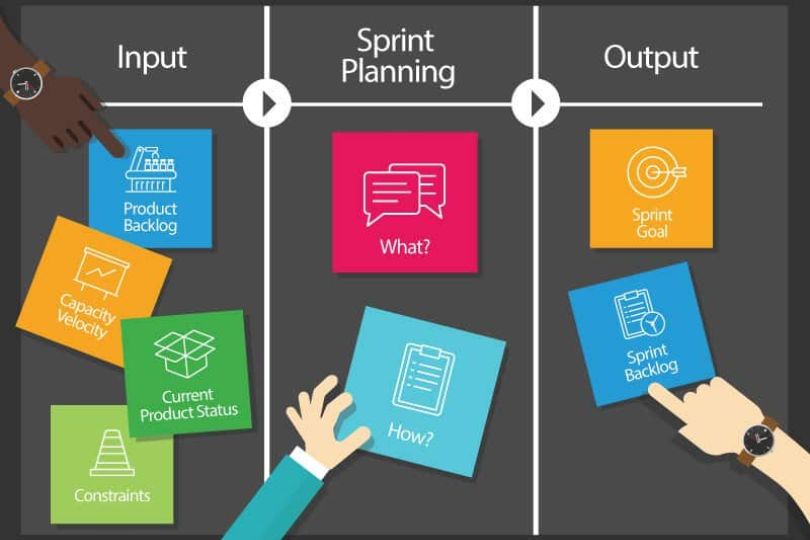
Scrum Master Hacks: Tips to Boost Your Team’s Velocity Introduction: The Role of a Scrum Master in Boosting Team Velocity As a Scrum Master, one of your core responsibilities is to guide your team towards higher productivity and efficiency. One of the key metrics of a Scrum team’s success is velocity—the amount of work the team can complete in a given sprint. However, boosting velocity is not about pushing your team to work harder. It’s about optimizing workflows, removing roadblocks, and creating an environment where your team can thrive. In this blog, we’ll explore effective Scrum Master hacks that will help you boost your team’s velocity while maintaining a healthy, sustainable work environment. Hack #1: Prioritize Backlog Refinement The Issue A poorly maintained backlog can be a significant roadblock to achieving optimal velocity. When stories are not well-defined or prioritized, teams can waste time during sprint planning, leading to inefficiencies. This confusion can also hinder team members from focusing on the most valuable work. The Solution Regular backlog refinement sessions can help ensure that stories are properly defined, prioritized, and ready for future sprints. This also aligns the team’s efforts with the highest priorities. Here’s how to improve your backlog management: Clarify requirements: Make sure user stories have clear acceptance criteria and are small enough to fit within a sprint. Prioritize ruthlessly: Work closely with the product owner to prioritize stories based on business value and urgency. Prepare for sprint planning: During backlog refinement, ensure that the team has a good understanding of the upcoming work, reducing confusion during sprint planning. Actionable Takeaway: Set aside dedicated time for backlog refinement to make sprint planning smoother and ensure that your team is working on the most important tasks. Hack #2: Foster a Culture of Continuous Improvement The Issue Teams can hit a plateau if they don’t actively work on improving their processes. Without regular reflection, inefficiencies can creep in, leading to reduced velocity. Scrum Masters need to facilitate a culture of continuous improvement that drives innovation and better workflows. The Solution Scrum’s retrospective ceremonies provide the perfect opportunity for continuous improvement. Use retrospectives to reflect on the team’s performance and identify areas for improvement: Emphasize learning: Create an environment where mistakes are seen as learning opportunities, not failures. Celebrate small wins: Acknowledge improvements, no matter how small, to build momentum and morale. Implement changes: Ensure actionable takeaways from retrospectives are actually implemented to see tangible improvements. Actionable Takeaway: Actively involve the team in retrospectives and focus on small, incremental improvements that can lead to sustained growth in velocity. Hack #3: Improve Communication and Collaboration The Issue Miscommunication or lack of collaboration is a significant factor that can slow down team velocity. When team members aren’t aligned or communicating effectively, progress stalls and quality suffers. As a Scrum Master, fostering better communication is essential. The Solution Improve communication by ensuring transparency and collaboration in all Scrum events: Daily Stand-ups: Keep them focused and time-boxed to ensure that the team is aligned on goals for the day and potential blockers are identified early. Pair programming or mobbing: Encourage collaborative practices where team members work together to solve problems or share knowledge. Cross-functional training: Promote knowledge sharing and cross-functional skills to increase team flexibility and reduce dependency on individual members. Actionable Takeaway: Encourage clear communication, promote collaboration, and ensure that all team members are aware of each other’s tasks, challenges, and contributions. Hack #4: Eliminate Roadblocks Early The Issue Blockers and impediments are natural occurrences in Agile teams, but allowing them to persist for too long can significantly impact velocity. As a Scrum Master, it’s your responsibility to help identify and remove roadblocks as quickly as possible. The Solution Proactively identify and resolve roadblocks: Daily Stand-ups: Use the daily stand-up to identify and address blockers early. This ensures that issues are resolved before they snowball. Foster a problem-solving mindset: Empower your team to solve their own blockers. Encourage collaboration in solving issues rather than always relying on you as the Scrum Master to intervene. Escalate when necessary: If the team cannot remove a blocker themselves, escalate it to the right stakeholders to find a solution. Actionable Takeaway: Regularly check in with your team to remove any roadblocks early in the sprint. Make it a priority to solve issues before they hinder progress. Hack #5: Optimize Sprint Planning The Issue Inefficient sprint planning can lead to overcommitment, undercommitment, or poorly defined stories. This ultimately affects the team’s ability to deliver high-quality work on time. It’s essential to run efficient sprint planning sessions that set the team up for success. The Solution Make your sprint planning sessions more effective by: Setting clear goals: Ensure that the sprint goal is well-defined, so the team understands what they’re working towards. Time-boxing planning: Avoid long planning meetings. Keep them concise and focused on the key elements: sprint goal, story selection, and task breakdown. Breaking down stories: Ensure stories are broken down into manageable tasks so that the team can estimate and complete them with confidence. Actionable Takeaway: Optimize sprint planning by focusing on well-defined goals, clear story breakdowns, and time-boxed sessions to ensure maximum productivity. Hack #6: Measure and Track Velocity The Issue Without tracking velocity, it’s hard to know whether your efforts are improving team performance. As a Scrum Master, tracking velocity gives you insights into how much work the team can handle and helps you identify patterns over time. The Solution Use velocity tracking as a tool for improvement: Track over time: Measure the team’s velocity across several sprints to identify patterns and assess progress. Understand fluctuations: Velocity may fluctuate due to various factors like complexity or team changes. Track these variations to learn how to adjust planning. Use velocity for forecasting: Predict future sprint capacity based on historical velocity, but avoid using it to pressure the team. Actionable Takeaway: Track your team’s velocity to help improve planning and provide insights into their capacity. Use it as a tool to make better decisions, not as a
Scrum Master

Common Pitfalls for New Scrum Masters and How to Avoid Them

Common Pitfalls for New Scrum Masters and How to Avoid Them Introduction: The Challenges of Being a New Scrum Master Becoming a Scrum Master is a rewarding yet challenging experience. Scrum Masters are tasked with facilitating teams, ensuring Agile processes are followed, and helping organizations continuously improve. While it’s an exciting role, new Scrum Masters often encounter several common pitfalls that can hinder their effectiveness. In this blog, we’ll dive into these common mistakes and share strategies to help you avoid them. By recognizing these pitfalls early on, you can enhance your skills and better support your team’s journey toward Agile success. Pitfall #1: Focusing Too Much on the Process, Not Enough on the People The Issue Scrum Masters often enter the role with a strong understanding of the Scrum framework and its processes. However, focusing too heavily on adhering strictly to Scrum ceremonies, roles, and rules can sometimes overshadow the human element of teamwork. Agile is not just about following a set of rules but also about fostering a collaborative and empowering environment for the team. The Solution To avoid this pitfall, remember that Agile is people-focused. As a Scrum Master, your role is to guide and support the team, not just enforce the process. Here’s how to maintain a balance: Encourage open communication: Facilitate honest and open discussions during daily stand-ups and retrospectives. Support team autonomy: Trust your team to take ownership of their work. Empower them to make decisions and solve problems collectively. Promote a culture of feedback: Encourage both positive and constructive feedback, helping individuals and the team grow. Actionable Takeaway: Focus on building relationships and trust within the team while also ensuring the Scrum processes are followed. Pitfall #2: Trying to Be the “Boss” The Issue Many new Scrum Masters make the mistake of assuming a top-down leadership approach. They may believe they are there to manage the team, direct their every move, and make decisions for them. However, the Scrum Master’s role is not that of a traditional manager or boss. A Scrum Master is a servant leader, guiding and coaching the team, not controlling them. The Solution To avoid this pitfall, adopt a servant-leader mindset: Facilitate, don’t dictate: Lead by example, create opportunities for the team to make decisions, and facilitate problem-solving. Empower the team: Trust the team’s expertise and encourage them to take ownership of their work. Be a coach, not a commander: Help team members develop their skills and take responsibility for their actions, but avoid micromanaging. Actionable Takeaway: Focus on helping your team achieve success by supporting their needs and creating an environment where they can thrive without being overbearing. Pitfall #3: Not Providing Enough Support During the Transition to Agile The Issue Transitioning to Agile can be difficult for both teams and organizations. New Scrum Masters often make the mistake of assuming that once the framework is in place, everything will function smoothly. In reality, it takes time, patience, and consistent support to ensure that Agile practices are deeply embedded and effective. The Solution To avoid this pitfall, actively support the team and organization throughout the transition: Provide continuous coaching: Scrum is a journey of constant improvement. Help your team understand that they won’t be perfect overnight and provide ongoing guidance to keep improving. Manage expectations: Set realistic expectations with stakeholders and your team about the time it takes to fully embrace Agile practices. Monitor progress and adjust: Regularly evaluate how well the team is adopting Agile and adjust your coaching accordingly. Actionable Takeaway: Don’t expect Agile to be seamless from the start. Keep offering support, adjust practices as needed, and encourage continual improvement. Pitfall #4: Neglecting Stakeholder Engagement The Issue One of the biggest challenges Scrum Masters face is keeping stakeholders engaged in the Agile process. New Scrum Masters sometimes overlook the importance of building strong relationships with key stakeholders, which can result in misalignment between the development team and the broader business. The Solution To avoid this pitfall, prioritize stakeholder engagement and ensure that the team’s goals align with organizational objectives: Regular communication: Keep stakeholders informed about the team’s progress, challenges, and successes. Use sprint reviews and demos to showcase the team’s work. Set clear expectations: Make sure stakeholders understand the Agile process and their role in it. This will help prevent miscommunications or unrealistic demands. Engage stakeholders early and often: Involve stakeholders in backlog refinement and sprint planning to ensure alignment. Actionable Takeaway: Keep stakeholders informed and involved throughout the Agile process to ensure that their needs are met and that the team’s efforts are aligned with organizational goals. Pitfall #5: Ignoring the Importance of Retrospectives The Issue Retrospectives are one of the most important Scrum ceremonies, but new Scrum Masters may overlook their value or run them ineffectively. Without a proper retrospective, teams miss the opportunity to reflect on what went well, what could be improved, and how to adapt moving forward. The Solution To avoid this pitfall, make retrospectives a regular and effective part of your Scrum process: Create a safe environment: Make sure everyone feels comfortable sharing their thoughts and ideas. Encourage honesty and constructive feedback. Focus on improvement: Use retrospectives to identify actionable improvements, rather than just discussing problems without solutions. Vary retrospective formats: Change up the format of retrospectives to keep them engaging and relevant. Use activities or exercises to stimulate different ways of thinking. Actionable Takeaway: Ensure that retrospectives are run effectively, with a focus on continuous improvement and team collaboration. Pitfall #6: Failing to Address Team Conflict The Issue Team conflict is a natural part of the Scrum process, but many new Scrum Masters struggle to address it appropriately. Ignoring or mishandling conflict can lead to unresolved issues, decreased morale, and reduced productivity. The Solution To avoid this pitfall, learn how to address team conflict in a healthy and productive way: Encourage open discussion: Create an environment where team members feel comfortable addressing conflicts directly and respectfully. Mediate when necessary: Step in as a neutral mediator when conflicts

Scrum Master

Real-Life Success Stories: Scrum Masters Making an Impact

Real-Life Success Stories: Scrum Masters Making an Impact Introduction: The Power of the Scrum Master Role The Scrum Master role is vital in guiding Agile teams toward success. Scrum Masters act as facilitators, coaches, and problem-solvers, helping teams overcome challenges and stay focused on delivering value. While the Scrum Master’s job can be challenging, the impact of a skilled Scrum Master can be transformative—leading to higher productivity, improved collaboration, and a stronger team culture. In this blog, we explore real-life success stories of Scrum Masters who have made a significant difference in their organizations. These stories not only highlight the challenges Scrum Masters face but also offer valuable lessons for those aspiring to excel in this role. 1: Scrum Master Success Story, Leading a Global Software Development Team The Challenge In a large multinational software company, a Scrum Master was assigned to a global development team working on a complex product. The team was geographically dispersed across time zones, and communication issues were frequently causing delays in the delivery of features. Collaboration was a struggle, and the development team lacked cohesion due to the distance between them. The Solution The Scrum Master took several key actions to improve the team’s performance: Implementing Clear Communication Tools: The Scrum Master introduced daily stand-ups via video conferencing tools, ensuring that team members in different time zones had the opportunity to connect. They also set up a centralized communication platform (Slack) where team members could communicate asynchronously. Creating a Collaborative Culture: To strengthen collaboration, the Scrum Master organized virtual team-building activities, encouraging team members to bond outside of work. They also initiated cross-functional collaboration by involving stakeholders early in the sprint cycle. Adjusting the Sprint Cycle: The Scrum Master tweaked the sprint planning sessions to accommodate time zone differences. Sprint goals were made more specific and measurable, with clear expectations for all team members. The Result Within three months, the team’s productivity increased significantly. The daily stand-ups and clear communication channels helped keep everyone aligned. The team also reported higher engagement and satisfaction due to the focus on collaboration and inclusion. Actionable Takeaway: When managing remote or global teams, Scrum Masters should focus on creating communication strategies that ensure all team members feel connected, regardless of location. 2: Scrum Master Success Story, Overcoming Resistance to Change in a Traditional Environment The Challenge In a traditional, waterfall-driven organization, a Scrum Master was tasked with implementing Agile practices in a newly formed software development team. The team members were used to a rigid, hierarchical structure and were resistant to adopting Agile principles. The transition was met with skepticism and pushback from both developers and management. The Solution The Scrum Master approached the resistance with patience and a clear strategy: Educating the Team on Agile Values: The Scrum Master conducted workshops and training sessions to help the team understand the principles and benefits of Agile. They explained how Agile could improve not only the team’s efficiency but also job satisfaction and product quality. Leading by Example: Rather than forcing Agile practices on the team, the Scrum Master focused on leading by example. They facilitated Scrum ceremonies like sprint planning, retrospectives, and daily stand-ups with great care, ensuring that the team could see the benefits of these processes. Engaging Leadership: The Scrum Master involved management early in the transition process to ensure that leadership understood and supported the change. Regular feedback loops and demos kept leaders in the loop, fostering a sense of ownership and collaboration. The Result After six months, the team fully embraced Agile practices. They saw a marked improvement in productivity and quality, and the team’s morale improved as well. Management also recognized the value of Agile and began expanding the approach to other teams in the organization. Actionable Takeaway: Scrum Masters should focus on education, leading by example, and engaging leadership to foster buy-in when transitioning teams from traditional to Agile practices. 3: Scrum Master Success Story, Turning Around an Underperforming Team The Challenge A Scrum Master was brought in to lead an underperforming team in a tech company. The team struggled with meeting deadlines, and the quality of deliverables was subpar. Communication was poor, and the team lacked a sense of ownership over their work. The Scrum Master had to turn things around quickly to prevent further delays and setbacks. The Solution The Scrum Master took a multifaceted approach to address the team’s challenges: Establishing Clear Goals and Expectations: The Scrum Master worked with the team to clarify their goals and establish clear expectations. They broke down larger tasks into smaller, manageable user stories, ensuring that each sprint had achievable goals. Improving Communication: The Scrum Master introduced daily stand-ups and retrospectives to foster open communication. They encouraged team members to voice concerns, ask for help, and provide feedback on the sprint process. Focusing on Continuous Improvement: The Scrum Master emphasized the importance of continuous improvement. They implemented a practice of regular retrospectives, ensuring the team reflected on what was working and what needed improvement after each sprint. The Result By the end of the quarter, the team had turned around its performance. They started consistently delivering high-quality work on time, and the team’s collaboration and morale significantly improved. The Scrum Master’s emphasis on clear goals, open communication, and continuous improvement helped the team find their rhythm. Actionable Takeaway: Scrum Masters should help underperforming teams by setting clear goals, improving communication, and fostering a culture of continuous improvement. 4: Scrum Master Success Story, Scaling Agile Across an Organization The Challenge At a fast-growing startup, the Scrum Master was tasked with scaling Agile practices across multiple teams. The company had outgrown its initial startup phase, and new teams were being created rapidly. However, the teams were not aligned, and there was confusion around roles and processes. The Scrum Master had to ensure that Agile principles were implemented consistently across the organization. The Solution The Scrum Master implemented several strategies to help scale Agile across the organization: Standardizing Processes: They worked with all Scrum Masters

Scrum Master

The Evolution of the Scrum Master Role in Hybrid Work Environments

The Evolution of the Scrum Master Role in Hybrid Work Environments Introduction: The Changing Landscape of Work The world of work is rapidly changing. As businesses increasingly embrace hybrid work environments—where teams split their time between working remotely and in the office—the Scrum Master role is evolving too. In these mixed settings, the traditional practices of Scrum must adapt to meet the needs of teams that are no longer co-located but are instead spread across multiple locations and time zones. The Scrum Master, once primarily seen as the in-person facilitator and Agile guide, now finds themselves balancing remote and on-site team dynamics, adjusting communication tools, and fostering collaboration in a digital-first world. This transformation presents both challenges and opportunities, making it more crucial than ever for Scrum Masters to understand how their role is shifting and how to thrive in this new environment. 1: The Impact of Hybrid Work on Scrum Practices The hybrid model combines the best of both remote and in-office work, but it also brings unique challenges to the table. As Scrum Masters are tasked with ensuring that Agile principles are followed, they must learn how to address the evolving needs of their teams. 1: 1. Facilitating Remote and In-Person Scrum Ceremonies In a hybrid setting, Scrum ceremonies such as daily stand-ups, sprint planning, and retrospectives are no longer purely face-to-face events. Scrum Masters must facilitate these ceremonies in a way that engages both remote and in-office team members equally. Daily Stand-ups: Scrum Masters can use video conferencing tools like Zoom or Microsoft Teams to ensure that all team members, regardless of location, have the opportunity to speak and collaborate. It’s important to ensure that remote team members are not “mute” participants while in-office members dominate the conversation. Sprint Planning: Sprint planning sessions in a hybrid environment require extra preparation. Scrum Masters can use virtual boards like Miro or Trello to visually represent the sprint backlog, making it easier for everyone to contribute, whether they’re in the office or working remotely. Retrospectives: To ensure equal participation, Scrum Masters can use digital platforms that allow real-time input from all team members. For example, using an online retrospective tool like FunRetro ensures that everyone’s opinions are captured, fostering a collaborative atmosphere. Actionable Tip: Scrum Masters can leverage collaboration tools like Slack, Zoom, or Jira to keep remote and hybrid teams engaged during Scrum ceremonies. It’s crucial to create an inclusive environment where both remote and in-person participants feel heard and involved. 1: 2. Enhancing Communication and Collaboration One of the biggest challenges Scrum Masters face in hybrid work environments is ensuring clear, consistent communication between remote and in-office team members. Clear Communication Channels: Scrum Masters need to set up channels where all team members can communicate openly, regardless of their location. This could mean organizing separate channels for project updates, blockers, and informal conversations. Collaboration Tools: Platforms like Confluence for documentation, Slack for communication, and Jira for tracking tasks enable all team members to stay aligned and informed. Scrum Masters must champion the use of these tools and help guide teams on how to effectively use them. Actionable Tip: To keep communication seamless, Scrum Masters should regularly check in on team members’ experiences with communication tools and identify opportunities for improvement. 2: Adapting Scrum Roles in Hybrid Teams While the Scrum Master role itself has remained largely consistent in terms of responsibilities, the way Scrum Masters perform their duties in hybrid environments is changing. Here’s how they can evolve with the hybrid work model. 2: 1. Serving as a Bridge Between Teams In hybrid environments, Scrum Masters must act as a bridge between the remote and in-person team members. They ensure that the needs of both groups are met and that everyone is working towards the same goals. Cultural Sensitivity: Scrum Masters need to be aware of the different cultures, time zones, and working styles of their team members. Whether they’re dealing with remote team members across the globe or in-office colleagues, it’s important to foster a culture of inclusion and collaboration. Conflict Resolution: Remote work can sometimes lead to misunderstandings, which Scrum Masters need to address quickly. Whether it’s a misunderstanding about a task or a team dynamic issue, the Scrum Master must facilitate open discussions to resolve conflicts and restore team harmony. Actionable Tip: Regular check-ins with individual team members—both remote and in-person—can help Scrum Masters identify potential issues before they become larger problems. 2: 2. Championing Agile Principles and Mindset The Scrum Master is responsible for ensuring that Agile principles are being followed, and this responsibility doesn’t change with the hybrid model. However, the way Agile practices are applied needs to be reexamined in a hybrid setting. Maintaining Agile Values: Scrum Masters must ensure that values like transparency, inspection, and adaptation are still being upheld despite the geographical separation between team members. Coaching the Team: In hybrid teams, Scrum Masters should focus more on coaching than on direct facilitation. This includes helping remote team members understand how to be effective in the hybrid environment, as well as coaching in-office members on how to support their remote colleagues. Actionable Tip: Scrum Masters should frequently remind teams of the core Agile values, ensuring that these principles continue to drive the way the team works—whether remote or in-person. 3: Tools and Technologies for Hybrid Scrum Masters To navigate the hybrid environment successfully, Scrum Masters need to leverage the right tools and technologies. Here’s a list of some of the most helpful tools available: 3: 1. Virtual Collaboration Platforms Miro: A visual collaboration tool perfect for brainstorming and creating shared whiteboards during sprint planning or retrospectives. Trello: A task management tool that allows teams to visualize their work with boards, lists, and cards, useful for tracking progress in a hybrid environment. Mural: A digital workspace for visual collaboration that supports brainstorming and planning sessions, similar to Miro. 3: 2. Communication Tools Slack: A powerful communication platform that allows teams to organize conversations by channels and ensures that remote team

Scrum Master

Scrum Master Certification Demystified: Which One is Right for You?

Scrum Master Certification Demystified: Which One is Right for You? Introduction: Unlocking the Scrum Master Certification The role of a Scrum Master is crucial to the success of Agile teams. As a facilitator, coach, and servant leader, a Scrum Master ensures that Scrum practices are followed, and that teams continuously improve their processes. If you’re looking to become a Scrum Master, one of the first steps is to earn a certification. But with so many different Scrum Master certifications available, how do you know which one is the best for you? Whether you’re just starting your Agile journey or looking to advance your career, choosing the right Scrum Master certification can set you up for success. In this guide, we’ll break down the various options, their requirements, and the benefits of each, helping you make an informed decision. 1: The Most Popular Scrum Master Certifications Scrum Master certifications come in many shapes and sizes. To help you navigate the choices, we’ve compiled a list of the most recognized and widely accepted certifications in the industry. 1: 1. Certified ScrumMaster (CSM) by Scrum Alliance Overview: The Certified ScrumMaster (CSM) certification is one of the most popular and well-known certifications for Scrum Masters. Offered by Scrum Alliance, it’s ideal for beginners and provides a solid foundation in Scrum principles and practices. Requirements: Attend a 2-day, in-person or virtual ScrumMaster training course. Pass the CSM exam (online). Benefits: Recognized and Trusted: Scrum Alliance is a leader in Agile certification, and the CSM is recognized globally. Foundational Knowledge: Perfect for those new to Scrum, this certification provides an understanding of the Scrum framework and how to apply it in real-world scenarios. Networking Opportunities: As a CSM, you get access to a global community of Scrum professionals for networking, support, and learning. Actionable Tip: If you’re new to Scrum and Agile, the CSM is a great starting point. It will provide you with the fundamental knowledge you need to start working as a Scrum Master. 1: 2. Professional Scrum Master (PSM) by Scrum.org Overview: The Professional Scrum Master (PSM) certification, offered by Scrum.org, is another popular choice for aspiring Scrum Masters. Unlike the CSM, the PSM does not require mandatory training, although training is highly recommended. Requirements: Pass the PSM I exam, which is an online, open-book test. No mandatory training required, but courses are available. Benefits: Self-paced Learning: The PSM exam is known for its challenging nature, and it can be taken independently of formal training, allowing more flexibility for learners. Global Recognition: Scrum.org is a respected name in Agile certification, and the PSM is recognized worldwide. Multiple Levels: After the PSM I, you can further advance your skills by obtaining PSM II or PSM III, which focus on deeper, more advanced Scrum knowledge. Actionable Tip: If you prefer a more flexible approach and have some Scrum experience, the PSM is a great choice. The PSM I exam tests your knowledge thoroughly, and passing it demonstrates a strong understanding of Scrum practices. 1: 3. ScrumMaster Certified (SMC) by the Scrum Training Institute Overview: The ScrumMaster Certified (SMC) certification by the Scrum Training Institute is another option for those pursuing a career as a Scrum Master. The SMC is designed for professionals who want a solid grounding in Scrum principles and practices, with a focus on their application in real-world settings. Requirements: Complete a 16-hour, instructor-led training program. Pass the SMC exam. Benefits: Comprehensive Coverage: The SMC certification provides in-depth knowledge of Scrum, including its principles, values, roles, and ceremonies. Access to Resources: The Scrum Training Institute offers post-certification support and resources to help you stay updated on Scrum practices. Practical Focus: The SMC is geared towards professionals who want to apply Scrum in their organizations immediately. Actionable Tip: If you’re looking for a more affordable option without sacrificing the quality of the content, the SMC could be a good fit. It offers practical training that can be used in the workplace right away. 1: 4. Agile Certified Practitioner (PMI-ACP) by PMI Overview: While not exclusive to Scrum, the Agile Certified Practitioner (PMI-ACP) certification by the Project Management Institute (PMI) is a great option for Scrum Masters who want to expand their knowledge of Agile methodologies beyond just Scrum. Requirements: 2,000 hours of general project experience. 1,500 hours of Agile project experience (working on Agile teams). 21 contact hours of Agile training. Benefits: Broader Agile Knowledge: The PMI-ACP covers a variety of Agile methodologies, including Scrum, Kanban, Lean, and XP, offering a broader perspective on Agile practices. Advanced Understanding: The certification is well-suited for experienced project managers and Scrum Masters who want to deepen their understanding of Agile approaches. Recognition: PMI is a globally recognized name in the project management industry, and the PMI-ACP is highly respected. Actionable Tip: The PMI-ACP is a great choice if you’re looking to expand your knowledge of Agile beyond Scrum and work with multiple Agile frameworks. 2: How to Choose the Right Scrum Master Certification for You With so many certification options available, choosing the one that’s right for you depends on your experience level, career goals, and learning preferences. Here’s a quick guide to help you decide: 2:1 Consider Your Experience Level New to Scrum: If you’re just getting started in Agile and Scrum, the CSM or SMC may be your best bet. These certifications provide a solid foundation and are more accessible for beginners. Experienced in Scrum: If you have some experience as a Scrum Master or working within Agile teams, the PSM is an excellent choice for expanding your knowledge. For those seeking broader Agile knowledge, the PMI-ACP might be worth exploring. 2:2 Think About Your Career Goals Focused on Scrum: If your primary interest is becoming a Scrum Master, the CSM or PSM are the most direct paths to certification. Broader Agile Understanding: If you’re interested in mastering a variety of Agile practices, including Scrum, PMI-ACP offers a comprehensive look at multiple methodologies. 2:3 Training and Exam Considerations Training Required: Some certifications like CSM

Scrum Master

How to Facilitate Agile Ceremonies Like a Pro: A Step-by-Step Guide

How to Facilitate Agile Ceremonies Like a Pro: A Step-by-Step Guide Introduction: Mastering the Art of Facilitating Agile Ceremonies Agile methodologies are built around a set of ceremonies that help teams maintain focus, foster collaboration, and ensure continuous improvement. Scrum Masters and Agile Coaches often take the lead in facilitating these ceremonies, ensuring they run smoothly and produce valuable outcomes. However, facilitating these ceremonies effectively requires more than just understanding their purpose—it demands clear communication, strong facilitation skills, and a deep understanding of the Agile principles. In this blog, we’ll walk you through the key Agile ceremonies and share practical tips on how to facilitate them like a pro. Whether you’re a new Scrum Master or an experienced facilitator, this guide will help you elevate your facilitation skills to improve team collaboration and productivity. 1: The 5 Key Agile Ceremonies and How to Facilitate Them Agile ceremonies, also known as Scrum ceremonies, are essential rituals that structure the work of Scrum teams. The five key ceremonies are: Sprint Planning Daily Standup (Daily Scrum) Sprint Review Sprint Retrospective Backlog Refinement Each of these plays a critical role in maintaining the cadence of an Agile team and ensuring that everyone is aligned toward common goals. Below, we’ll discuss how to facilitate each of these ceremonies effectively. 2: 1. Sprint Planning: Setting the Stage for a Successful Sprint Sprint Planning is the first ceremony in each Sprint, where the team and Product Owner decide on what work will be tackled in the upcoming Sprint. The Scrum Master plays a crucial role in facilitating this meeting, ensuring that it stays focused and productive. Best Practices for Sprint Planning Facilitation: Start with the Sprint Goal: Ensure the team understands the Sprint Goal and how it ties to the overall product vision. Clarifying the Sprint Goal helps the team prioritize their work. Break Down User Stories: Work with the Product Owner to ensure that user stories are clearly defined and well-understood by the team. Break them down into smaller tasks if needed. Timeboxing: Stick to the timebox to avoid over-complicating the planning process. Aim for a 2-hour Sprint Planning meeting for a 2-week Sprint. Engage the Team: Encourage active participation from all team members. Ask for input on the capacity for the Sprint and potential roadblocks. Actionable Tip: As a Scrum Master, help the team avoid the trap of planning too much or too little. Guide them in selecting the right number of stories that can be completed during the Sprint based on their capacity. 2: 2. Daily Standup: Keeping Everyone Aligned and Focused The Daily Standup (also called the Daily Scrum) is a short, time-boxed meeting (typically 15 minutes) that allows team members to share their progress and raise any issues that might impede progress. The Scrum Master ensures that the standup remains focused and adheres to the timebox. Best Practices for Daily Standup Facilitation: Ensure Punctuality: Start on time and avoid waiting for latecomers. This sets the tone for punctuality and discipline. Focus on the Three Key Questions: Encourage team members to answer these three questions: What did I work on yesterday? What am I working on today? Are there any blockers or impediments? Keep it Brief and Focused: Remind the team that the goal is not to solve problems but to highlight potential roadblocks. Encourage follow-up discussions outside of the standup. Encourage Transparency: Ensure that everyone feels comfortable sharing their progress and challenges. Foster a culture of open communication. Actionable Tip: As a Scrum Master, watch out for members talking for too long or getting bogged down in detailed discussions. Gently guide them back to the point and suggest taking longer conversations offline. 2: 3. Sprint Review: Inspecting and Adapting the Product The Sprint Review is a collaborative meeting where the Scrum team demonstrates the work completed during the Sprint. Stakeholders, including the Product Owner and key business leaders, are invited to give feedback and discuss the next steps. Best Practices for Sprint Review Facilitation: Prepare the Environment: Ensure that the demo environment is set up in advance and that all necessary stakeholders are invited. It’s also important to have all necessary documentation ready to support the demo. Encourage Feedback: Ask stakeholders for constructive feedback on the delivered product increment. Engage them in a discussion about potential improvements and future priorities. Timebox the Meeting: Keep the meeting on track by timeboxing it (usually 1-2 hours). Make sure that the team has enough time to demonstrate their work and gather feedback. Celebrate Achievements: Highlight accomplishments and celebrate the work completed during the Sprint. This boosts morale and fosters a positive team culture. Actionable Tip: During the Sprint Review, ensure that the team stays focused on delivering value, not just checking off completed tasks. Ask questions that prompt stakeholders to think about future user needs and potential product enhancements. 2: 4. Sprint Retrospective: Reflecting and Improving The Sprint Retrospective is a meeting where the Scrum team reflects on the Sprint, discusses what went well, identifies challenges, and plans improvements for the next Sprint. As a Scrum Master, your role is to create a safe environment for open feedback and continuous improvement. Best Practices for Sprint Retrospective Facilitation: Foster a Safe Environment: Set ground rules for constructive feedback and emphasize that the goal is to improve, not to blame. Use Different Techniques: Incorporate a variety of retrospective formats to keep things fresh and engaging. Popular formats include the “Start, Stop, Continue” method or the “5 Whys” technique. Focus on Actionable Outcomes: Ensure that the retrospective results in actionable improvements. Create an action plan for the team to implement in the next Sprint. Celebrate Successes: Don’t just focus on areas for improvement—celebrate the team’s successes and progress during the Sprint. Actionable Tip: Keep retrospectives dynamic and engaging by experimenting with different retrospective techniques and activities. Encourage everyone to speak up, especially quieter team members. 2: 5. Backlog Refinement: Preparing for the Next Sprint Backlog Refinement (sometimes called Backlog Grooming) is an ongoing activity where the Scrum

Scrum Master

The Career Path of a Scrum Master: Opportunities Beyond the Role

The Career Path of a Scrum Master: Opportunities Beyond the Role Introduction: The Evolving Career Path of a Scrum Master The role of a Scrum Master has become one of the most sought-after positions in Agile teams. Scrum Masters not only facilitate Scrum ceremonies but also serve as servant leaders, guiding teams toward success and helping them achieve continuous improvement. However, as professionals gain experience and expertise in Agile methodologies, many Scrum Masters find themselves seeking new challenges and career opportunities. If you’re currently a Scrum Master or considering this career path, it’s important to understand the growth potential within the role and the various opportunities that lie beyond it. This blog will explore the career path of a Scrum Master, from entry-level roles to advanced positions, and provide actionable insights on how to transition to new opportunities within the Agile and leadership landscapes. 1: The Role of a Scrum Master: A Strong Foundation for Career Growth Before delving into potential career advancements, it’s essential to understand the core responsibilities of a Scrum Master. These include: Facilitating Scrum Ceremonies: Scrum Masters ensure that Scrum events such as Sprint Planning, Daily Standups, and Sprint Retrospectives are conducted smoothly. Removing Impediments: They actively identify and eliminate roadblocks that prevent the team from achieving its goals. Coaching and Mentoring: Scrum Masters help teams adopt Agile practices and promote self-organization and continuous improvement. This foundational skill set forms the basis for many leadership and coaching roles within Agile frameworks and the broader project management domain. The experience gained as a Scrum Master equips professionals with critical interpersonal, leadership, and problem-solving skills, setting the stage for the next steps in their careers. 2: Career Opportunities for Scrum Masters As a Scrum Master, you have a unique skill set that opens up various career opportunities beyond the traditional Scrum Master role. Here are some common career paths: 3: 1. Agile Coach An Agile Coach is an experienced professional who helps organizations, teams, and individuals transition to Agile methodologies. Agile Coaches provide guidance on Agile processes, including Scrum, Kanban, and Lean, and work at a higher strategic level to improve team dynamics and overall organizational performance. What You’ll Do: As an Agile Coach, you will mentor Scrum Masters, lead organizational change initiatives, and ensure that Agile principles are adopted across multiple teams. Skills Required: In-depth knowledge of various Agile frameworks, exceptional coaching abilities, and the ability to facilitate organizational change. Actionable Tip: To transition into an Agile Coach role, consider gaining additional certifications, such as the Certified Agile Coach (ICP-ACC) or the Agile Certified Practitioner (PMI-ACP), and build a portfolio of coaching experiences across different teams. 3: 2. Product Owner The Product Owner role involves working closely with stakeholders, customers, and the Scrum team to define product requirements and ensure that the team delivers value in each Sprint. Many Scrum Masters transition into Product Owner roles because of their deep understanding of the Scrum process and team dynamics. What You’ll Do: As a Product Owner, you will prioritize the product backlog, create user stories, and ensure the product meets customer needs and business objectives. Skills Required: Strong communication skills, business acumen, and a deep understanding of user needs and market trends. Actionable Tip: To transition into a Product Owner role, consider attending workshops or gaining certifications such as the Certified Scrum Product Owner (CSPO) to deepen your product management skills. 3: 3. Agile Project Manager While Scrum Masters focus on team-level processes, an Agile Project Manager takes a broader view, overseeing project execution and ensuring that Agile practices are followed at the organizational level. Agile Project Managers focus on delivering project objectives on time, within scope, and under budget while maintaining Agile values. What You’ll Do: As an Agile Project Manager, you will manage stakeholder communication, schedule and resource planning, and risk management while ensuring that the team adheres to Agile principles. Skills Required: Strong project management experience, Agile methodology expertise, and leadership skills. Actionable Tip: If you’re interested in moving into Agile Project Management, consider obtaining certifications such as Certified Scrum Master (CSM) or Project Management Professional (PMP) to gain the technical skills necessary for this transition. 3: 4. Scrum Master Manager For experienced Scrum Masters who want to continue leading teams but also take on a managerial role, the position of Scrum Master Manager can be a natural next step. In this role, you would oversee multiple Scrum teams, ensuring they’re working effectively and driving Agile transformation within the organization. What You’ll Do: As a Scrum Master Manager, you will be responsible for coaching Scrum Masters, promoting Agile best practices across teams, and handling escalated team issues. Skills Required: Strong leadership skills, experience in managing multiple teams, and an in-depth understanding of Agile processes. Actionable Tip: To pursue this role, focus on gaining leadership experience, both within Scrum teams and across the organization. You may also benefit from leadership development programs or certifications such as Certified Scrum Professional (CSP). 3: 5. Chief Transformation Officer (CTO) For seasoned Scrum Masters with extensive experience in Agile practices and organizational transformation, the Chief Transformation Officer (CTO) role is a high-level leadership position. In this capacity, you would be responsible for driving Agile transformations across the entire organization, aligning business and IT strategies, and leading the change management process. What You’ll Do: As a CTO, you will be responsible for championing the Agile transformation across all levels of the organization, building relationships with executive leadership, and ensuring that Agile practices are deeply ingrained into the company culture. Skills Required: Strategic thinking, excellent communication skills, and experience with large-scale Agile transformations. Actionable Tip: To prepare for this leadership role, gain experience working on large-scale Agile transformations and hone your executive communication skills. Additionally, leadership certifications like Certified Lean Change Agent may help prepare you for organizational-wide leadership roles. 4: Skills to Develop for Career Advancement As you move along your career path as a Scrum Master, there are several key skills that will help you stand out and succeed

Scrum Master

Building High-Performing Teams: The Scrum Master’s Role

Building High-Performing Teams: The Scrum Master’s Role Introduction: The Scrum Master’s Essential Role in High-Performing Teams In any Agile environment, the Scrum Master plays a pivotal role in ensuring that the team works effectively and delivers high-quality results. But what does it truly take to build a high-performing team? It requires more than just setting up Scrum ceremonies and adhering to the Agile framework—it demands leadership, support, and empowerment. A Scrum Master’s ability to foster collaboration, maintain focus, and guide the team toward continuous improvement is what transforms an average group into a high-performing team. This blog will explore the Scrum Master’s role in building and sustaining high-performing teams and provide actionable strategies to ensure team success. 1: Understanding High-Performing Teams Before diving into the Scrum Master’s role, it’s important to understand what defines a high-performing team. High-performing teams are characterized by: Collaboration: Team members actively work together, share knowledge, and communicate openly. Autonomy: Team members are self-organizing and take ownership of their work. Commitment: There’s a shared commitment to delivering high-quality results. Trust and Respect: Members feel safe to voice opinions, experiment, and make mistakes without fear of judgment. Continuous Improvement: Teams embrace a growth mindset and are always looking for ways to improve their processes and performance. High-performing teams don’t emerge overnight. They require careful guidance, support, and the right conditions to thrive. This is where the Scrum Master’s role becomes critical. 2: The Scrum Master’s Role in Fostering High-Performing Teams A Scrum Master is more than a facilitator; they are a leader who empowers the team to reach its full potential. Let’s explore how a Scrum Master can drive the creation of high-performing teams. 3: 1. Creating a Safe and Trusting Environment One of the first steps in building a high-performing team is ensuring that team members feel safe and respected. Without trust, open communication and collaboration become difficult. Psychological Safety: A Scrum Master must ensure that the team feels safe to express ideas, raise concerns, and experiment without fear of ridicule. Encourage Open Communication: Facilitate an environment where constructive feedback is welcomed and where team members can communicate openly. Actionable Tip: In each Sprint Retrospective, ask the team to reflect on how comfortable they feel in their communication with each other. Use this feedback to continuously improve the team dynamics. 3: 2. Promoting Self-Organization High-performing teams are self-organizing, meaning they have the autonomy to make decisions, manage their work, and solve problems without external direction. The Scrum Master’s role is to create an environment that supports this level of autonomy. Empower Decision-Making: Encourage the team to make decisions during daily Scrum meetings and Sprint Planning. Foster Accountability: Help the team take ownership of their outcomes, ensuring they are responsible for both successes and areas of improvement. Actionable Tip: Regularly challenge the team with decision-making scenarios to help them build confidence in their ability to self-organize. In Sprint Planning, allow the team to decide how best to allocate tasks. 3: 3. Removing Obstacles The Scrum Master’s primary responsibility is to remove any impediments that prevent the team from achieving its goals. A high-performing team cannot operate at its best if obstacles, whether technical, logistical, or interpersonal, hinder progress. Identify and Remove Roadblocks: Actively seek out challenges that are impeding team performance and remove them, whether they involve clearing up cross-functional dependencies or resolving conflicts. Provide Resources: Ensure the team has all the necessary tools, training, and resources they need to perform their tasks efficiently. Actionable Tip: Use the “Impediment Backlog” technique during Sprint Retrospectives to identify any barriers that need to be removed, and actively work with the team to address them. 3: 4. Fostering a Culture of Continuous Improvement A key trait of high-performing teams is their commitment to continuous learning and growth. The Scrum Master should foster a culture that embraces change and consistently seeks ways to improve processes, tools, and performance. Promote Retrospectives: Encourage the team to reflect on their processes and discuss what’s working and what can be improved. Encourage Experimentation: Support the team in trying new approaches, tools, and practices to see what works best. Actionable Tip: After each Sprint, host a Sprint Retrospective where the team can discuss successes and areas for improvement. Use this feedback to refine workflows, processes, and communication strategies. 3: 5. Nurturing Collaboration and Teamwork High-performing teams thrive on collaboration. The Scrum Master must ensure that the team works together cohesively, with a focus on delivering results. Facilitate Cross-Functional Collaboration: Promote teamwork between team members with diverse skills, ensuring that everyone works together towards the same goal. Encourage Knowledge Sharing: Create opportunities for team members to share their expertise and learn from each other. Actionable Tip: Implement “pair programming” or “buddy systems” to ensure that knowledge is shared and collaboration is encouraged. 4: Measuring Success: Key Indicators of High-Performing Teams How do you know if your team is performing at its highest potential? Here are some key indicators that a Scrum Master can track: Velocity Consistency: Teams that are consistently delivering on time and meeting their Sprint goals are a sign of high performance. Quality of Deliverables: High-performing teams produce high-quality work that meets or exceeds expectations. Team Satisfaction: High-performing teams tend to have high levels of morale and satisfaction, with low turnover and burnout. Feedback Loops: The team actively seeks and uses feedback to improve their processes, products, and performance. Actionable Tip: Use metrics like Sprint velocity, defect rates, and team satisfaction surveys to gauge team performance and identify areas for improvement. 5: Challenges and How Scrum Masters Can Overcome Them Even with the best intentions, Scrum Masters face challenges when building high-performing teams. Here are some common hurdles and strategies for overcoming them: Resistance to Change: Some team members may resist Agile practices or new ways of working. Overcome this by providing clear coaching and demonstrating the benefits of Agile principles. Conflict Management: Conflicts may arise between team members, especially in high-pressure situations. The Scrum Master must facilitate constructive conflict resolution, ensuring that everyone’s

Scrum Master

Agile Leadership: What Makes a Scrum Master a True Servant Leader

Agile Leadership: What Makes a Scrum Master a True Servant Leader Introduction: The Role of a Scrum Master in Agile Leadership Agile leadership is a powerful way of managing teams that emphasizes collaboration, flexibility, and continuous improvement. At the heart of Agile leadership is the Scrum Master, whose role goes beyond simply managing processes. Instead, a Scrum Master serves as a servant leader, empowering teams to achieve their best work. In this blog, we will explore what makes a Scrum Master a true servant leader, the qualities that define effective Agile leadership, and actionable insights that can help Scrum Masters lead their teams to success. 1: What is Servant Leadership in Agile? Servant leadership is a leadership philosophy that focuses on the growth and well-being of team members. Unlike traditional leadership styles where the leader is at the top of the hierarchy, servant leaders prioritize the needs of the team. They aim to serve, not to command, empowering others to grow, collaborate, and succeed. In Agile, the Scrum Master is the quintessential servant leader. While they facilitate the Scrum process, their role is to remove obstacles, foster collaboration, and enable teams to self-organize and thrive. This philosophy aligns perfectly with the core values of Agile, which prioritize individuals and interactions over processes and tools. 2: The Role of a Scrum Master as a Servant Leader To be a true servant leader, a Scrum Master must embody certain qualities and adopt specific behaviors that encourage team autonomy, accountability, and empowerment. Let’s dive deeper into these traits: 3: 1. Empathy: Understanding and Supporting the Team A true servant leader listens actively and empathizes with the challenges and struggles of team members. Scrum Masters who practice empathy create an environment where team members feel heard, understood, and valued. This fosters trust and psychological safety, which is essential for high-performing teams. Listen Actively: Understand not just what is being said, but also the emotions and concerns behind the words. Support the Team’s Needs: Whether it’s providing guidance on solving a technical problem or helping the team address interpersonal conflicts, the Scrum Master is there to serve. Actionable Tip: Practice empathy by regularly checking in with team members one-on-one to understand their needs, concerns, and how they feel about their work. 3: 2. Servant to the Team, Not a Traditional Boss One of the key aspects of servant leadership is that Scrum Masters don’t manage or control the team—they empower and support them. Scrum Masters should avoid micromanaging, instead fostering an environment where the team feels responsible for delivering value. Encourage Self-Organization: Guide the team towards self-organization by helping them make decisions and solve problems collectively. Remove Obstacles: A Scrum Master’s primary responsibility is to remove barriers that prevent the team from delivering its best work. This could be anything from technical issues to organizational challenges. Actionable Tip: In every retrospective, ask the team what obstacles they encountered and work with them to find ways to address these challenges proactively. 3: 3. Listening to All Voices: Promoting Collaboration A Scrum Master is responsible for facilitating communication and collaboration among team members. As a servant leader, the Scrum Master ensures that everyone’s voice is heard, and that decisions are made collectively, fostering a spirit of collaboration and inclusivity. Facilitate Discussions: During Scrum ceremonies like Daily Stand-ups and Retrospectives, encourage all team members to share their thoughts and concerns. Promote Cross-Functional Collaboration: Scrum Masters also help bridge gaps between team members with different skill sets, fostering collaboration across disciplines. Actionable Tip: Use structured formats like “Round Robin” in meetings to give everyone a chance to speak, ensuring that quieter team members have an opportunity to contribute. 3: 4. Coaching and Mentorship: Helping the Team Grow Effective Scrum Masters act as coaches, not just facilitators. They empower teams to solve their own problems by fostering a growth mindset and guiding them towards improvement. Coaching on Agile Principles: A Scrum Master should provide coaching on Agile methodologies, ensuring the team understands the principles and values behind Scrum. Mentoring Individual Team Members: Help individual team members grow by offering mentorship, whether it’s in their career development or specific skill-building areas. Actionable Tip: Regularly offer feedback that is constructive and focused on growth, helping the team to evolve both individually and as a unit. 3: 5. Adaptability: Flexing to the Needs of the Team A key trait of Agile leadership is adaptability. Scrum Masters must be able to adjust their approach based on the needs of the team, the project, and the organizational context. This means that there is no one-size-fits-all solution. Adjust Your Leadership Style: Some teams need more hands-on guidance, while others are highly autonomous and require less intervention. A great Scrum Master adjusts their approach to fit the needs of the team. Promote Continuous Improvement: Encourage the team to constantly reflect, adapt, and improve, not just in terms of their work processes, but in terms of their mindset and collaboration. Actionable Tip: Conduct regular “pulse checks” with the team to assess how they are feeling and adjust your approach to leadership as needed. 4: The Benefits of Servant Leadership for Scrum Teams Servant leadership has numerous benefits for Scrum teams. Here are a few of the most significant ones: Increased Team Engagement: When team members feel valued and supported, they are more likely to be engaged and motivated to deliver high-quality work. Stronger Collaboration: Servant leaders foster a collaborative environment where team members are more likely to communicate openly and work together towards shared goals. Improved Problem-Solving: Empowering teams to make decisions and solve problems on their own leads to more creative and efficient solutions. Higher Team Autonomy: As Scrum Masters enable self-organization, the team becomes more capable of managing itself, which leads to faster decision-making and greater ownership of the work. 5: How Scrum Masters Can Cultivate Servant Leadership Skills Becoming a true servant leader takes practice and intentionality. Here are some tips for Scrum Masters who want to develop their servant leadership skills: Commit to

Scrum Master

The Scrum Master’s Guide to Effective Sprint Retrospectives

The Scrum Master’s Guide to Effective Sprint Retrospectives Introduction: The Heart of Continuous Improvement Sprint Retrospectives are one of the most powerful tools in Scrum for fostering continuous improvement. As a Scrum Master, your role in leading these retrospectives is pivotal to the success of your team. It’s not just about looking back at what happened but also about driving change, promoting reflection, and ensuring that each sprint results in growth. In this blog, we’ll dive into the essentials of leading effective Sprint Retrospectives and how Scrum Masters can use them to enhance team performance and collaboration. 1. What is a Sprint Retrospective? A Sprint Retrospective is an opportunity for the Scrum team to reflect on the previous sprint. It’s a dedicated time to evaluate what went well, what didn’t, and how the team can improve moving forward. The retrospective is held after the Sprint Review and before the next Sprint Planning meeting, allowing the team to adjust and make improvements before they begin the next cycle. The Scrum Guide describes it as a chance for the team to “inspect itself and create a plan for improvements to be enacted during the next Sprint.” 2. Why Sprint Retrospectives Matter While it may seem like an extra meeting in a packed schedule, the Sprint Retrospective is vital for several reasons: Promotes Continuous Improvement: Retrospectives allow teams to reflect, learn from mistakes, and celebrate successes, fostering a culture of continuous improvement. Boosts Team Collaboration: When led well, retrospectives encourage open, honest communication and create a safe space for team members to share feedback. Increases Team Ownership: Scrum Masters facilitate the retrospective, but the team takes ownership of the actions and solutions, empowering them to drive change. Enhances Agile Mindset: Retrospectives reinforce the Agile values of collaboration, adaptability, and respect for individuals. 3. How to Lead an Effective Sprint Retrospective Leading a Sprint Retrospective is a crucial skill for Scrum Masters. Here are the key steps and tips to ensure your retrospectives are productive and engaging. Create a Safe and Open Environment The first and most important step in a successful retrospective is to foster an environment of trust and psychological safety. Team members should feel comfortable speaking openly about challenges, mistakes, and concerns without fear of judgment. Start with an Icebreaker: Use light-hearted activities at the beginning to get the team talking and ease any tension. Establish Ground Rules: Encourage respect, honesty, and a focus on the process, not individuals. Set the Tone: As a Scrum Master, model vulnerability and openness by acknowledging your own challenges and mistakes. Actionable Tip: Start the retrospective with a brief “check-in” round where everyone shares one word or sentiment about their experience during the sprint. This can help gauge the emotional temperature of the team. Structure the Retrospective to Encourage Reflection While retrospectives can vary in format, having a structured approach ensures that the team stays focused and covers all relevant topics. Here’s a simple framework for structuring the retrospective: What Went Well: Discuss the successes, celebrations, and positive outcomes of the sprint. What Didn’t Go Well: Identify issues or roadblocks the team faced. Be sure to focus on the process, not blame individuals. What Can Be Improved: Discuss actionable steps for improving the next sprint based on the issues identified. Action Items: Create clear, measurable action items for the team to work on before the next sprint. Actionable Tip: Use the “Start, Stop, Continue” method, where team members suggest activities or behaviors to start doing, stop doing, or continue doing in the next sprint. Incorporate Fun and Interactive Activities Retrospectives don’t have to be boring or repetitive. By incorporating different activities, Scrum Masters can engage team members, keep the energy high, and make retrospectives more enjoyable. Here are some ideas: Start-Stop-Continue: As mentioned earlier, this simple yet effective technique helps teams reflect on what to maintain, discontinue, and introduce in future sprints. 4Ls (Liked, Learned, Lacked, Longed For): This exercise allows team members to reflect on what they liked, learned, lacked, and longed for during the sprint. The Sailboat Exercise: Visualize the team’s progress as a sailboat. The wind represents what is driving the team forward, the anchors represent obstacles, and the rocks represent potential risks. Fishbowl: Have a few team members sit in the center and discuss a particular issue while others observe. After a few minutes, the observers rotate into the circle, giving others the chance to speak. Actionable Tip: Keep the activities varied to prevent retrospectives from feeling like a routine. Rotate between exercises to keep things fresh. Focus on Actionable Outcomes A retrospective should not end with just talking points. The most effective retrospectives result in clear, actionable takeaways that can be implemented in the next sprint. Prioritize Actions: Not all ideas can be implemented immediately. Have the team prioritize which actions will have the greatest impact. Assign Ownership: Ensure that each action item has an owner who is responsible for executing it before the next retrospective. Follow Up: During the next retrospective, check in on the progress of action items and adjust as necessary. Actionable Tip: Use a digital board or tool like Trello or Miro to track action items and progress. This allows the team to visually track their improvements. Keep Retrospectives Time-Boxed and Efficient Time is valuable, and retrospectives should be efficient while still providing meaningful discussion. Scrum Masters must ensure that retrospectives are kept within a reasonable time limit, typically 60-90 minutes, depending on the team size. Prepare in Advance: Know what activities you will use, gather any materials, and have a clear agenda. Stay Focused: Stick to the agenda to avoid unnecessary tangents or discussions. If something needs further discussion, consider addressing it outside of the retrospective. Time-box Discussions: Use a timer to keep discussions brief and focused on the most important topics. Actionable Tip: If a retrospective discussion is going off-topic, politely redirect the team to the core issue. Offer to schedule a follow-up discussion if necessary. 4. Common Pitfalls to Avoid Even experienced

    This will close in 0 seconds