Welcome to DreamsPlus

SRE

Chaos Engineering: Testing System Resilience

Chaos Engineering: Testing System Resilience In today’s fast-paced digital world, system reliability and uptime are paramount. As systems grow increasingly complex, ensuring that your infrastructure can withstand disruptions is more important than ever. Chaos Engineering is an advanced technique for proactively testing the resilience of your system by intentionally introducing failures into your environment. In this blog, we will explore how chaos engineering works, its best practices, and actionable insights for effectively implementing it within your organization. What is Chaos Engineering? Chaos Engineering is the practice of intentionally injecting failures into a system to observe how it behaves under stress. This approach helps identify weak points, anticipate potential failures, and ensure that your system can recover gracefully from disruptions. Rather than waiting for real-world outages or system failures, chaos engineering allows teams to test their systems’ resilience in a controlled, experimental manner. The term “chaos” may sound intimidating, but in the world of software engineering, chaos engineering is about learning from failure to improve the system, not creating random chaos. Key Benefits of Chaos Engineering: Proactively Identifying Weak Points: Spot potential issues before they cause real harm. Building System Resilience: Ensure systems can gracefully handle failures and continue operating under stress. Improving Recovery Times: Measure and improve the speed at which systems recover from failures. Enhancing Confidence in System Reliability: Gain greater trust in the stability of your infrastructure. Why is Chaos Engineering Important? 1. Resilience in the Face of Failure Systems today are designed to handle failure gracefully, but it’s essential to test whether they can truly handle real-world disruptions. Chaos engineering simulates failures in production environments, allowing teams to identify weaknesses before they cause outages. For instance, cloud-native environments with microservices architecture are particularly vulnerable to cascading failures, where one small issue can spread and bring down multiple services. Chaos engineering helps reveal such vulnerabilities by testing these systems under failure scenarios. 2. Unpredictable Nature of Distributed Systems Modern applications often rely on distributed systems, where components interact over the network. Unlike monolithic applications, which are more isolated and predictable, distributed systems come with inherent complexities and interdependencies. Chaos engineering helps simulate failures in distributed systems, ensuring that the entire system doesn’t break down due to one failure. 3. Fostering a Culture of Learning When executed correctly, chaos engineering creates a culture where failure is embraced as a learning opportunity rather than something to fear. By testing systems under controlled chaos, teams are better prepared for real incidents, reducing stress and improving response times when actual problems occur. Best Practices for Chaos Engineering 1. Start Small and Scale Gradually The best way to begin chaos engineering is by running small experiments on non-critical services first. By introducing controlled disruptions to a single component, you can observe how it behaves and recover from failure without impacting your users. Once you gain confidence, you can expand your experiments to larger, more critical systems. Actionable Tip: Begin chaos engineering experiments in staging environments before attempting them in production. This reduces the risk of affecting end-users. 2. Automate Chaos Engineering Experiments Chaos experiments can be tedious if performed manually. Fortunately, there are several tools available that help automate chaos experiments. These tools allow you to inject faults into different components and monitor system behavior automatically. Tools to Use: Gremlin: A widely used chaos engineering platform for simulating failures like server crashes, CPU spikes, and network latency. Chaos Monkey: A tool developed by Netflix that randomly terminates instances to test how the system responds to the loss of a service. LitmusChaos: Open-source chaos engineering tools for Kubernetes-based environments. Actionable Tip: Integrate chaos engineering tools into your CI/CD pipeline to automate regular chaos experiments and continuously test the resilience of your system. 3. Define Clear Hypotheses Before conducting chaos experiments, define clear hypotheses to test. Chaos engineering is a scientific approach where the objective is to learn from the system’s response to specific failures. Setting clear goals helps you measure success and make actionable improvements based on your findings. For example, you might hypothesize that “If a database instance fails, the application should still function by redirecting traffic to a standby instance.” This hypothesis will guide your test and help you evaluate whether the system is resilient enough to handle such a failure. 4. Monitor System Behavior During Experiments Monitoring is critical during chaos engineering experiments. It’s important to track metrics such as uptime, response time, error rates, and resource usage to assess how well the system behaves during failures. Continuous monitoring also allows you to detect problems early and intervene if necessary. Actionable Tip: Use monitoring and alerting tools like Prometheus, Datadog, and Grafana to track the health of the system during chaos experiments and ensure that you can address issues immediately. 5. Involve Cross-Functional Teams Chaos engineering is not just for developers; it requires collaboration across different teams, including operations, QA, and product management. By involving multiple teams, you ensure that chaos experiments are aligned with business priorities and that any system failures are managed efficiently. Actionable Tip: Create an incident response plan that involves all stakeholders, ensuring that roles and responsibilities are clearly defined during chaos experiments. 6. Ensure Safety and Control While chaos engineering can be highly effective, it’s important to ensure that tests are controlled and safe. Introduce failures in small increments and monitor the impact closely. Always ensure you have a rollback plan or mitigation strategies in place to reverse any changes if the test has unforeseen consequences. Actionable Tip: Use a canary deployment strategy when experimenting with new failure scenarios in production. This allows you to test with a small portion of your infrastructure, minimizing the risk of widespread disruption. 7. Document and Learn from Experiments After conducting chaos experiments, document the results and lessons learned. This documentation will help teams understand the system’s weaknesses and enable better planning for future experiments. Additionally, tracking the history of chaos experiments will give valuable insights into system resilience over time. Actionable Tip: Keep a chaos engineering backlog where

SRE

Incident Response: Best Practices in Site Reliability Engineering (SRE)

Incident Response: Best Practices in Site Reliability Engineering (SRE) Site Reliability Engineering (SRE) focuses on building and maintaining reliable systems. One of the most critical aspects of SRE is incident response. A well-structured incident response process can help minimize downtime, reduce service disruptions, and ensure that teams are well-prepared for high-pressure situations. In this blog, we’ll explore the best practices in incident response, from preparation to resolution, and provide actionable insights for improving your SRE practices. What is Incident Response in SRE? Incident response is the process of managing and addressing system outages, disruptions, or any events that impact the availability, performance, or reliability of your services. The goal is to minimize the impact on users, restore normal operations as quickly as possible, and prevent similar incidents in the future. Key Elements of Incident Response: Detection: Identifying when an incident occurs. Triage: Categorizing and prioritizing the severity of the incident. Investigation: Diagnosing the root cause of the issue. Resolution: Fixing the issue and restoring normal operations. Postmortem: Analyzing the incident for continuous improvement. Best Practices for Incident Response in SRE 1. Prepare with Well-Defined Runbooks Runbooks are essential tools for guiding your team through the incident response process. They are predefined, step-by-step guides that outline procedures for handling common and complex incidents. A runbook can save precious time during an outage by ensuring that everyone knows exactly what actions to take. Actionable Tip: Regularly review and update runbooks to reflect the current state of your systems and any new tools or procedures that have been introduced. 2. Set Clear Communication Channels Effective communication is key to incident resolution. During an incident, it’s crucial that teams have clear communication channels to coordinate efforts, share updates, and keep stakeholders informed. Internal Communication: Use tools like Slack or Microsoft Teams for team coordination. External Communication: Tools like StatusPage or Twitter can be used for providing updates to users and customers. Actionable Tip: Designate a communication lead who is responsible for managing the flow of information, ensuring that updates are shared in a timely and clear manner. 3. Automate Detection and Alerting Automation plays a vital role in incident response. Automated monitoring systems can detect issues in real time and alert the team before users are impacted. By setting thresholds and using monitoring tools like Prometheus, Datadog, or New Relic, you can ensure that alerts are triggered as soon as an anomaly is detected. Actionable Tip: Set up auto-remediation for known, low-impact issues. For example, if a service becomes unresponsive, an automated script could restart the service before it affects users. 4. Implement Incident Severity Levels Not all incidents are equally critical. By categorizing incidents based on severity, teams can prioritize their response and allocate resources effectively. Here’s a common way to classify incidents: Critical (P0): Major system outages that affect a large portion of users. High (P1): Issues that degrade service but don’t fully interrupt it. Medium (P2): Minor issues that don’t significantly impact the user experience. Low (P3): Non-urgent issues, such as cosmetic defects or low-impact errors. Actionable Tip: Make sure that all team members understand how to categorize incidents and have a clear process for escalation if an issue worsens. 5. Implement Blameless Postmortems After an incident is resolved, conducting a postmortem is essential for continuous improvement. The goal is not to assign blame but to identify what went wrong, what went right, and how to prevent similar issues in the future. A blameless postmortem encourages open and honest discussion, focusing on root causes and systemic issues rather than individual mistakes. Actionable Tip: Include all stakeholders in postmortems and ensure that the action items are assigned to the right team members for follow-up. 6. Keep Users Informed During an incident, user experience is a top priority. Keeping your users informed about the situation and the steps being taken to resolve it can help maintain trust, even when things are not going well. Actionable Tip: Use status pages and social media to post regular updates on the incident’s progress. Be transparent about the issue, expected resolution time, and any interim measures being taken. 7. Test Your Incident Response Plan Regularly A great incident response plan is of no use if the team isn’t familiar with it. Regularly testing and rehearsing incident response through simulations or fire drills can help ensure that your team is prepared when a real incident occurs. Actionable Tip: Simulate different types of incidents, such as outages, security breaches, or performance degradation, and involve all relevant teams to test coordination and preparedness. 8. Use Metrics to Improve Response Times The faster you can resolve an incident, the less impact it will have on users. By tracking key performance metrics during incidents (e.g., Mean Time to Detect, Mean Time to Acknowledge, and Mean Time to Resolve), you can identify bottlenecks and improve future response times. Actionable Tip: Use these metrics to identify areas of improvement in your process and continuously refine your incident response strategy. Tools for Effective Incident Management Several tools can streamline and enhance the incident response process. These tools help with monitoring, alerting, communication, and postmortem analysis: PagerDuty: Provides incident management and response orchestration, integrating with monitoring tools and communication platforms. StatusPage: Allows teams to keep users informed during incidents with a public-facing status page. Grafana/Prometheus: Widely used for monitoring and alerting, helping teams detect issues early. Slack/Microsoft Teams: Facilitates internal communication and coordination during incidents. Jira: Used to track and resolve incidents through detailed tickets, often used in postmortem analysis. The Incident Lifecycle Understanding the incident lifecycle is crucial to improving response times and team performance. The incident lifecycle can be broken down into the following phases: Incident Detection: This is where monitoring tools play a crucial role in detecting anomalies and triggering alerts. Incident Triage: The team categorizes the incident by severity and determines which resources are needed for resolution. Incident Investigation: The root cause of the incident is identified and steps are taken to mitigate the issue. Incident Resolution: Once the problem is

Scrum Master

Scrum Master Toolbox: Best Practices for Managing Team Dynamics

Scrum Master Toolbox: Best Practices for Managing Team Dynamics Introduction: The Scrum Master’s Role in Team Dynamics As a Scrum Master, one of the most important aspects of your role is managing team dynamics. A team’s success is heavily influenced by how well members collaborate, communicate, and resolve conflicts. While Scrum provides a structured framework for Agile development, it is the Scrum Master’s soft skills and approach to team dynamics that often determine whether the team will thrive or struggle. In this blog, we’ll explore a set of best practices that every Scrum Master can incorporate into their toolbox to enhance team dynamics, improve communication, and foster a positive, productive environment. From conflict resolution to building trust, these practices will help you guide your team toward greater efficiency and collaboration. 1: Best Practices for Managing Scrum Team Dynamics Build Trust and Psychological Safety Trust is the foundation of any successful team. As a Scrum Master, it’s your responsibility to create an environment where team members feel safe to share ideas, ask questions, and take risks without fear of judgment or retribution. Psychological safety allows team members to communicate openly, experiment, and learn from failures. Encourage Open Communication: Create opportunities for team members to speak up, share their thoughts, and voice concerns. Celebrate Failure as Learning: Emphasize that mistakes are part of the learning process and should be treated as opportunities to improve. Lead by Example: Demonstrate vulnerability by sharing your own challenges or mistakes to encourage others to do the same. By fostering psychological safety, Scrum Masters can help team members feel comfortable and supported, leading to stronger collaboration and improved team performance. Facilitate Clear and Effective Communication Good communication is vital for any Scrum team, and as the Scrum Master, you should be the champion of clear, open, and transparent communication. This includes both formal and informal communication and ensures that information is shared effectively across the team. Daily Standups: Ensure that the Daily Scrum (standup) is a focused, time-boxed event that enables team members to share their progress, obstacles, and plans. Active Listening: Pay close attention to what team members are saying and ask clarifying questions to ensure mutual understanding. Encourage Cross-Functional Collaboration: Break down silos between departments and encourage communication between team members with different skill sets. Effective communication minimizes misunderstandings, promotes alignment, and ensures that team members are all working toward the same goals. Manage Conflicts Constructively Conflict is inevitable in any team, but it can be a powerful tool for growth if managed constructively. A Scrum Master should handle conflicts early and ensure they are addressed in a way that promotes positive change. Listen to Both Sides: When conflict arises, take the time to listen to each party involved without judgment. Guide Toward Resolution: Encourage the team to focus on the issue at hand rather than personal differences. Help them find common ground and work together to resolve the conflict. Use Retrospectives for Continuous Improvement: Retrospectives are a great place to address team conflicts in a constructive manner. Use these sessions to highlight areas of improvement and focus on how the team can collaborate better. Conflict, when resolved well, leads to greater clarity, innovation, and collaboration within a team. Promote a Culture of Continuous Improvement Scrum is all about continuous improvement, and as a Scrum Master, you should inspire your team to adopt this mindset. This includes regularly evaluating the team’s processes, communication, and work outputs to identify areas for improvement. Retrospectives: Ensure that retrospectives are productive and action-oriented. Focus on what went well, what didn’t, and what can be done differently in the next sprint. Encourage Feedback: Foster a culture of giving and receiving feedback. Regular feedback loops lead to faster adaptation and better performance. Measure Progress: Help the team set goals and track their progress toward achieving them. Use metrics like team velocity, cycle time, and quality to evaluate and improve performance over time. A culture of continuous improvement empowers teams to stay agile, adapt to changing requirements, and continuously optimize their processes. Empower Team Members and Foster Ownership A Scrum Master’s role is not to micromanage the team but to empower them to take ownership of their work. When team members feel empowered, they are more likely to engage, contribute their ideas, and take responsibility for their results. Encourage Autonomy: Allow team members to make decisions and take ownership of their tasks. This fosters a sense of pride and accountability. Support Skill Development: Help team members develop their skills and pursue new challenges, ensuring they have the resources and support they need to succeed. Promote Self-Organization: Encourage the team to self-organize around solving problems and meeting sprint goals, rather than depending on the Scrum Master to direct every action. Empowered teams are more motivated, engaged, and productive, ultimately leading to better outcomes for the organization. 2: Advanced Practices for Managing Scrum Team Dynamics Foster a Growth Mindset A growth mindset is essential for teams to remain resilient and adaptable. As a Scrum Master, you can help foster this mindset by promoting an environment where learning and growth are prioritized over perfection. Encourage Experimentation: Allow the team to experiment with new tools, practices, or techniques. Not every experiment will succeed, but the learnings from these failures contribute to future success. Normalize Challenges: Remind the team that challenges and setbacks are part of the learning process. Encourage them to approach problems with curiosity and a desire to improve. Provide Resources for Learning: Support team members in their personal and professional growth by providing access to training, mentorship, and learning materials. A growth mindset builds resilience and helps teams overcome obstacles with greater ease and confidence. Align Team Goals with Organizational Vision A Scrum team operates most effectively when it understands how its work contributes to the larger organizational goals. As a Scrum Master, part of your responsibility is ensuring that the team’s objectives align with the strategic vision of the organization. Communicate Organizational Goals: Ensure that the team understands the broader business objectives

Scrum Master

Soft Skills That Set Great Scrum Masters Apart

Soft Skills That Set Great Scrum Masters Apart Introduction: The Power of Soft Skills for Scrum Masters Scrum Masters play a critical role in Agile teams, ensuring that Scrum practices are followed, team dynamics are healthy, and that continuous improvement is prioritized. While technical skills and knowledge of Scrum frameworks are essential, it is the soft skills that truly set great Scrum Masters apart. These skills help Scrum Masters guide teams effectively, foster collaboration, and create an environment of trust and innovation. In this blog, we will explore the key soft skills that every Scrum Master should cultivate to excel in their role. Whether you’re just starting out as a Scrum Master or looking to sharpen your existing skills, this guide offers valuable insights that will enhance your effectiveness and impact. 1: The Core Soft Skills Every Scrum Master Needs Effective Communication One of the most crucial soft skills for a Scrum Master is the ability to communicate clearly and effectively. Communication is not just about relaying information but also about ensuring that it’s understood and acted upon appropriately. Active Listening: Scrum Masters must listen to team members, stakeholders, and leadership to understand their perspectives. This helps in addressing concerns, fostering collaboration, and identifying potential obstacles early. Clear and Concise Messaging: Being able to convey complex ideas in a simple and clear manner is key to ensuring everyone is aligned, especially in a Scrum environment where time is often limited. Facilitating Discussions: Scrum Masters should be skilled in leading discussions and guiding team members toward productive solutions, especially during Scrum ceremonies like retrospectives or sprint planning. Effective communication fosters transparency, builds trust, and ensures that everyone is on the same page, making it one of the most vital skills for Scrum Masters. Empathy and Emotional Intelligence Empathy, or the ability to understand and share the feelings of others, is a foundational soft skill for any Scrum Master. Scrum Masters need to connect with team members on an emotional level to build strong relationships and a positive team culture. Understanding Team Dynamics: Empathy helps Scrum Masters recognize when team members are struggling, whether due to personal or professional challenges. Understanding the emotional landscape of the team allows Scrum Masters to provide the right support. Creating a Safe Space: A Scrum Master must create an environment where team members feel comfortable sharing ideas, concerns, or failures. Empathy fosters trust and openness, leading to more effective collaboration and problem-solving. Managing Team Morale: Empathetic Scrum Masters are adept at motivating their teams, ensuring high morale and a sense of shared purpose throughout the Agile journey. By prioritizing empathy and emotional intelligence, Scrum Masters can nurture healthier team relationships and improve overall team performance. Conflict Resolution In any team setting, conflicts are inevitable. However, a great Scrum Master is skilled at managing and resolving conflicts before they escalate and hinder team progress. Identifying the Root Cause: Scrum Masters must be able to recognize when conflicts are arising and understand the underlying causes, whether they are interpersonal issues, differences in working styles, or misaligned expectations. Mediation Skills: A Scrum Master acts as a mediator, ensuring that all perspectives are heard and guiding the team toward a constructive resolution. This involves facilitating open dialogue and focusing on solutions rather than blame. Maintaining Objectivity: It’s important for Scrum Masters to remain neutral when resolving conflicts. This ensures that team members feel their concerns are taken seriously and that the process is fair. With conflict resolution skills, Scrum Masters can foster a collaborative environment where issues are dealt with swiftly, preventing disruption to the team’s workflow. 2: How Soft Skills Impact Team Success Adaptability and Flexibility Scrum Masters work in dynamic environments where change is constant. Whether it’s shifting priorities, new team members, or evolving business requirements, adaptability is a vital skill that enables Scrum Masters to respond effectively. Handling Change: Scrum Masters must help teams navigate change smoothly. This involves guiding teams through new Agile processes or changes in direction while ensuring morale stays high. Flexibility in Problem-Solving: Great Scrum Masters are not tied to a rigid approach. They adapt their methods to the unique needs of each team, adjusting strategies as required to meet evolving challenges. A Scrum Master who demonstrates adaptability creates a culture of resilience, ensuring teams can thrive even in the face of uncertainty. Patience and Persistence Scrum Mastery is not an instant success; it requires patience and persistence to foster continuous improvement over time. Scrum Masters need to be patient with both team members and themselves as they work through challenges. Building Trust Over Time: Building a trusting relationship with the team doesn’t happen overnight. Scrum Masters must be patient and persistent in demonstrating their value to the team, especially when introducing new processes or overcoming obstacles. Embracing Long-Term Goals: Scrum Masters should focus on the long-term development of the team, understanding that Scrum adoption and Agile maturity take time. Their persistence in driving improvement and refining practices leads to sustainable success. Patience and persistence are necessary traits for Scrum Masters to overcome short-term setbacks and achieve long-term progress. Critical Thinking and Problem-Solving Scrum Masters are responsible for identifying and addressing challenges that may impede a team’s progress. Having strong critical thinking and problem-solving skills is essential to help teams navigate roadblocks effectively. Analyzing Challenges: Scrum Masters need to identify the underlying issues affecting team performance and figure out the best course of action. This involves considering all factors and weighing different potential solutions. Promoting Innovative Solutions: Rather than relying on traditional problem-solving techniques, Scrum Masters encourage teams to experiment and innovate, creating opportunities for creative solutions to emerge. Critical thinking and problem-solving help Scrum Masters lead teams through obstacles and encourage innovative approaches to challenges. 3: Developing Soft Skills as a Scrum Master Continuous Self-Improvement Great Scrum Masters are committed to personal and professional growth. The landscape of Agile and Scrum continues to evolve, and Scrum Masters must develop new soft skills to keep up. Feedback and Reflection: Scrum Masters should

Scrum Master

The Future of the Scrum Master Role: Trends to Watch

The Future of the Scrum Master Role: Trends to Watch Introduction: The Evolving Role of the Scrum Master The Scrum Master role has undergone significant transformation since the Agile movement gained traction. Initially seen as a facilitator and process enforcer, the Scrum Master is now viewed as a leader, coach, and change agent within organizations. As businesses continue to evolve, the Scrum Master role is bound to adapt to meet new challenges, opportunities, and technological advancements. In this blog, we will explore the key trends that will shape the future of the Scrum Master role. Whether you’re a seasoned Scrum Master or just starting in the field, understanding these trends can help you stay ahead of the curve and position yourself for success. 1: The Shift Toward Coaching and Leadership From Facilitator to Coach The traditional view of the Scrum Master as a meeting facilitator and process enforcer is evolving. Today, the Scrum Master is expected to take on a more proactive role as a coach and mentor for the team. Agile Coaching: Scrum Masters are increasingly taking on responsibilities as Agile coaches, helping teams adopt Agile methodologies, develop self-organizing behaviors, and continuously improve their processes. Team Empowerment: Scrum Masters are fostering an environment where teams are encouraged to make decisions independently, taking ownership of their work. This shift from managing to coaching promotes team autonomy and accountability. The focus is shifting away from simply following Scrum processes to fostering a mindset of continuous learning and improvement within the team. Leadership Beyond the Scrum Team Scrum Masters will continue to expand their leadership role beyond just managing Scrum ceremonies. As organizations scale Agile practices, Scrum Masters will become key leaders in driving organizational change and aligning multiple teams toward common goals. Enterprise Agile Leadership: Scrum Masters will increasingly collaborate with other Agile roles (such as Product Owners and Agile Coaches) to drive Agile transformation across larger portions of the organization. Influence Across Teams: Scrum Masters will take on a more strategic role, influencing the culture of collaboration, transparency, and adaptability across the entire organization. This trend reflects the growing recognition of Scrum Masters as leaders who can drive change at both the team and organizational levels. 2: Embracing Technology and Automation Scrum Masters in a Digital World With the rise of digital transformation, Scrum Masters will need to embrace technology to help manage and streamline workflows. Digital tools and platforms that support collaboration, communication, and Agile processes will become essential in the Scrum Master’s toolkit. Agile Project Management Tools: Platforms like Jira, Trello, and Asana will continue to play a crucial role in helping Scrum Masters and teams track progress, manage backlogs, and visualize workflows. Automation in Scrum: As Agile tools become more sophisticated, Scrum Masters will be able to automate repetitive tasks, such as sprint planning, reporting, and task assignment, allowing them to focus on higher-value activities like coaching and mentoring. As Scrum Masters adapt to technological advancements, they will need to stay up to date with emerging tools and platforms that can enhance their ability to guide teams. Leveraging Data and Metrics Data-driven decision-making is gaining traction in Agile environments. Scrum Masters will increasingly rely on metrics and analytics to assess team performance, identify improvement areas, and drive continuous development. Key Performance Indicators (KPIs): Scrum Masters will use metrics such as velocity, cycle time, and team satisfaction to gauge progress and highlight areas for improvement. Predictive Analytics: Advanced tools will allow Scrum Masters to anticipate potential bottlenecks and challenges based on historical data, empowering them to act proactively before issues arise. By leveraging data, Scrum Masters can make informed decisions that help teams work more efficiently and deliver value faster. 3: Scrum Master as a Change Agent Leading Agile Transformation One of the most significant future trends for Scrum Masters is their role as change agents within organizations. As Agile adoption grows, Scrum Masters will be at the forefront of driving transformation across teams and departments. Organizational Change: Scrum Masters will play a key role in helping organizations embrace Agile methodologies at scale. This includes fostering a culture of collaboration, transparency, and trust, which are essential for Agile success. Scaling Agile: Scrum Masters will contribute to scaling Agile practices across multiple teams or even entire organizations. This involves not only applying Scrum to individual teams but also coordinating efforts between teams and departments for large-scale Agile initiatives. In this capacity, Scrum Masters will be responsible for promoting a mindset shift within the organization—helping everyone, from executives to team members, understand the value of Agile practices. Building a Culture of Continuous Improvement Agile is all about continuous improvement, and Scrum Masters will increasingly be tasked with embedding this mindset throughout the organization. By encouraging teams to reflect on their processes, Scrum Masters can foster a culture of learning and growth. Facilitating Retrospectives: Scrum Masters will continue to lead retrospectives, where teams identify what went well, what didn’t, and how they can improve. These sessions will be crucial in helping teams adjust and enhance their work practices. Encouraging Experimentation: Scrum Masters will encourage teams to experiment with new processes, tools, and workflows in the pursuit of improvement. Failure will be seen as a learning opportunity rather than a setback, enabling teams to innovate and evolve continuously. This focus on continuous improvement will make Scrum Masters instrumental in driving long-term success for Agile teams. 4: The Rise of the Scrum Master in Non-Tech Sectors Scrum Master in Marketing, HR, and Beyond While Scrum Masters have traditionally been associated with software development, their role is expanding into other areas of business. Marketing, HR, and even finance teams are adopting Agile practices, and Scrum Masters will be crucial in helping these non-tech teams navigate their Agile journeys. Agile Marketing: In marketing teams, Scrum Masters can help streamline campaign management, improve cross-functional collaboration, and ensure timely delivery of high-quality work. Agile HR: Scrum Masters can help HR teams use Agile practices to improve employee engagement, performance management, and recruitment processes. As more industries

Scrum Master

Scrum Master FAQs: Answering Your Most Common Questions

Scrum Master FAQs: Answering Your Most Common Questions Introduction: Clearing Up Common Questions About Scrum Masters As organizations adopt Agile methodologies, the role of the Scrum Master has become more essential than ever. However, for many, this role remains a mystery. What exactly does a Scrum Master do? How do they contribute to the success of Agile teams? What skills are required for the job? In this blog, we will address the most frequently asked questions about Scrum Masters. Whether you’re new to Agile, preparing for a Scrum Master certification, or simply seeking clarity on how to best fulfill this role, we’ve got you covered. 1: What is a Scrum Master? The Scrum Master Defined A Scrum Master is a facilitator who helps a Scrum team follow Agile principles and Scrum practices. They are not managers but leaders who guide and support the team to ensure they are functioning at their best. Key Responsibilities: Scrum Masters facilitate Scrum ceremonies (such as daily standups, sprint planning, retrospectives, and sprint reviews), remove obstacles for the team, and help the team improve its processes. Servant Leader: As a servant leader, the Scrum Master focuses on the needs of the team, encouraging collaboration, self-organization, and empowerment. The Scrum Master helps bridge the gap between the team and external stakeholders, ensuring that the team has everything it needs to succeed. 2: What Are the Main Responsibilities of a Scrum Master? Facilitating Scrum Ceremonies One of the core responsibilities of a Scrum Master is to facilitate key Scrum ceremonies. These ceremonies ensure the team stays focused, organized, and aligned throughout the Sprint. Sprint Planning: Helps the team define goals and determine which tasks to prioritize for the Sprint. Daily Standups: Facilitates daily check-ins to ensure everyone is on the same page. Sprint Review: Leads the meeting where the team demonstrates the completed work to stakeholders. Sprint Retrospective: Facilitates a reflective session to identify what went well and what needs improvement. Removing Impediments A Scrum Master’s job isn’t just about organizing meetings. They also focus on clearing obstacles that may hinder the team’s progress. This can include anything from technical challenges to interpersonal issues. Addressing Blockers: Scrum Masters are proactive in removing roadblocks, ensuring that the team can work as efficiently as possible. Collaborating with Stakeholders: They act as a liaison between the team and stakeholders to ensure that the team’s needs are met. 3: How Does a Scrum Master Differ from a Product Owner or Agile Coach? Scrum Master vs. Product Owner While both the Scrum Master and Product Owner play crucial roles in an Agile team, their responsibilities are quite different. Scrum Master: Primarily focused on facilitating Scrum processes, removing blockers, and supporting the team’s self-organization. Product Owner: Responsible for managing the product backlog, prioritizing tasks based on customer and business needs, and ensuring the team works on the most valuable features. The Scrum Master supports the Product Owner by ensuring that the Scrum processes run smoothly so the team can focus on delivering high-value work. Scrum Master vs. Agile Coach While the roles overlap, an Agile Coach usually works with multiple teams and focuses on broader organizational change, whereas a Scrum Master is focused on a specific team. Scrum Master: Ensures that the Scrum framework is being followed and helps the team improve their performance within that framework. Agile Coach: Coaches multiple teams and even the organization at large, helping them transition to Agile and improve their practices. An Agile Coach may mentor Scrum Masters, but Scrum Masters focus on day-to-day team activities and processes. 4: What Skills Does a Scrum Master Need? Essential Skills for Success The Scrum Master role requires a blend of soft and hard skills to be effective. Some key skills include: Communication: The ability to communicate clearly and effectively is essential. Scrum Masters must be able to facilitate discussions, listen actively, and mediate when necessary. Problem-Solving: Scrum Masters should be adept at identifying and resolving issues that could hinder the team’s progress. Coaching: A good Scrum Master is also a coach who empowers the team to be self-sufficient and continually improve. Leadership: As servant leaders, Scrum Masters must inspire and motivate the team without being authoritarian. Conflict Resolution: Scrum Masters help manage conflicts and ensure that the team can work collaboratively. Knowledge of Agile Practices While Scrum Masters don’t need to be technical experts, a solid understanding of Agile principles and frameworks (especially Scrum) is crucial. A Scrum Master should be able to guide the team in adopting Agile values and practices. 5: How Can Scrum Masters Help Improve Team Performance? Promoting Continuous Improvement One of the key responsibilities of the Scrum Master is to encourage continuous improvement, both at the team level and within the processes. They help teams reflect on their performance and make incremental improvements through: Retrospectives: By facilitating retrospectives, Scrum Masters help teams identify areas for improvement and experiment with new approaches. Process Optimization: Scrum Masters encourage teams to refine their processes to become more efficient and effective over time. Encouraging Self-Organization A Scrum Master empowers the team to be self-organizing by: Delegating Decision-Making: Scrum Masters encourage the team to make decisions autonomously, increasing ownership and accountability. Promoting Collaboration: Encouraging open communication and collaboration within the team ensures better decision-making and faster problem resolution. 6: How Does a Scrum Master Handle Challenges? Managing Resistance to Change Resistance to change is common, especially in organizations transitioning to Agile. Scrum Masters help address this by: Providing Education: Scrum Masters educate the team and stakeholders on the benefits of Scrum and Agile practices. Coaching: They provide one-on-one coaching to help team members adapt to new roles, processes, and mindsets. Overcoming Team Conflicts Scrum Masters play a critical role in resolving conflicts within the team. They address disputes quickly, mediate when necessary, and ensure that the team remains focused on collaboration and shared goals. 7: How Do You Know If You’re Ready to Become a Scrum Master? Assessing Readiness for the Role If you’re considering becoming a Scrum

Scrum Master

How Scrum Masters Help Foster a Culture of Innovation

How Scrum Masters Help Foster a Culture of Innovation Introduction: The Role of Scrum Masters in Fostering Innovation In today’s fast-paced world, innovation is essential for businesses to stay competitive and relevant. Agile methodologies, especially Scrum, have proven to be instrumental in fostering a culture of innovation. Central to this is the Scrum Master, who not only ensures that Scrum practices are followed but also actively contributes to creating an environment where innovation can thrive. In this blog, we will explore how Scrum Masters foster innovation, providing actionable insights and examples of how they can help teams embrace creativity, problem-solving, and continuous improvement in their work. 1: Creating an Environment for Innovation Encouraging Psychological Safety One of the primary ways Scrum Masters foster innovation is by creating an environment where team members feel psychologically safe. Psychological safety refers to a workplace where individuals feel comfortable sharing their ideas, taking risks, and making mistakes without fear of judgment or retribution. Building Trust: Scrum Masters build trust within the team by encouraging openness and transparency, creating a safe space for team members to express their thoughts. Support for Experimentation: Innovation thrives in environments where people feel free to experiment. Scrum Masters encourage teams to try new approaches, learn from failure, and celebrate successes. This foundation of trust and safety is essential for fostering creative thinking and problem-solving. Promoting a Growth Mindset A growth mindset is another critical element in fostering innovation. Scrum Masters help cultivate this mindset within the team, encouraging them to view challenges as opportunities for growth rather than obstacles. Encouraging Learning: Scrum Masters support ongoing learning by facilitating training, workshops, and knowledge-sharing sessions. Accepting Failure as Part of the Process: Innovation often involves trial and error. Scrum Masters help the team understand that failure is a natural part of the innovation process, fostering resilience and a focus on continuous improvement. With a growth mindset, teams are more likely to push boundaries, take on new challenges, and come up with innovative solutions. 2: Enabling Collaboration and Cross-Functionality Promoting Cross-Functional Teams Scrum emphasizes the importance of cross-functional teams, where individuals with different expertise work together toward a shared goal. Scrum Masters facilitate this by ensuring that the team has the right mix of skills and knowledge to approach problems from various perspectives. Diverse Skillsets: Scrum Masters encourage the inclusion of team members with diverse skill sets to foster creative problem-solving and the development of innovative solutions. Collaboration Across Disciplines: Scrum Masters facilitate communication and collaboration across different disciplines, ensuring that all perspectives are heard and valued in decision-making processes. Cross-functional teams break down silos and promote collaboration, which is crucial for driving innovation. Facilitating Knowledge Sharing Innovation is fueled by the free exchange of ideas and knowledge. Scrum Masters create opportunities for knowledge sharing by organizing retrospectives, regular check-ins, and informal discussions. Retrospectives: Scrum Masters ensure that retrospectives are a safe space for reflection and knowledge-sharing. During these sessions, the team can identify what worked, what didn’t, and how they can improve their processes and solutions. Informal Collaboration: By encouraging informal interactions between team members, Scrum Masters promote the free exchange of ideas, which can lead to innovative breakthroughs. By facilitating these practices, Scrum Masters ensure that the team is continually learning and adapting, which is essential for innovation. 3: Driving Continuous Improvement and Innovation Encouraging Incremental Progress Innovation doesn’t always have to be a grand breakthrough; it can also happen incrementally over time. Scrum Masters encourage teams to make small, continuous improvements that add up to significant innovation. Iterative Approach: Scrum Masters guide teams in breaking work down into manageable chunks, allowing for faster feedback and quicker pivots, which can lead to innovative solutions. Focus on Value Delivery: Scrum Masters ensure that the team is focused on delivering value to the customer in each Sprint, which drives innovation in products, services, and processes. By encouraging incremental progress, Scrum Masters help teams stay nimble and open to innovation while delivering value consistently. Supporting Experimentation and Innovation Scrum Masters actively support experimentation by ensuring that teams have the space to explore new ideas, methods, and tools. They help teams embrace the concept of “fail fast, learn faster,” where experimentation is encouraged, and failures are seen as valuable learning experiences. Innovation Sprints: Scrum Masters may organize special innovation sprints, where the team focuses purely on experimentation and ideation. Supporting Ideas: When team members come up with new ideas, Scrum Masters support them by helping to validate the ideas, providing the necessary resources, and connecting them with relevant stakeholders. Innovation isn’t just about coming up with new ideas; it’s about giving those ideas the time, space, and support to flourish. Scrum Masters play a key role in creating that environment. 4: Overcoming Challenges to Innovation Navigating Resistance to Change Innovation often faces resistance, especially in traditional organizations or teams that are set in their ways. Scrum Masters help overcome this resistance by educating the team on the benefits of change and innovation, and by helping the team manage fear or uncertainty around new ideas. Change Management: Scrum Masters act as change agents, guiding the team through the discomfort that comes with trying new methods and approaches. Addressing Concerns: They listen to team members’ concerns, address their fears, and help them see the long-term benefits of innovation. By managing resistance to change effectively, Scrum Masters ensure that innovation can take root and flourish. Overcoming Time and Resource Constraints Innovation often requires time and resources, which can sometimes be in short supply. Scrum Masters help the team navigate these constraints by prioritizing tasks, streamlining workflows, and ensuring that the team has the necessary resources to explore new ideas. Prioritization: Scrum Masters ensure that innovative initiatives are prioritized within the product backlog, allowing the team to focus on high-value innovations. Resource Allocation: They work with stakeholders to secure the necessary resources and time for experimentation. By managing these constraints, Scrum Masters create an environment where innovation can thrive despite external limitations. Conclusion: Scrum Masters as Catalysts

Scrum Master

Why Scrum Masters Are Critical to Agile Transformation Success

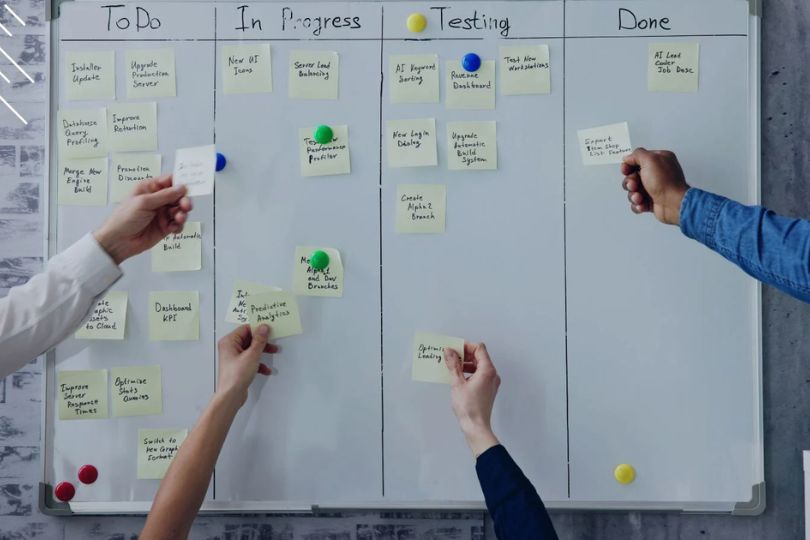
Why Scrum Masters Are Critical to Agile Transformation Success Introduction: The Role of Scrum Masters in Agile Transformation Agile transformation is more than just a methodology shift; it’s a cultural shift that requires a deep commitment to change from every level of an organization. One of the most pivotal roles in facilitating this transformation is that of the Scrum Master. Scrum Masters guide teams through the transition to Agile, helping them embrace Agile principles, improve their processes, and ultimately deliver better results. In this blog, we will explore why Scrum Masters are critical to the success of an Agile transformation. We’ll dive into their responsibilities, challenges, and the key factors that make them essential to any organization’s journey toward Agile success. 1: The Key Responsibilities of a Scrum Master Facilitating Agile Practices and Scrum Ceremonies Scrum Masters are facilitators of Agile practices within Scrum teams. They help ensure that the team follows the Scrum framework, making sure key ceremonies like Sprint Planning, Daily Standups, Sprint Review, and Sprint Retrospective are conducted effectively. This ensures the team stays aligned, transparent, and focused on continuous improvement. Sprint Planning: Ensures that the team has clear goals and a shared understanding of what needs to be accomplished. Daily Standups: Facilitates communication and synchronization within the team. Sprint Review and Retrospective: Guides the team to reflect on what went well and what could be improved. By facilitating these key ceremonies, Scrum Masters create an environment where collaboration, focus, and innovation thrive. Removing Impediments One of the Scrum Master’s most important roles is to remove impediments that prevent the team from being productive. Whether it’s technical roadblocks, organizational issues, or external dependencies, Scrum Masters act as problem-solvers, working with stakeholders and leadership to resolve these obstacles. Problem-Solving: They identify issues and work proactively to remove them before they affect the team’s velocity. Communication: Scrum Masters act as a bridge between the team and the broader organization, ensuring that roadblocks are communicated and addressed quickly. Effective impediment removal leads to smoother workflows and higher team morale, both crucial for the success of Agile transformations. Coaching and Mentoring the Team Scrum Masters are also coaches. They help team members, stakeholders, and the organization as a whole understand Agile principles and practices. By coaching, they empower individuals to adopt the mindset of continuous improvement and self-organization—two critical elements of Agile success. Agile Mindset: Scrum Masters instill the Agile mindset within teams, helping them embrace flexibility, collaboration, and constant iteration. Self-Organization: They guide the team to become more self-organized, which reduces reliance on external authority and fosters ownership of the work. In the context of Agile transformation, this coaching accelerates adoption and ensures that Agile principles take root within the team. 2: How Scrum Masters Drive Agile Transformation Success Building High-Performing Teams A key element of any Agile transformation is the formation of high-performing teams. Scrum Masters ensure that team members are not only skilled but also work together effectively. They create a safe and supportive environment where teams can experiment, fail, and learn, leading to stronger collaboration and innovation. Fostering Trust: Scrum Masters build trust within teams by encouraging transparency, open communication, and psychological safety. Continuous Improvement: Scrum Masters encourage the team to reflect on their work and processes regularly and make incremental improvements. By helping teams become more cohesive and self-sufficient, Scrum Masters lay the foundation for a sustainable Agile transformation. Promoting a Culture of Transparency and Communication Transparency is a core value in Agile, and Scrum Masters are its champions. They ensure that the team’s progress, challenges, and successes are visible to all stakeholders. This transparency fosters a culture of openness and communication, which is essential for an Agile organization to thrive. Visibility: Scrum Masters ensure that the team’s work is visible through tools like Scrum boards and burndown charts. Stakeholder Engagement: They keep stakeholders informed, facilitating regular communication between the team and leadership. By promoting transparency and open communication, Scrum Masters ensure that Agile processes are understood and respected across the organization. Aligning Team Goals with Organizational Objectives Agile transformations require alignment between team-level goals and the broader business objectives. Scrum Masters ensure that the work being done aligns with the strategic goals of the organization, helping to prioritize features and user stories that deliver the most value. Alignment: They collaborate with stakeholders to ensure the team works on high-priority tasks that directly contribute to business objectives. Value Delivery: Scrum Masters help the team focus on delivering value continuously, which is a key aspect of Agile methodologies. This alignment ensures that the team’s efforts directly contribute to the organization’s success, making Agile transformations more impactful. 3: Challenges Scrum Masters Face in Agile Transformation Resistance to Change One of the biggest challenges Scrum Masters face is resistance to change. Agile is a new way of thinking and working, and not everyone in the organization will embrace it immediately. Scrum Masters play a vital role in overcoming this resistance by educating teams and stakeholders, addressing concerns, and fostering a mindset shift. Change Management: They must manage change carefully, ensuring that the team and organization understand the benefits of Agile. Dealing with Pushback: Scrum Masters need to work with individuals and teams who may be resistant to Agile principles and help them see the value. By addressing resistance, Scrum Masters smooth the transition and ensure that Agile adoption is successful. Maintaining Stakeholder Engagement Agile transformations require active buy-in from leadership and other key stakeholders. Scrum Masters must ensure that stakeholders remain engaged throughout the process. This involves regular communication, setting expectations, and ensuring that the Agile vision aligns with organizational goals. Stakeholder Communication: Scrum Masters facilitate regular check-ins and provide stakeholders with the information they need to understand the transformation’s progress. Expectation Management: They help manage expectations by providing realistic timelines and clear insights into the Agile process. Maintaining strong stakeholder engagement is key to ensuring the transformation is supported at all levels. Balancing Scrum Roles and Responsibilities Scrum Masters must strike a balance between their responsibilities and

Scrum Master

Top Agile Metrics Every Scrum Master Should Know

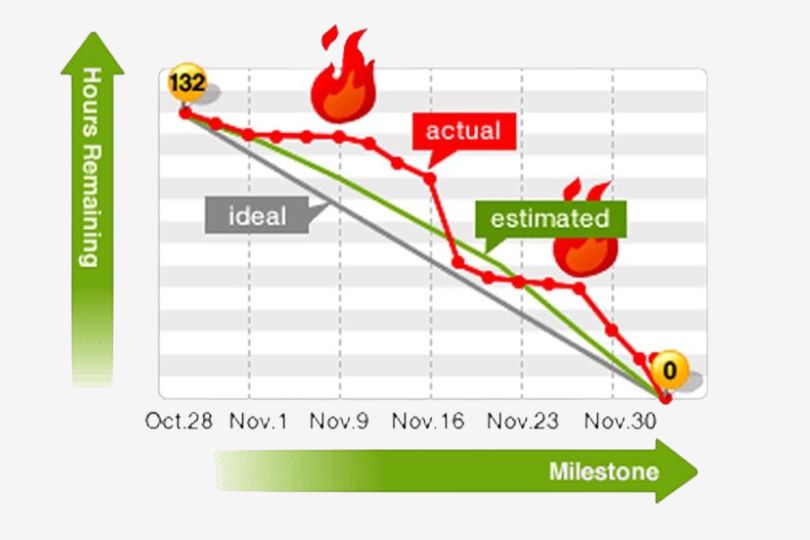
Top Agile Metrics Every Scrum Master Should Know Introduction: The Power of Agile Metrics for Scrum Masters As a Scrum Master, your role extends far beyond facilitating Scrum ceremonies and managing the team’s progress. To truly optimize team performance and drive continuous improvement, understanding and utilizing Agile metrics is essential. These metrics help you track progress, identify bottlenecks, and make data-driven decisions that lead to better results. In this blog, we will explore the top Agile metrics every Scrum Master should know. We’ll also discuss how to use these metrics effectively to enhance your Scrum team’s productivity and deliver high-quality products. 1: Why Agile Metrics Matter for Scrum Masters Data-Driven Decision Making Agile metrics offer valuable insights that help Scrum Masters make informed decisions. Instead of relying on gut feeling or assumptions, data allows for evidence-based action, whether you’re addressing team performance, scope creep, or stakeholder expectations. Continuous Improvement The Agile mindset focuses on continuous improvement. By regularly tracking key metrics, you can identify areas for improvement, streamline processes, and optimize workflows, leading to better overall performance over time. Transparency and Alignment Agile metrics help ensure that both the Scrum team and stakeholders are aligned. These metrics provide transparency into the progress and health of the project, ensuring that everyone is on the same page. 2: Top Agile Metrics Every Scrum Master Should Know 1. Velocity What is Velocity? Velocity is one of the most commonly used metrics in Agile. It tracks the amount of work a Scrum team completes during a sprint, typically measured in story points or hours. This metric helps predict how much work the team can take on in future sprints. Why it’s Important: Helps the team understand their capacity and plan accordingly. Provides insight into how well the team is performing over time. Helps with forecasting and setting realistic sprint goals. How to Use It: Track the velocity over multiple sprints to identify trends and determine if the team is improving. Use the average velocity from previous sprints to forecast the team’s workload in future sprints. Actionable Takeaway: If your team’s velocity drops significantly, review the past sprints for any obstacles or changes that may have affected performance. 2. Sprint Burndown Chart What is a Sprint Burndown Chart? A Sprint Burndown Chart tracks the amount of work remaining in the sprint and provides a visual representation of the team’s progress toward completing the sprint goals. It plots the remaining work versus time, showing how much effort is left on a daily basis. Why it’s Important: Provides a clear, real-time picture of the sprint’s progress. Helps identify any issues early, such as if the team is behind schedule. Improves transparency and helps with daily Scrum discussions. How to Use It: Analyze the burndown chart daily to check if the team is on track. If the burndown chart shows a flat or rising trend, it could indicate a bottleneck or unplanned work that is preventing progress. Actionable Takeaway: Use the Sprint Burndown Chart to motivate your team and keep them focused on the sprint goals. Address issues as soon as they arise to keep the team on track. 3. Cumulative Flow Diagram (CFD) What is a Cumulative Flow Diagram? A Cumulative Flow Diagram (CFD) shows the status of work items over time. It tracks how many items are in different workflow states, such as “To Do,” “In Progress,” and “Done.” The chart allows you to visualize how work moves through the system and where bottlenecks may occur. Why it’s Important: Helps you identify bottlenecks or areas where work is getting stuck. Provides insights into whether the team is focusing on finishing work or starting too many tasks simultaneously. Allows you to track the flow of work over time and make adjustments to the process as needed. How to Use It: Monitor the flow of work to ensure there is a balance between each stage. If the chart shows an accumulation of work in one stage, focus on removing bottlenecks by adjusting the process or reallocating resources. Actionable Takeaway: Use the CFD to monitor the efficiency of your team’s workflow and make necessary adjustments to eliminate bottlenecks. 4. Lead Time and Cycle Time What are Lead Time and Cycle Time? Lead Time: The total time from when a request is made (e.g., a user story is added to the backlog) until it’s completed. Cycle Time: The time it takes to complete a task once the work begins. Why it’s Important: These metrics help you understand how long it takes to deliver value to stakeholders or end-users. Helps identify delays and inefficiencies in the process. Cycle time can help you understand how quickly the team responds to requests, while lead time focuses on the overall delivery. How to Use It: Track lead and cycle time over multiple sprints to identify areas where delays may occur. Aim to reduce both lead time and cycle time through continuous process improvements. Actionable Takeaway: Focus on reducing cycle time by ensuring that work flows smoothly through the process, and review lead time to eliminate delays in the approval or initiation phases. 5. Work in Progress (WIP) What is Work in Progress (WIP)? Work in Progress (WIP) refers to the number of work items that are currently being worked on but have not yet been completed. Limiting WIP is a key principle in Agile, as it helps teams focus on finishing work before taking on new tasks. Why it’s Important: Helps teams avoid spreading themselves too thin and ensures they can focus on completing work. Reduces multitasking and improves team efficiency. Prevents bottlenecks by limiting the amount of work in any given workflow stage. How to Use It: Set WIP limits for each stage of the workflow to prevent overloading team members. Monitor WIP to ensure that the team is not taking on too much work at once, which can lead to decreased productivity. Actionable Takeaway: Implement WIP limits to maintain focus on completing work and improving the overall flow of tasks within

Scrum Master

Mastering the Art of Stakeholder Collaboration as a Scrum Master

Mastering the Art of Stakeholder Collaboration as a Scrum Master Introduction: The Crucial Role of Stakeholder Collaboration for Scrum Masters As a Scrum Master, one of your key responsibilities is to facilitate collaboration—not just within your team but also with stakeholders. Stakeholder collaboration is vital for project success, as it ensures alignment, clarifies expectations, and drives progress. Effective communication and relationship management can significantly enhance the productivity of the Scrum team and the value delivered to stakeholders. In this blog, we’ll explore the strategies, tools, and best practices to help Scrum Masters master the art of stakeholder collaboration. By honing these skills, you can elevate your team’s performance and deliver successful, impactful results. 1: Understanding Stakeholder Collaboration Who are the Stakeholders? Stakeholders are anyone who has an interest in the outcome of your project. They can include: Product Owners: The key decision-makers who define what needs to be built. Business Leaders: Individuals who represent the business side and have a vested interest in the product’s success. End Users: The ultimate consumers or users of the product. Team Members: Developers, designers, and testers who help create the product. External Partners or Vendors: Those who provide external services or products to complement the team’s work. Stakeholder collaboration ensures that everyone is on the same page, from the vision and objectives to the specific needs of the users. As a Scrum Master, your role is to create an environment where these diverse groups can communicate, align, and collaborate seamlessly. Hack #1: Set Clear Expectations The Challenge When stakeholders aren’t aligned, it can lead to miscommunication, confusion, and delays. This lack of alignment can negatively affect the Scrum team’s velocity and the quality of the product. The Solution Setting clear expectations from the outset is essential for successful collaboration. As a Scrum Master, you should: Clarify roles and responsibilities: Make sure all stakeholders understand their roles and how they contribute to the project’s success. Define the project goals: Ensure that the team and stakeholders have a shared understanding of the project’s vision and objectives. Communicate the Scrum framework: Educate stakeholders on how Scrum works, including ceremonies (e.g., sprints, stand-ups, retrospectives) and how they can engage. Actionable Takeaway: Host an initial alignment session to set clear expectations and establish a foundation for transparent communication throughout the project. Hack #2: Foster Open and Transparent Communication The Challenge Stakeholders often come from different departments, have different priorities, and communicate in varying ways. Miscommunication can lead to misunderstandings or even conflict, which hampers progress. The Solution Fostering an environment of open and transparent communication helps prevent misunderstandings. As a Scrum Master, you can: Be the bridge between the team and stakeholders: Communicate regularly to keep all parties informed of progress, changes, and challenges. Encourage regular feedback: Collect feedback from stakeholders frequently, not just during formal reviews, to ensure that you are always aligned with their needs. Promote active listening: Facilitate conversations where both stakeholders and team members listen to each other and work toward a common understanding. Actionable Takeaway: Leverage communication tools (e.g., Slack, email, or project management software) to keep stakeholders updated, and schedule regular check-ins to solicit their feedback. Hack #3: Build Strong Relationships and Trust The Challenge Effective collaboration requires trust. If stakeholders don’t trust the Scrum Master or the Scrum team, it can lead to micromanagement, resistance to change, and a lack of engagement. Building and maintaining trust is essential for smooth collaboration. The Solution As a Scrum Master, your role in building relationships and trust involves: Being approachable and reliable: Show stakeholders that you can be trusted to deliver results and resolve issues. Be transparent about challenges: Don’t hide problems or delays. Being honest and transparent builds credibility and shows that you’re actively working toward solutions. Facilitate win-win outcomes: Help stakeholders understand that the Scrum team is working toward delivering the best possible product for the organization, not just the team’s interests. Actionable Takeaway: Establish rapport with stakeholders by engaging with them outside formal meetings and showing a genuine interest in their perspectives and concerns. Hack #4: Engage Stakeholders in Sprint Reviews The Challenge Stakeholders often feel disconnected from the development process and may not fully understand the value or progress of the team. This disconnect can lead to dissatisfaction and misalignment with the project’s objectives. The Solution Involve stakeholders actively in the Scrum process, especially during sprint reviews: Invite stakeholders to sprint reviews: Use sprint reviews as an opportunity to showcase completed work and gather stakeholder feedback. Facilitate meaningful discussions: Encourage stakeholders to provide constructive feedback that helps the team make informed decisions moving forward. Use feedback to adjust priorities: Take stakeholders’ input into account when adjusting the product backlog or making decisions about future sprints. Actionable Takeaway: Ensure that sprint reviews are not just a presentation, but a two-way dialogue that empowers stakeholders to contribute to shaping the product. Hack #5: Manage Conflicting Priorities The Challenge Stakeholders often have different priorities, and conflicting needs can arise between business goals, user requirements, and technical constraints. These conflicts, if not managed properly, can derail the project. The Solution Manage conflicting priorities by: Facilitating compromise: Help stakeholders find common ground and make trade-offs where necessary. Be transparent about the consequences of prioritizing certain features over others. Use data to guide decisions: Present data or metrics (such as user feedback or market research) to support decisions, ensuring that stakeholders understand the reasoning behind prioritization. Escalate when needed: If conflicts become insurmountable, escalate the issue to leadership for resolution, while keeping communication lines open. Actionable Takeaway: Actively mediate conflicts, using data and transparent discussions to guide decision-making and align stakeholders. Hack #6: Educate Stakeholders on the Agile Process The Challenge Stakeholders, especially those new to Agile, may not fully understand the Scrum framework and its iterative nature. This lack of understanding can lead to unrealistic expectations or frustration when things don’t proceed according to a traditional waterfall model. The Solution As a Scrum Master, part of your job is to educate stakeholders on how Scrum

    This will close in 0 seconds