Welcome to DreamsPlus

Product Owner

What is a Product Roadmap? A Comprehensive Guide for Product Managers

What is a Product Roadmap? A Comprehensive Guide for Product Managers A product roadmap is a strategic document that outlines the vision, direction, and progression of a product over time. For product managers, it acts as a blueprint for aligning stakeholders, prioritizing tasks, and achieving the product’s long-term goals. In this comprehensive guide, we’ll delve into the essence of a product roadmap, its key components, and how to create one that drives results. What is a Product Roadmap? A product roadmap is a visual representation that communicates the high-level strategy and planned milestones for a product. It serves multiple purposes: Strategic Alignment: Ensures all teams and stakeholders are working towards the same goals. Prioritization: Helps in allocating resources effectively. Progress Tracking: Monitors progress and adjusts plans as needed. Stakeholder Communication: Provides clarity and transparency to internal and external stakeholders. Why is a Product Roadmap Important? Product roadmaps are essential for setting expectations and fostering collaboration. Without one, teams may struggle with misaligned priorities, inefficient resource allocation, and unclear goals. A well-crafted roadmap bridges the gap between strategy and execution. Key Components of a Product Roadmap A comprehensive product roadmap should include the following elements: 1. Vision and Goals Define the overarching purpose of the product. Answer questions like: What problem does the product solve? Who is the target audience? What are the long-term objectives? 2. Themes and Initiatives Group related features or tasks into themes to provide a high-level overview. For instance: “Enhance user experience” “Expand market reach” 3. Features and Deliverables Break down initiatives into specific features or tasks. Prioritize these based on: Customer feedback Business impact Technical feasibility 4. Timeline Choose a timeframe that aligns with your product’s lifecycle. Options include: Now, Next, Later: A flexible approach for dynamic industries. Quarterly Goals: Structured timelines for predictable progress. 5. Metrics and KPIs Establish measurable outcomes to evaluate success. Examples include: Increase in user acquisition by 20% Reduction in customer churn by 15% Enhanced feature adoption rate 6. Stakeholders and Responsibilities Clearly define who is responsible for what. Ensure alignment between: Product team Marketing team Development team Types of Product Roadmaps 1. Strategy Roadmap Focuses on long-term vision and high-level goals. Ideal for executive stakeholders. 2. Release Roadmap Details specific features and timelines for upcoming releases. Useful for engineering teams. 3. Feature Roadmap Concentrates on feature development and prioritization. Valuable for customer-facing teams. 4. Portfolio Roadmap Manages multiple products within an organization. Best suited for large enterprises. 5. Technology Roadmap Outlines technical initiatives like infrastructure upgrades. Crucial for IT and development teams. Steps to Create an Effective Product Roadmap Step 1: Define the Vision Start by clearly articulating the product’s vision and aligning it with business objectives. Collaborate with key stakeholders to ensure consensus. Step 2: Gather Data Collect input from: Customers: Surveys, interviews, and feedback. Stakeholders: Business goals and priorities. Market Research: Competitive analysis and industry trends. Step 3: Prioritize Initiatives Use prioritization frameworks such as: MoSCoW Method: Must-haves, Should-haves, Could-haves, and Won’t-haves. RICE Scoring: Reach, Impact, Confidence, and Effort. Value vs. Effort Matrix: Balance business value against implementation complexity. Step 4: Choose a Format Select a format that aligns with your audience. Common formats include: Timeline View: Shows specific dates and deadlines. Kanban Boards: Visualizes tasks across stages (e.g., To Do, In Progress, Done). Step 5: Communicate and Collaborate Share the roadmap with all stakeholders and gather feedback. Use tools like: Aha! Jira Trello Asana Step 6: Monitor and Update Regularly review and update the roadmap to reflect: Changes in priorities Market dynamics Feedback from stakeholders Best Practices for Product Roadmaps 1. Keep It Flexible Ensure your roadmap can adapt to unforeseen changes without losing focus on long-term goals. 2. Avoid Overloading Focus on the most impactful initiatives. Overloading the roadmap can dilute priorities and lead to execution failures. 3. Involve Stakeholders Engage cross-functional teams in the planning process to gain diverse perspectives and foster buy-in. 4. Use Clear Language Avoid jargon and use clear, concise descriptions for features and initiatives. 5. Align with Business Goals Every element of the roadmap should tie back to overarching business objectives. Challenges in Roadmap Planning 1. Balancing Short-Term and Long-Term Goals Product managers often face pressure to deliver quick wins while pursuing strategic objectives. 2. Managing Stakeholder Expectations Conflicting priorities among stakeholders can make alignment challenging. 3. Resource Constraints Limited resources require careful prioritization and trade-offs. Tools for Roadmap Creation Aha!: Comprehensive product management platform. Jira: Ideal for agile teams. Monday.com: User-friendly interface for roadmap planning. Roadmunk: Specializes in collaborative roadmap creation. Trello: Visual task management for small teams. Conclusion A product roadmap is more than a planning tool; it’s a communication asset that aligns teams and drives product success. By focusing on vision, prioritization, and collaboration, product managers can create roadmaps that not only guide their teams but also deliver exceptional value to customers. Are you ready to craft a roadmap that paves the way for success? Start today and transform your product strategy! Want to master the art of product management? Subscribe to our newsletter for actionable insights, expert tips, and the latest trends in the industry.

Product Owner

The Art of Prioritization: How Product Managers Make the Right Choices

The Art of Prioritization: How Product Managers Make the Right Choices In the dynamic world of product management, prioritization stands as a cornerstone skill. With countless tasks, competing demands, and limited resources, making the right choices can determine a product’s success or failure. This blog dives into the art of prioritization, offering actionable insights to help product managers excel. Why Prioritization Matters in Product Management Effective prioritization ensures that: The most impactful tasks are addressed first. Resources are allocated efficiently. Teams remain focused on delivering value. Stakeholder expectations are managed effectively. Without proper prioritization, product teams risk spreading themselves too thin, delaying critical launches, or missing market opportunities. The Key Principles of Prioritization To master prioritization, product managers need to: 1. Align with Business Goals Prioritization begins with a clear understanding of your organization’s objectives. Whether it’s increasing revenue, improving customer satisfaction, or expanding market share, aligning tasks with these goals ensures that every decision drives the company forward. 2. Understand Customer Needs Customer-centricity is at the heart of product management. Use customer feedback, surveys, and analytics to identify pain points and prioritize features or fixes that address them. 3. Balance Short-Term Wins with Long-Term Vision While quick wins can build momentum, don’t lose sight of your product’s long-term roadmap. A balance ensures steady progress without compromising the bigger picture. 4. Leverage Data for Decision-Making Data-driven prioritization minimizes bias and guesswork. Metrics like customer usage patterns, churn rates, and ROI projections provide clarity on what deserves attention. Popular Prioritization Frameworks Product managers can rely on tried-and-tested frameworks to streamline their decision-making processes: 1. MoSCoW Method Categorize tasks into: Must-Have: Critical tasks without which the product fails. Should-Have: Important but not urgent. Could-Have: Nice-to-have features that can wait. Won’t-Have: Tasks that don’t add value currently. 2. RICE Scoring RICE evaluates tasks based on: Reach: How many users will it impact? Impact: How significant is the benefit? Confidence: How sure are you about the impact? Effort: How much work is required? 3. Eisenhower Matrix Classify tasks into four quadrants based on urgency and importance: Urgent and important: Do immediately. Important but not urgent: Plan for later. Urgent but not important: Delegate. Neither: Eliminate. Tips for Effective Prioritization 1. Communicate Transparently Stakeholders may have conflicting priorities. Clear communication about why certain tasks are prioritized helps build trust and alignment. 2. Stay Agile Priorities can shift due to market changes or new data. Regularly review and adjust your roadmap to stay relevant. 3. Collaborate with Your Team Involve cross-functional teams in the prioritization process. Their insights ensure a holistic approach. 4. Avoid Overloading Trying to do everything at once can lead to burnout and inefficiency. Focus on a manageable number of priorities to maintain quality and momentum. Challenges in Prioritization and How to Overcome Them 1. Conflicting Stakeholder Demands Solution: Use frameworks like RICE or MoSCoW to provide objective reasoning for your decisions. 2. Limited Resources Solution: Focus on high-impact, low-effort tasks to maximize ROI. 3. Uncertainty in Outcomes Solution: Pilot features or A/B test to gather data before full-scale implementation. The Role of Tools in Prioritization Modern tools simplify the prioritization process: JIRA: For tracking and prioritizing tasks. Trello: A visual way to organize workflows. Aha!: Helps align tasks with strategic goals. Asana: Ensures team collaboration on prioritized tasks. Final Thoughts Prioritization isn’t just about choosing what to do—it’s also about deciding what not to do. By aligning with business goals, understanding customer needs, and leveraging frameworks, product managers can make informed decisions that drive success. Ready to refine your prioritization skills? Start implementing these strategies today and watch your product management journey soar. Do you want to stay updated with more product management insights? Subscribe to our newsletter and take the first step toward mastering the art of prioritization!

Product Owner

Product Manager vs. Project Manager: Key Differences Explained

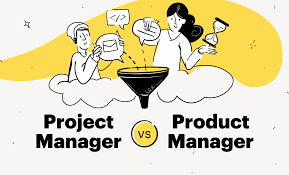
Product Manager vs. Project Manager: Key Differences Explained When navigating the world of business and technology, two critical roles often stand out: the Product Manager (PM) and the Project Manager (PjM). While their titles sound similar, their responsibilities and areas of focus differ significantly. Understanding these differences can help organizations assign roles effectively and ensure seamless collaboration. What is a Product Manager? A Product Manager is primarily responsible for defining the what, why, and who of a product. They focus on: Vision and Strategy: Defining the product’s roadmap and aligning it with the organization’s goals. Market Research: Analyzing market trends, customer needs, and competitor strategies. Stakeholder Collaboration: Coordinating with cross-functional teams such as engineering, marketing, and sales. Prioritization: Deciding which features or updates bring the most value to users. Key Responsibilities of a Product Manager: Product Roadmap: Creating and maintaining a strategic plan for the product. Customer Insights: Engaging with users to gather feedback and refine the product. KPIs and Metrics: Tracking product performance to ensure objectives are met. What is a Project Manager? A Project Manager, on the other hand, is focused on how and when a project gets delivered. Their primary responsibilities include: Planning and Execution: Creating detailed project plans and schedules. Resource Allocation: Ensuring the right resources are available for project tasks. Risk Management: Identifying potential risks and devising mitigation strategies. Team Coordination: Leading teams to deliver projects on time and within budget. Key Responsibilities of a Project Manager: Timeline Management: Monitoring deadlines and adjusting schedules as needed. Budget Oversight: Ensuring projects stay within financial constraints. Communication: Keeping stakeholders informed about project progress. Comparing Key Differences Aspect Product Manager Project Manager Focus Product vision and user needs Project delivery and timelines Objective Delivering a valuable product Completing a project successfully Primary Stakeholders Customers, users, and business leaders Internal teams and project sponsors Tools Used Roadmap software, analytics tools Gantt charts, project management software Scope End-to-end product lifecycle Specific projects within a lifecycle How They Collaborate Although their focuses differ, Product Managers and Project Managers often work together closely. For example: During Development: PMs define the features and priorities, while PjMs ensure the development team adheres to timelines. Stakeholder Management: Both roles collaborate to align internal and external stakeholders. Problem Resolution: PMs handle strategic pivots, and PjMs address execution challenges. A Real-World Example Imagine launching a mobile app: The Product Manager determines the app’s features based on market research. The Project Manager ensures developers meet deadlines and stay within budget. Which Role is Right for You? Your choice between Product Manager and Project Manager depends on your interests and skills: Product Manager: Ideal for those passionate about customer needs, product design, and strategy. Project Manager: Suited for individuals who excel in planning, organization, and execution. Final Thoughts While both roles are distinct, they are equally essential for a company’s success. Understanding their differences helps create better workflows, enhance communication, and drive both product and project success. Are you ready to explore your potential in these roles? Subscribe to our newsletter to gain more insights and tips for building your career.

Product Owner

How to Transition into a Product Manager Role: A Step-by-Step Guide

How to Transition into a Product Manager Role: A Step-by-Step Guide Transitioning into a product manager (PM) role can be a rewarding career move. Whether you’re shifting from a technical, marketing, or business background, becoming a PM requires developing a unique blend of skills, mindset, and experience. This step-by-step guide will help you navigate the process effectively. Understanding the Role of a Product Manager Before diving into the transition, it’s essential to understand what being a product manager entails. Key Responsibilities Strategy Development: Defining the product vision and aligning it with business goals. Stakeholder Collaboration: Coordinating across teams, including engineering, design, and marketing. Customer Focus: Understanding user needs and ensuring the product meets them. Execution: Managing product roadmaps, backlogs, and releases. Core Skills Communication: Clear and concise interaction with stakeholders Analytical Thinking: Interpreting data to make informed decisions. Prioritization: Balancing features, timelines, and resources. Technical Understanding: Basic knowledge of software development processes. Step 1: Assess Your Current Skills and Experience Identify Transferable Skills From Technical Roles: Knowledge of development processes, tools, and problem-solving. From Marketing Roles: Understanding customer personas, market analysis, and positioning. From Business Roles: Experience with strategic planning, financial analysis, and leadership. Gap Analysis Create a list of required PM skills. Compare them with your current skill set to identify areas for improvement. Step 2: Gain Product Management Knowledge Learn the Fundamentals Enroll in online courses or read books to build foundational knowledge. Recommended Courses: Coursera: “Digital Product Management Specialization” Udemy: “Become a Product Manager” Books to Read: “Inspired” by Marty Cagan “Cracking the PM Interview” by Gayle McDowell and Jackie Bavaro Explore Product Management Frameworks Familiarize yourself with: Agile and Scrum methodologies. Prioritization techniques like MoSCoW or RICE. Design thinking processes. Step 3: Build Relevant Experience Take on PM-Like Responsibilities If you’re currently employed, seek opportunities to act as a PM within your role. Examples: Lead cross-functional projects. Define requirements for a new feature. Coordinate between teams to deliver outcomes. Freelance or Volunteer Offer your skills to startups or non-profits to gain hands-on PM experience. Platforms like Upwork and Toptal often have opportunities for entry-level product management projects. Step 4: Network with Product Managers Attend Industry Events Participate in product management meetups, conferences, or webinars. Examples: Product School webinars. Local PM networking events. Seek Mentorship Connect with experienced PMs on LinkedIn or through professional networks. Questions to Ask: What skills were most valuable in their transition? What advice do they have for newcomers? Step 5: Build a Strong Application Tailor Your Resume Highlight transferable skills and relevant projects. Questions to Ask: Use metrics to demonstrate impact (e.g., “Led a cross-functional team to deliver a project 10% under budget”). Showcase leadership and collaboration. Craft a Compelling Cover Letter Explain your interest in product management and how your background makes you a strong candidate. Prepare for Interviews Learn how to answer common PM interview questions. Practice case studies, such as designing a new feature for a popular app. Step 6: Stay Up-to-Date with Industry Trends Follow Influential PMs and Blogs Blogs to Read: Mind the Product Silicon Valley Product Group Influencers to Follow: Ken Norton Julie Zhuo Join Communities Engage with product management communities on Slack, Reddit, or Twitter to exchange ideas and learn from peers. Final Thoughts Transitioning into a product manager role is a journey that requires dedication, learning, and persistence. By following these steps, you can position yourself for success and embark on a fulfilling career. Ready to kickstart your product management career? Subscribe to our newsletter for more actionable tips and resources, and take the first step towards becoming a successful product manager!

Product Owner

A Day in the Life of a Product Manager: Balancing Strategy and Execution

A Day in the Life of a Product Manager: Balancing Strategy and Execution Product management is often described as a balancing act between strategy and execution. A product manager (PM) is responsible for guiding a product’s lifecycle, ensuring it aligns with business goals and customer needs. But what does a typical day look like for a PM? In this blog, we walk through a day in the life of a product manager, showcasing how they juggle priorities, make impactful decisions, and drive success. Morning: Setting the Tone for the Day 1. Reviewing the Roadmap and Priorities The day usually begins with reviewing the product roadmap and prioritizing tasks for the day. A PM must ensure alignment with long-term goals while addressing immediate needs. Key Activities: Checking the project management tool (e.g., Jira, Trello) for updates. Identifying blockers and planning resolutions. Reviewing metrics to track progress. 2. Team Stand-Up Meetings Most PMs start their day with a stand-up meeting with the development team. These meetings foster alignment and communication. Purpose: Understand what team members are working on. Address challenges and provide clarity. Share updates on timelines and expectations. 3. Customer Insights Review Understanding customer needs is at the core of product management. Morning hours are often dedicated to reviewing customer feedback. Methods: Analyzing survey data. Reviewing support tickets. Engaging in direct conversations with users or customers. Midday: Collaboration and Execution 4. Cross-Functional Collaboration PMs act as the bridge between teams, ensuring everyone is on the same page. Key Collaborations: With Designers: Reviewing wireframes or prototypes to ensure they meet user needs. With Marketing: Aligning on go-to-market strategies. With Sales: Providing product updates to help close deals. 5. Strategy and Planning During the midday hours, PMs often focus on strategic tasks such as planning new features or products. Activities: Conducting competitive analysis. Brainstorming with stakeholders. Prioritizing features using frameworks like RICE (Reach, Impact, Confidence, Effort). 6. Writing and Documentation Clear documentation ensures everyone is aligned. Examples of Documentation: Writing user stories and acceptance criteria. Creating product requirement documents (PRDs). Updating wikis or knowledge bases. Afternoon: Execution and Decision-Making 7. Problem-Solving and Decision-Making Afternoons are often filled with unexpected challenges that require quick thinking. Examples of Challenges: Resolving a technical blocker with the development team. Addressing stakeholder concerns about a timeline. Deciding on feature trade-offs based on resource constraints. 8. Tracking Progress Monitoring the status of ongoing projects ensures that everything stays on track. Tools Used: Analytics platforms like Google Analytics or Mixpanel. Project management dashboards. Feedback from team members. Evening: Reflection and Planning Ahead 9. Reviewing Daily Achievements Before wrapping up, PMs take time to reflect on the day’s accomplishments and identify areas for improvement. Questions to Ask: What went well today? What challenges need attention tomorrow? Are there any updates to communicate to stakeholders? 10. Planning for Tomorrow Setting priorities for the next day ensures a productive start. Key Tasks: Updating the to-do list based on today’s progress. Scheduling meetings or follow-ups. Preparing materials for upcoming presentations. Tips for Aspiring Product Managers Stay Organized: Use tools like Notion, Asana, or Monday.com to manage tasks efficiently. Communicate Clearly: Practice concise and persuasive communication. Be Adaptable: Embrace changes and pivot strategies when necessary. Focus on Learning: Stay updated with industry trends and best practices. Final Thoughts The life of a product manager is dynamic and multifaceted, requiring a balance between strategy and execution. By mastering time management, communication, and problem-solving, PMs can navigate the challenges of the role effectively. Want to learn more about the skills and tools that make product managers successful? Subscribe to our newsletter and stay ahead in your product management journey!

Product Owner

Top 10 Skills Every Product Manager Needs to Succeed

Top 10 Skills Every Product Manager Needs to Succeed The role of a product manager (PM) is at the crossroads of strategy, design, and technology. To succeed, PMs must master a diverse set of skills that enable them to navigate the complex product lifecycle, from ideation to execution. In this blog, we delve into the top 10 skills every product manager needs to excel. 1. Communication Skills Effective communication is the cornerstone of product management. PMs interact with diverse teams—engineering, marketing, and design—to align efforts toward a shared goal. How to Improve: Practice Active Listening: Understand concerns and ideas before responding. Clear Writing: Use concise language in emails, reports, and documentation. Presentation Skills: Hone your ability to convey ideas confidently and persuasively. 2. Leadership Product managers lead without direct authority, influencing teams to work collaboratively toward the product vision. Key Aspects: Vision Setting: Define and communicate a compelling product vision. Team Empowerment: Encourage innovation and ownership within the team. Conflict Resolution: Mediate disputes effectively to maintain focus. 3. Strategic Thinking PMs must think beyond immediate tasks, considering long-term objectives and market positioning. Steps to Enhance Strategy: Conduct SWOT (Strengths, Weaknesses, Opportunities, Threats) analysis Stay informed about industry trends and competitors. Prioritize tasks based on impact and alignment with business goals. 4. Customer Empathy Understanding your users’ needs and pain points is critical for creating meaningful products. Ways to Build Empathy: User Interviews: Engage directly with customers to gain insights. Surveys and Feedback: Collect data through tools like Typeform or Google Forms. User Personas: Create detailed profiles to represent key audience segments. 5. Analytical Thinking Data-driven decision-making separates great PMs from the rest. Analytical thinking ensures that product strategies are backed by solid evidence. Tools to Use: Google Analytics for website traffic and behavior insights. Mixpanel or Amplitude for product usage analytics. Tableau or Power BI for visualizing data trends. 6. Technical Knowledge While product managers don’t need to code, understanding technical fundamentals helps in collaborating with developers and making informed decisions. Focus Areas: Learn the basics of APIs, databases, and system architecture. Understand software development methodologies like Agile and Scrum. Stay updated on emerging technologies relevant to your industry. 7. Time Management With multiple tasks and tight deadlines, time management is essential to maintain productivity. Tips to Improve: Use tools like Trello or Asana for task organization. Follow prioritization frameworks like Eisenhower Matrix. Allocate time for focused, uninterrupted work sessions. 8. Problem-Solving Challenges are inevitable in product management. The ability to solve problems creatively and efficiently is invaluable. Problem-Solving Frameworks: 5 Whys: Identify the root cause of an issue. Fishbone Diagram: Visualize potential causes of a problem. Brainstorming Sessions: Involve team members for diverse perspectives. 9. Collaboration Product management thrives on teamwork. Building strong relationships with stakeholders ensures smooth product development and execution. How to Foster Collaboration: Schedule regular sync meetings with cross-functional teams. Create a shared roadmap to align on priorities. Use collaboration tools like Slack or Microsoft Teams. 10. Adaptability The dynamic nature of product management demands flexibility and resilience in the face of change. How to Stay Adaptable: Embrace feedback as an opportunity for growth. Stay open to new ideas and alternative approaches. Develop contingency plans to address unexpected challenges. Final Thoughts Mastering these top 10 skills will not only enhance your effectiveness as a product manager but also position you as a key driver of your organization’s success. Each skill complements the others, creating a holistic foundation for navigating the complexities of the role. Ready to level up your product management skills? Subscribe to our blog for more expert insights and resources. Let’s shape the future of innovation together!

Axure Cloud

How Axure Cloud Enhances User Experience Design

How Axure Cloud Enhances User Experience Design Introduction User experience (UX) design plays a crucial role in the success of digital products. The process of creating a seamless and intuitive experience for users can be complex, involving a combination of strategy, creativity, and collaboration. Axure Cloud is an innovative platform that empowers designers to streamline this process by offering powerful features for prototyping, collaboration, and feedback collection. In this blog, we’ll explore how Axure Cloud enhances user experience design and why it’s a must-have tool for modern design teams. What is Axure Cloud? Axure Cloud is an online platform that allows designers to share, collaborate on, and test interactive prototypes. It works in tandem with Axure RP, a desktop application for creating high-fidelity wireframes and prototypes. By hosting prototypes in the cloud, Axure Cloud enables remote teams to collaborate, gather feedback, and iterate on designs in real time. Key Features of Axure Cloud That Enhance UX Design 1. Interactive Prototypes for Real-World Experience Creating interactive prototypes is one of the most effective ways to design and test user experiences. With Axure Cloud, designers can develop prototypes that simulate actual user interactions, such as clicking buttons, submitting forms, and navigating between pages. This allows stakeholders to experience the design as users would, providing a much clearer understanding of the final product. Real-World Interactions: Include dynamic elements like hover states, transitions, and animations to replicate real-life interactions. User Testing: With realistic interactions, you can conduct user testing to observe how users navigate through your prototype and make improvements based on their behavior. Actionable Tip: Keep your prototypes focused on key user flows and interactions, especially during the early stages of design, to ensure you’re validating the most important aspects of the user experience. 2. Streamlined Collaboration with Team Members and Stakeholders UX design is rarely a solo endeavor. It often requires collaboration among designers, developers, product managers, and other stakeholders. Axure Cloud excels in this area by offering real-time collaboration features, making it easier for everyone involved to stay on the same page. Live Collaboration: Multiple team members can work on the same project simultaneously. This reduces the need for lengthy review cycles and ensures faster decision-making. Access Control: Axure Cloud provides different levels of access, allowing you to control who can view, comment, or edit the prototypes. Actionable Tip: Take advantage of Axure Cloud’s live collaboration to involve stakeholders early in the process. This can help avoid costly revisions later on and ensures that the design is aligned with business goals. 3. Real-Time Feedback and Comments Feedback is a critical part of UX design. Axure Cloud allows you to collect feedback directly on the prototype, which can be especially helpful in clarifying design decisions and understanding user needs. Inline Comments: Stakeholders can leave comments directly on the prototype, indicating specific areas that need attention. This eliminates confusion and ensures that feedback is actionable. Clear Feedback Loop: The ability to gather feedback in real time allows for quicker iterations, helping you improve the design faster and avoid long delays. Actionable Tip: Set clear guidelines for leaving feedback on prototypes. Encourage stakeholders to be specific about what works and what needs improvement to keep the feedback loop productive. 4. Version Control for Seamless Design Iteration As UX designs evolve, keeping track of changes can become difficult. Axure Cloud makes this easier by offering version control. Every time you publish a new version of a prototype, Axure Cloud automatically saves it, allowing you to easily review and compare previous iterations. Track Changes: With version control, you can see who made which changes, making it easier to understand how the design has evolved over time. Revert to Previous Versions: If a recent change doesn’t work as expected, you can revert to a previous version of the prototype to preserve the integrity of the design. Actionable Tip: Use version control to document major design decisions and updates. This will not only keep your prototypes organized but will also help explain the rationale behind design changes to stakeholders. 5. Cross-Platform Compatibility for Testing and Collaboration Axure Cloud ensures that your prototypes are accessible from any device—whether your stakeholders are on desktop computers, tablets, or smartphones. This cross-platform compatibility allows you to test prototypes across different devices and gather feedback without worrying about technical restrictions. Mobile-First Testing: With mobile-friendly prototypes, you can test the responsiveness of your design and ensure that users have a seamless experience on all screen sizes. On-the-Go Collaboration: Since Axure Cloud is cloud-based, collaborators can review prototypes from anywhere and provide feedback in real time. Actionable Tip: Regularly check the feedback section of your prototype to stay on top of comments and suggestions. Encourage your team and stakeholders to provide specific and actionable feedback that can guide your design decisions. 6. User Testing and Analytics for Data-Driven Design Decisions Axure Cloud takes user testing to the next level by integrating analytics tools that allow you to track how users interact with your prototypes. You can monitor which elements of the design are getting attention, where users are dropping off, and which interactions are most engaging. Behavior Tracking: Gather data on user behavior, including clicks, form submissions, and navigational paths. User Feedback: Combine quantitative data with qualitative feedback from real users to make informed decisions about design improvements. Actionable Tip: After conducting user testing, use the insights gathered to refine the design, focusing on areas where users may struggle or become confused. Analytics data can highlight friction points that might not be obvious through traditional design review processes. 7. Centralized Platform for Design Resources Managing design files, prototypes, and feedback in a centralized platform ensures that everyone is working from the same set of assets. Axure Cloud acts as a central hub where all project files, notes, and comments are stored, making it easy to access and share resources as needed. Efficient File Management: Organize your prototypes and assets within Axure Cloud to keep everything in one place. Easy Sharing: Share your prototypes with

Scrum Master

A Day in the Life of a Scrum Master: Behind the Scenes

A Day in the Life of a Scrum Master: Behind the Scenes Being a Scrum Master is more than facilitating meetings or tracking sprint progress—it’s about enabling a team to deliver value consistently and sustainably. A Scrum Master serves as a coach, facilitator, and problem-solver, working tirelessly behind the scenes to ensure smooth workflows, foster collaboration, and drive continuous improvement. This blog takes you through a typical day in the life of a Scrum Master and highlights actionable insights that can help you elevate your role. Morning Routine: Preparing for the Day Ahead The day usually starts early for a Scrum Master. Before the team arrives, preparation is key. Review the sprint board: Check the current status of tasks and identify any potential blockers. Update key stakeholders: Prepare reports or updates for the Product Owner and other stakeholders. Plan the day’s priorities: List key meetings, impediments to address, and tasks requiring immediate attention. This proactive approach ensures the Scrum Master is ready to tackle the day head-on. 9:00 AM – Daily Stand-Up Meeting The daily stand-up is a cornerstone of Scrum, providing the team a chance to sync up. Key Responsibilities During Stand-Up: 1. Facilitate the meeting: Ensure the stand-up stays within 15 minutes and that everyone answers three key questions: What did you do yesterday? What will you do today? Are there any impediments? 2. Identify blockers: Take note of any issues raised and follow up after the meeting. 3. Promote focus: Keep the conversation relevant and avoid problem-solving during the stand-up. By keeping the stand-up efficient, the Scrum Master helps the team stay aligned and productive. Mid-Morning: Resolving Impediments and Supporting the Team Once the stand-up is done, the Scrum Master focuses on resolving impediments. Common Tasks During This Period: Addressing external dependencies: Collaborate with external teams or stakeholders to unblock the team. Facilitating ad-hoc discussions: Sometimes, team members need immediate support to clarify requirements or technical issues. Coaching individuals: Offer guidance on agile best practices, ensuring the team follows Scrum principles effectively. Removing impediments quickly allows the team to maintain their momentum. Noon: Strategic Alignment with Product Owner Scrum Masters work closely with the Product Owner to ensure the backlog is well-groomed and aligned with business goals. Key Activities: Backlog refinement: Review upcoming stories and ensure they are well-defined, with clear acceptance criteria. Prioritization discussions: Help the Product Owner prioritize work based on value and feasibility. Stakeholder communication: Coordinate with key stakeholders to manage expectations and gather feedback. This collaboration ensures that the team works on the most valuable tasks. Early Afternoon: Coaching and Continuous Improvement A significant part of a Scrum Master’s role is fostering a culture of continuous improvement. Techniques to Drive Improvement: Host agile coaching sessions: Conduct sessions on topics such as agile metrics, Scrum roles, or effective retrospectives. Promote self-organization: Encourage the team to take ownership of their processes and outcomes. Analyze metrics: Review sprint metrics like velocity and cycle time to identify trends and areas for improvement. By investing in the team’s growth, the Scrum Master helps build a high-performing, self-sustaining team. Late Afternoon: Sprint Events and Stakeholder Engagement Scrum Masters often spend their afternoons facilitating key sprint events or engaging with stakeholders. Typical Sprint Events: Sprint Review: Ensure the team demonstrates their work effectively and gathers valuable feedback. Sprint Retrospective: Guide the team in reflecting on what went well and what can be improved. Sprint Planning: Collaborate with the Product Owner to define the next sprint’s goals and ensure the team commits to a realistic workload. Stakeholder Engagement: Update progress reports: Share sprint progress and key outcomes with stakeholders. Address stakeholder concerns: Act as a bridge between the team and stakeholders to manage expectations. Effective facilitation and communication during these events ensure smooth sprint execution. End of the Day: Reflection and Planning for Tomorrow The day ends with a brief reflection and preparation for the next day. End-of-Day Checklist: Review progress: Ensure that tasks planned for the day were completed or identify carryover items. Plan for tomorrow: List out key priorities and meetings for the following day. Self-reflection: Take a moment to reflect on your own performance and identify areas to improve A disciplined end-of-day routine helps the Scrum Master stay organized and continuously improve their own effectiveness. Tools of the Trade Scrum Masters rely on various tools to manage their responsibilities efficiently. Popular Tools: Project Management: Jira, Trello, or Azure DevOps for tracking tasks and sprints. Collaboration: Slack, Microsoft Teams, or Zoom for communication. Reporting: Confluence or Google Sheets for maintaining sprint reports and documentation. Agile Metrics: Tools like Burndown charts, Cumulative Flow Diagrams, and Velocity charts. Using the right tools ensures better visibility and collaboration across the team. Final Thoughts: Continuous Learning and Adaptation The role of a Scrum Master is dynamic, requiring continuous learning and adaptation. Staying updated with agile trends, attending industry events, and experimenting with new techniques can help Scrum Masters stay ahead of the curve. Key Takeaways: A Scrum Master’s day involves much more than meetings; it’s about enabling the team to deliver value. Effective facilitation, proactive impediment resolution, and strategic alignment with the Product Owner are crucial. Continuous improvement, both for the team and oneself, is the hallmark of a great Scrum Master. Call to Action Are you ready to take your Scrum Master skills to the next level? Start by applying these strategies in your daily routine and watch your team’s performance soar! Share this blog with fellow Scrum Masters and join the conversation by leaving a comment below.

Scrum Master

From Good to Great: How Scrum Masters Can Elevate Team Performance

From Good to Great: How Scrum Masters Can Elevate Team Performance A Scrum Master’s role is critical in transforming good teams into great ones. While a team can follow the Scrum framework to deliver results, an exceptional Scrum Master can inspire the team to achieve peak performance. This blog explores how Scrum Masters can elevate team performance by mastering key skills, fostering collaboration, and driving continuous improvement. 1. Setting a Clear Vision and Purpose A team performs best when it understands the bigger picture. Scrum Masters should: Ensure alignment with organizational goals: Help the team connect their work with the company’s mission. Clarify sprint goals: Collaborate with the Product Owner to set clear, achievable goals for each sprint. Foster a sense of purpose: Encourage the team to see how their contributions impact the end-user. By establishing a shared vision, Scrum Masters inspire teams to work with a unified purpose. 2. Fostering a Culture of Psychological Safety High-performing teams thrive in environments where they feel safe to take risks, voice concerns, and share ideas. Scrum Masters can promote psychological safety by: Encouraging open communication: Create a space where team members feel comfortable sharing their thoughts without fear of judgment. Embracing failures as learning opportunities: Help the team view setbacks as chances to learn and improve. Resolving conflicts constructively: Act as a mediator to ensure conflicts are resolved positively. A safe environment nurtures creativity, collaboration, and continuous learning. 3. Encouraging Cross-Functional Collaboration Scrum Masters must ensure that all team members, regardless of their roles, collaborate effectively. This involves: Breaking down silos: Encourage cross-discipline collaboration between developers, testers, and designers. Facilitating knowledge sharing: Organize knowledge-sharing sessions or pair programming activities. Promoting team autonomy: Empower the team to make decisions collectively without micromanagement. Cross-functional collaboration enhances problem-solving and accelerates delivery. 4. Mastering the Art of Facilitation Effective facilitation ensures that Scrum ceremonies are not just routine meetings but value-driven discussions. To master facilitation, Scrum Masters should: Prepare agendas in advance: Clearly define the purpose and structure of meetings. Time-box discussions: Keep meetings within the allocated time to maintain focus. Encourage participation: Ensure that every team member’s voice is heard. Great facilitation maximizes the value of Scrum events and keeps the team engaged. 5. Removing Impediments Proactively Teams can lose momentum when they face roadblocks. A key responsibility of the Scrum Master is to remove these impediments promptly. Common approaches include: Identifying external dependencies: Coordinate with external teams to resolve dependencies. Eliminating process inefficiencies: Continuously review and refine workflows. Addressing team concerns: Regularly check in with team members to identify and resolve issues. Proactive impediment removal keeps the team focused on delivering value. 6. Promoting Continuous Improvement Scrum Masters must cultivate a mindset of continuous improvement within the team. This can be achieved by: Facilitating retrospectives: Encourage the team to reflect on their processes and identify areas for improvement. Implementing incremental changes: Help the team implement small, manageable changes that drive improvement. Tracking progress: Use metrics such as cycle time and velocity to measure improvements over time. Continuous improvement leads to higher efficiency and better outcomes. 7. Leveraging Metrics and Feedback Metrics provide insights into team performance, while feedback helps refine processes. Scrum Masters can: Use actionable metrics: Focus on metrics that drive improvement, such as lead time and defect rates Encourage feedback loops: Foster a culture where feedback is regularly shared and acted upon. Analyze sprint data: Review sprint outcomes to identify trends and areas for improvement By combining metrics with feedback, Scrum Masters can make data-driven decisions to enhance performance. 8. Building a Positive Team Environment A motivated team performs better. Scrum Masters should focus on building a positive environment by: Celebrating successes: Acknowledge both individual and team achievements. Promoting work-life balance: Ensure the team doesn’t burn out by advocating for sustainable work practices. Encouraging team bonding: Organize team-building activities to strengthen relationships. A positive environment boosts morale and productivity. 9. Staying Updated with Industry Trends Agile practices evolve continuously. To remain effective, Scrum Masters should: Attend agile meetups and conferences: Stay informed about the latest trends and best practices. Read industry publications: Follow blogs, podcasts, and books on agile methodologies. Experiment with new techniques: Encourage the team to try new approaches and evaluate their effectiveness. Staying updated ensures that Scrum Masters bring fresh ideas to the team. 10. Driving Organizational Agility Scrum Masters can extend their influence beyond the team by promoting agile practices across the organization. This involves: Acting as an agile coach: Help other teams and departments adopt agile methodologies. Aligning with leadership: Collaborate with executives to promote a culture of agility. Scaling agile: Support the adoption of scaling frameworks, such as SAFe or LeSS, when needed. Driving organizational agility creates a more adaptive and responsive enterprise. Conclusion Moving from good to great requires more than following the Scrum framework—it demands a proactive, inspiring, and supportive Scrum Master. By setting a clear vision, fostering collaboration, promoting continuous improvement, and staying updated with industry trends, Scrum Masters can elevate their teams to achieve extraordinary performance. Ready to take your team from good to great? Start by applying these strategies today!

Scrum Master

Top 10 Responsibilities Every Scrum Master Must Master

Top 10 Responsibilities Every Scrum Master Must Master In today’s fast-paced agile development landscape, Scrum Masters play a crucial role in ensuring that teams deliver high-quality products efficiently. By guiding teams, removing impediments, and fostering collaboration, Scrum Masters create an environment where innovation thrives. Here are the top 10 responsibilities every Scrum Master must master to succeed in this pivotal role. 1. Facilitating Scrum Events Effectively One of the primary responsibilities of a Scrum Master is to facilitate Scrum ceremonies, ensuring that they are productive and time-boxed. Key events include: Daily Standups: Help teams maintain focus by keeping meetings brief (15 minutes or less). Sprint Planning: Ensure that the product backlog is refined and ready, and guide the team in setting realistic sprint goals. Sprint Reviews: Facilitate transparent communication between the team and stakeholders. Retrospectives: Encourage open discussions on what went well, what didn’t, and how to improve. By mastering event facilitation, Scrum Masters help teams stay aligned and continuously improve. 2. Coaching the Team on Agile Principles A great Scrum Master goes beyond enforcing processes—they coach the team on agile principles and values. This includes: Empowering self-organization: Encourage team members to take ownership of tasks. Promoting a mindset of continuous improvement: Help the team learn from failures and successes. Leading by example: Exhibit the behaviors you expect from the team, such as transparency and adaptability. Effective coaching fosters an agile mindset, which is key to long-term success. 3. Removing Impediments Scrum Masters are often referred to as “servant leaders” because they prioritize the team’s needs. One of their critical duties is to remove obstacles that hinder the team’s progress. Common impediments include: Technical blockers: Coordinating with other teams or departments to resolve dependencies. Process-related issues: Identifying and eliminating inefficient practices. External disruptions: Shielding the team from unnecessary distractions. By proactively addressing impediments, Scrum Masters ensure smooth workflow. 4. Fostering Collaboration and Communication Scrum Masters play a key role in improving communication and collaboration within the team and across the organization. Ways to enhance collaboration include: Encouraging open communication: Promote a safe space where team members feel comfortable sharing ideas. Facilitating cross-functional collaboration: Ensure that developers, testers, and other stakeholders work closely together. Using collaboration tools: Promote the use of tools like Slack, JIRA, and Confluence to maintain transparency. 5. Supporting the Product Owner The Scrum Master supports the Product Owner in managing the product backlog and ensuring that it reflects current business priorities. Specific tasks include: Backlog refinement: Help the Product Owner prioritize and clarify backlog items. Stakeholder management: Assist in bridging the gap between stakeholders and the development team. Defining clear goals: Ensure that the team understands the sprint and product goals. By fostering a strong relationship with the Product Owner, Scrum Masters help deliver maximum value. 6. Promoting Continuous Improvement Continuous improvement is a cornerstone of agile methodology. Scrum Masters encourage the team to regularly evaluate their processes and seek ways to improve. This can be achieved through: Sprint retrospectives: Facilitate productive retrospectives that lead to actionable insights. Experimentation: Encourage the team to try new approaches and learn from the results. Metrics and feedback: Use metrics like velocity and burn-down charts to identify areas for improvement. 7. Ensuring a Healthy Team Environment A Scrum Master must create an environment where team members feel motivated and engaged. This involves: Resolving conflicts: Mediate conflicts constructively and foster a culture of respect. Promoting psychological safety: Ensure that team members feel safe to voice their opinions without fear of criticism. Recognizing achievements: Celebrate both individual and team successes to boost morale. 8. Managing Stakeholder Expectations Scrum Masters act as a bridge between the team and stakeholders. Managing expectations involves: Providing transparency: Keep stakeholders informed about progress, risks, and impediments. Setting realistic expectations: Ensure that stakeholders understand the team’s capacity and capabilities. Facilitating collaboration: Encourage stakeholders to actively participate in sprint reviews and planning. 9. Driving Organizational Change Scrum Masters often act as change agents, helping the organization adopt agile practices at scale. Responsibilities include: Agile evangelism: Promote the benefits of agile methodologies across departments. Training and mentoring: Provide training to new teams and mentor other Scrum Masters. Scaling frameworks: Support the adoption of scaling frameworks like SAFe, LeSS, or Scrum@Scale. 10. Leveraging Tools and Technologies Effective Scrum Masters are proficient in using agile tools to enhance team productivity. Common tools include: JIRA and Trello: For backlog management and sprint tracking. Confluence: For documentation and knowledge sharing. Slack or Microsoft Teams: For real-time communication. Mastering these tools helps Scrum Masters streamline processes and maintain transparency. Conclusion The role of a Scrum Master goes far beyond organizing meetings—it involves fostering collaboration, promoting agile principles, and driving continuous improvement. By mastering these top 10 responsibilities, Scrum Masters can create high-performing teams that deliver exceptional value. Whether you’re an aspiring Scrum Master or an experienced professional, focusing on these areas will help you excel in this crucial role. Ready to take your Scrum Master skills to the next level? Start implementing these best practices today! Register Now